This video is part of the New Book Teardown feature of my video blog.
In this video I tear down The Internet With Windows by Glyn Moody. This book was published in Great Britain in 1996 and is about accessing various Internet services using Windows 95 and Windows 3.1.
Thanks very much for watching! And please remember to hit like and subscribe!
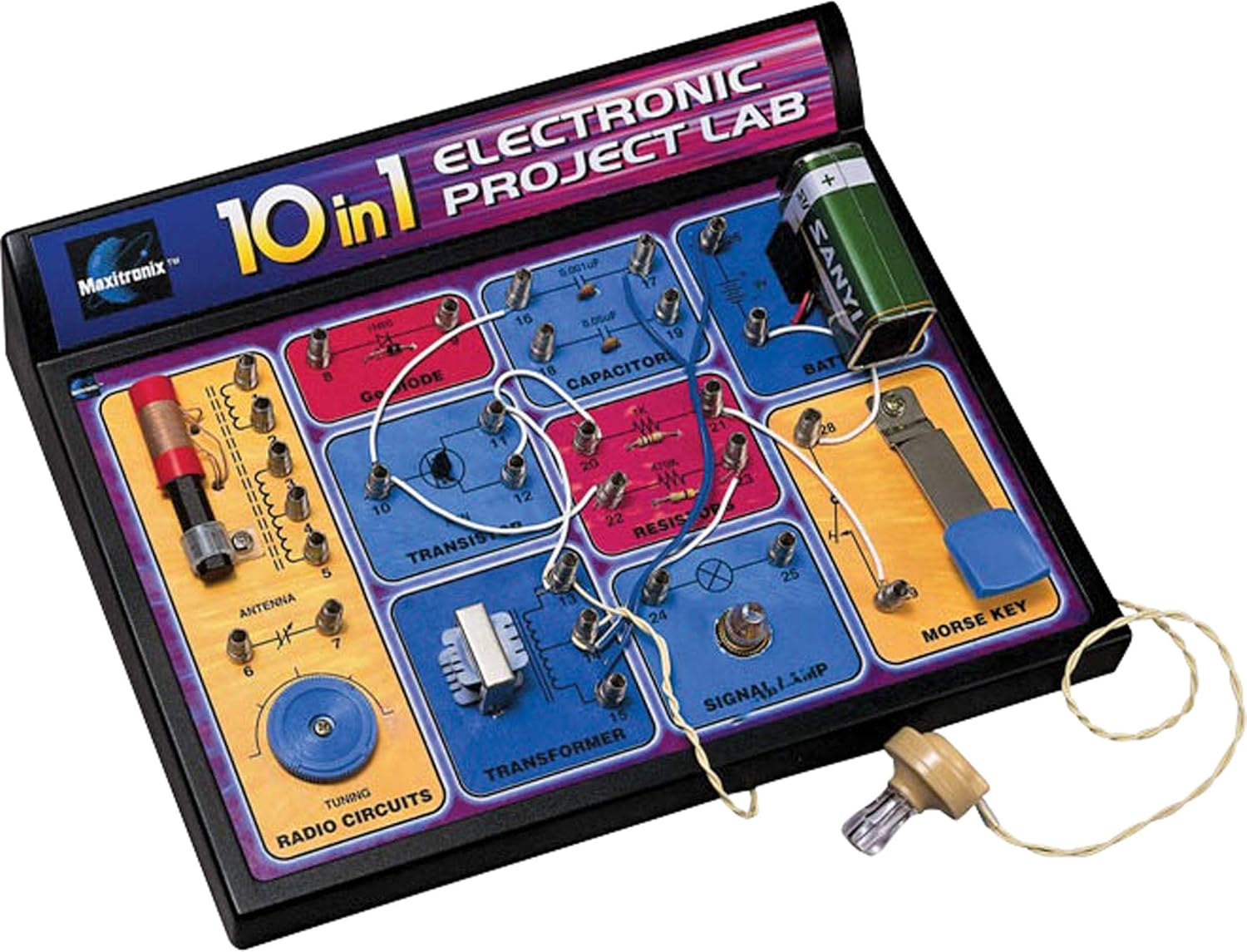
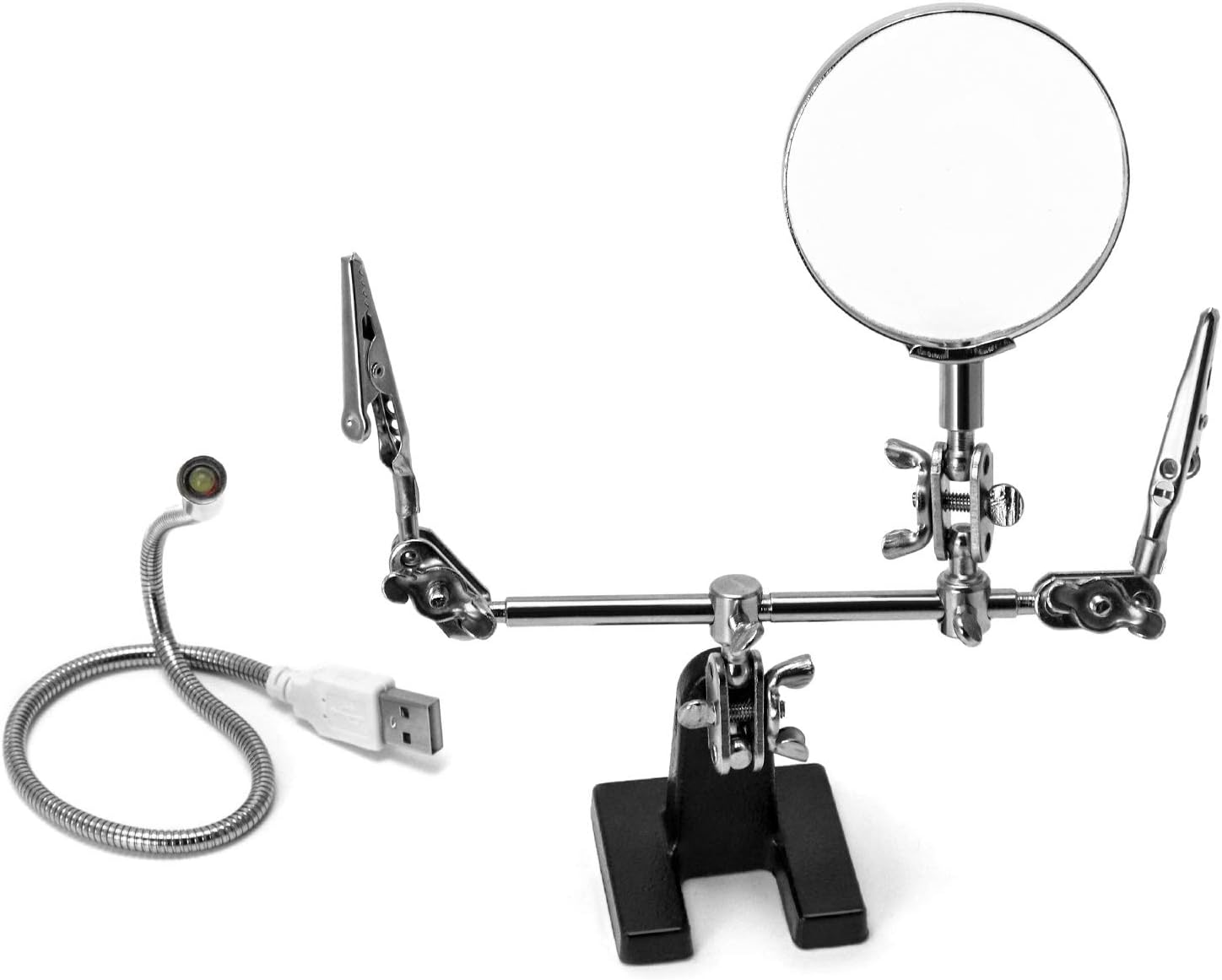
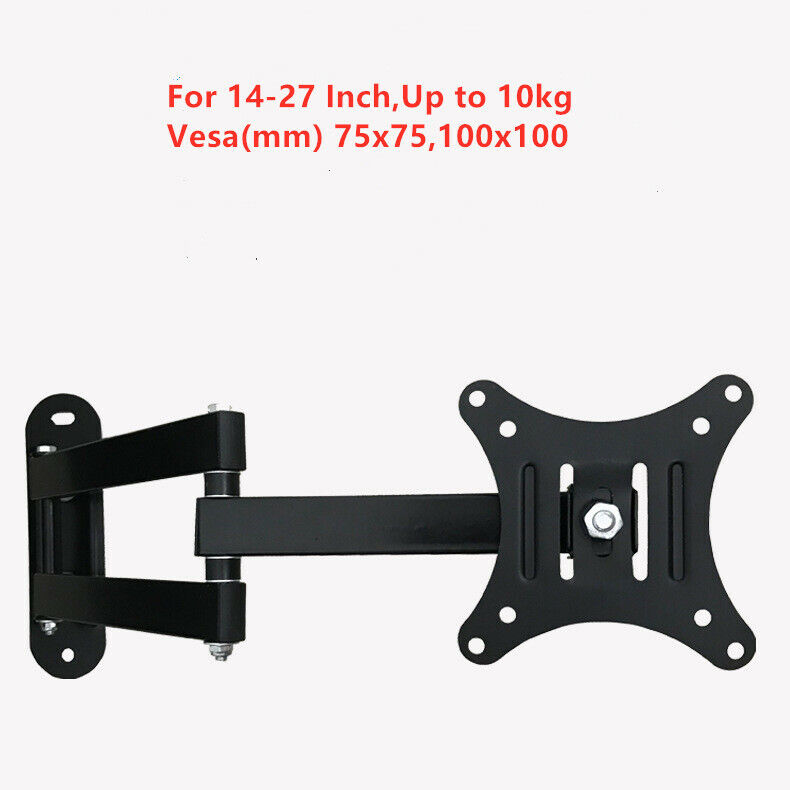
Following is a product I use picked at random from my collection which may appear in my videos. Clicking through on this to find and click on the green affiliate links before purchasing from eBay or AliExpress is a great way to support the channel at no cost to you. Thanks!
This video is part of the New Book feature of my video blog.
In this video I review the venerable The Art of Electronics 3rd Edition by Paul Horowitz by Winfield Hill published in 2015. This monstrous tome includes some 1,220 pages.
This is a long video, because this is a long book!
While I was writing up these notes for the video I found a wealth of fun stuff. Here are a few links:
Thanks very much for watching! And please remember to hit like and subscribe!
Following is a product I use picked at random from my collection which may appear in my videos. Clicking through on this to find and click on the green affiliate links before purchasing from eBay or AliExpress is a great way to support the channel at no cost to you. Thanks!
The context object unifies the handling of all system-global information and eliminates the need for pass-through variables. If a new variable needs to be added, it can be added to the context object; no existing code is affected except for the constructor and destructor for the context. The context makes it easy to identify and manage the global state of the system, since it is all stored in one place. The context is also convenient for testing: test code can change the global configuration of the application by modifying fields in the context. It would be much more difficult to implement such changes if the system used pass-through variables.
Contexts are far from an ideal solution. The variables stored in a context have most of the disadvantages of global variables; for example, it may not be obvious why a particular variable is present, or where it is used. Without discipline, a context can turn into a huge grab-bag of data that creates nonobvious dependencies throughout the system. Contexts may also create thread-safety issues; the best way to avoid problems is for variables in a context to be immutable. Unfortunately, I haven’t found a better solution than contexts.
Okay, so I’m just gonna step way out of line over here and suggest something heretical… but shouldn’t you just use global variables? You only introduced the context object so you could tweak it in unit tests, and you could just change your tests so that each one ran in a new process. Just sayin’.
…I suppose for the sake of completeness I should add a little more from Ousterhout which he said prior to the above:
Another approach is to store the information in a global variable, as in Figure 7.2(c). This avoids the need to pass the information from method to method, but global variables almost always create other problems. For example, global variables make it impossible to create two independent instances of the same system in the same process, since accesses to the global variables will conflict. It may seem unlikely that you would need multiple instances in production, but they are often useful in testing.
…so he is bending over backward to support multiple tests in one process, but he could just run each test in its own process and his problem evaporates.

This video is part of the Old Book feature of my video blog.
In this video we take a quick look at Vest Pocket Guide To Electrical Testing And Troubleshooting by John E. Traister published in 1987 with 130 pages.
In the video I also wish everyone a happy new year, talk a little about upcoming Xin1 projects, and mention how expensive it will be to upgrade my scope to 350 MHz.
And if you’re interested the Wikipedia page for Logic Analyzer says that the first commercially available instrument to be called a “Logic Analyzer” was the HP 5000A Logic Analyzer, introduced in October 1973.
Thanks very much for watching! And please remember to hit like and subscribe!
Following is a product I use picked at random from my collection which may appear in my videos. Clicking through on this to find and click on the green affiliate links before purchasing from eBay or AliExpress is a great way to support the channel at no cost to you. Thanks!
My good friend Dubz shouted me another round of Silicon Chip books as can be seen here. I now own all the books which have been marked and I’ve pretty much purchased everything that was left.
Ah, it’s good to have friends. My mate dubz went and picked up another 200 odd books from Silicon Chip for me. This brings my total up to around 400 old books.
I’m reading Software Design for Flexibility: How to Avoid Programming Yourself into a Corner which in its Appendix B has a description of the Scheme programming language. Rather hilariously the first line on page 394 is a sentence with unbalanced parentheses. I mean… unbalanced parentheses in the Scheme language description! :)
Thanks very much for watching! And please remember to hit like and subscribe!
Following is a product I use picked at random from my collection which may appear in my videos. Clicking through on this to find and click on the green affiliate links before purchasing from eBay or AliExpress is a great way to support the channel at no cost to you. Thanks!
Old Book: Industrial Electronics Reference Book by Electronics Engineers of the Westinghouse Electric Corporation published 1948 with 680 pages.
Today we teardown a homemade continuity tester which I put together for use before I had a multimeter, so that was in the early days of my new lab, circa August 2021.
While I was preparing the links for this blog post I discovered that the plastic case I used for the continuity tester was the HB5610 Black Hand-held Electronic Enclosure from Jaycar. I purchased one of these for AU$9.95 back in August 2021, which was around the time that I made this continuity tester.
I subsequently purchased a ten pack of similar plastic cases from AliExpress for AU$64.55 (inc shipping) in March 2022. I went to find the AliExpress listing so I could link you to it, but it’s an old listing and has been taken down. I did search for an equivalent product but didn’t find what I was looking for. The dimensions are roughly 70mm x 135mm x 24mm and there is a facility for 2x AA batteries built in.
What I say in the video about active vs passive piezoelectric buzzers is correct. The active buzzer will do the buzzing for you, all you need to do is supply some power. The passive buzzer will need an input signal in addition to power, so some sort of oscillator if you want to generate a tone.
I knocked up a schematic for this continuity tester, something like this:
I’m gonna try getting some PCBs made for this circuit from PCBWay, because I’m still trying to learn everything I can about that process!
Thanks very much for watching! And please remember to hit like and subscribe!
Following is a product I use picked at random from my collection which may appear in my videos. Clicking through on this to find and click on the green affiliate links before purchasing from eBay or AliExpress is a great way to support the channel at no cost to you. Thanks!