Thanks very much for watching! And please remember to hit like and subscribe! :)
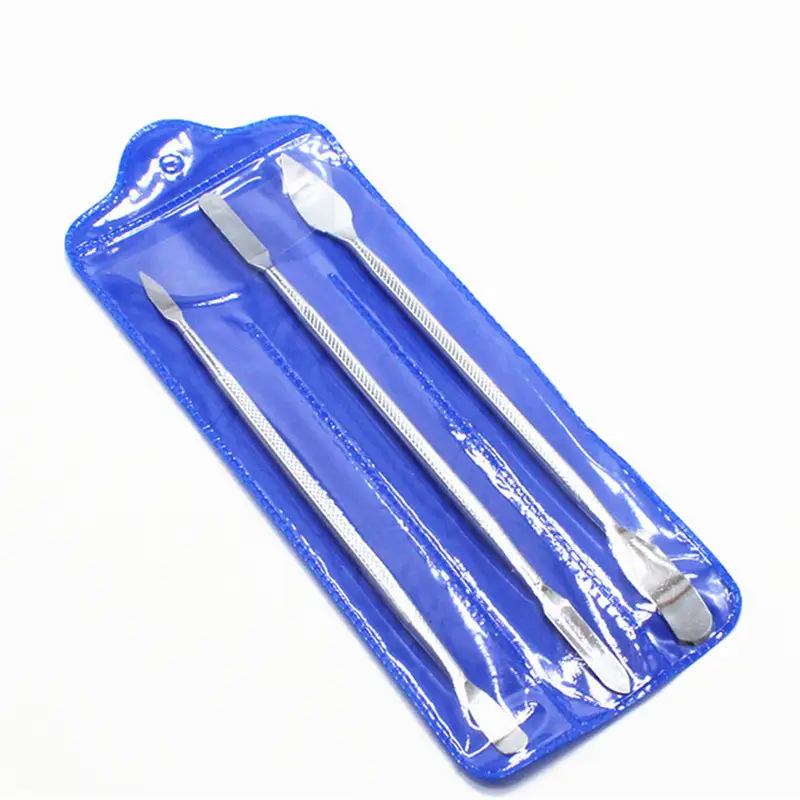
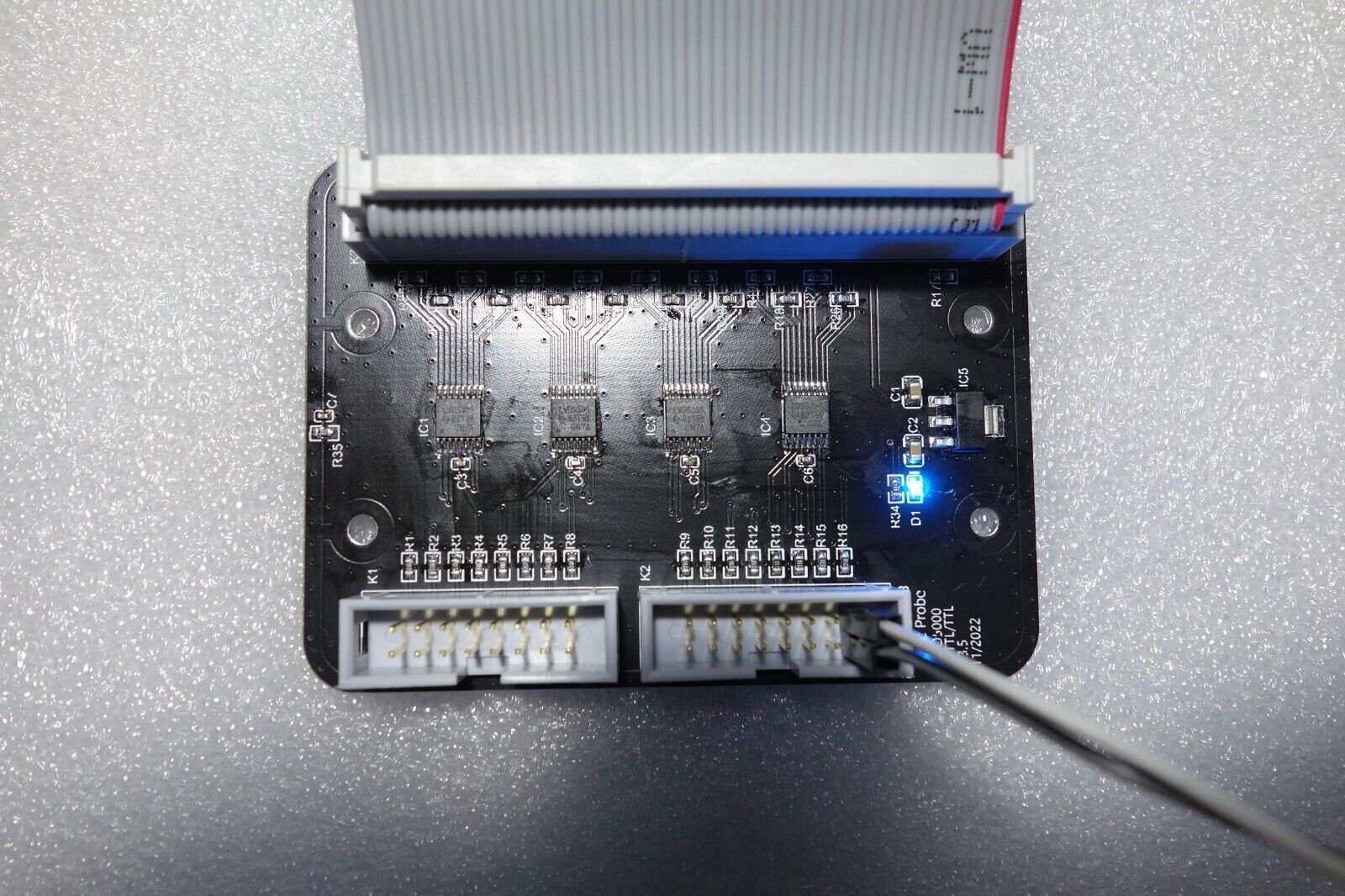
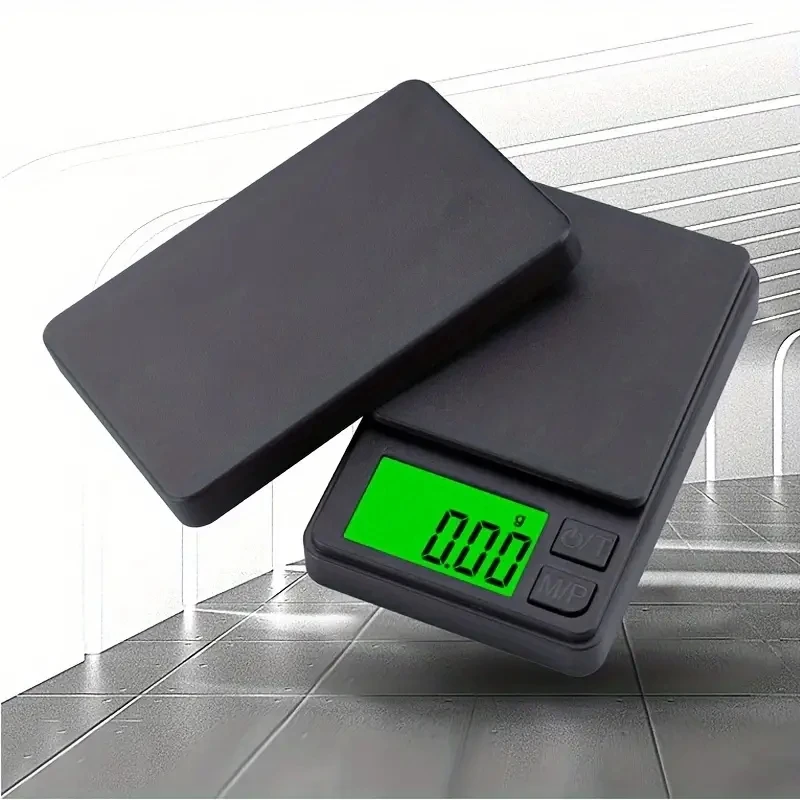
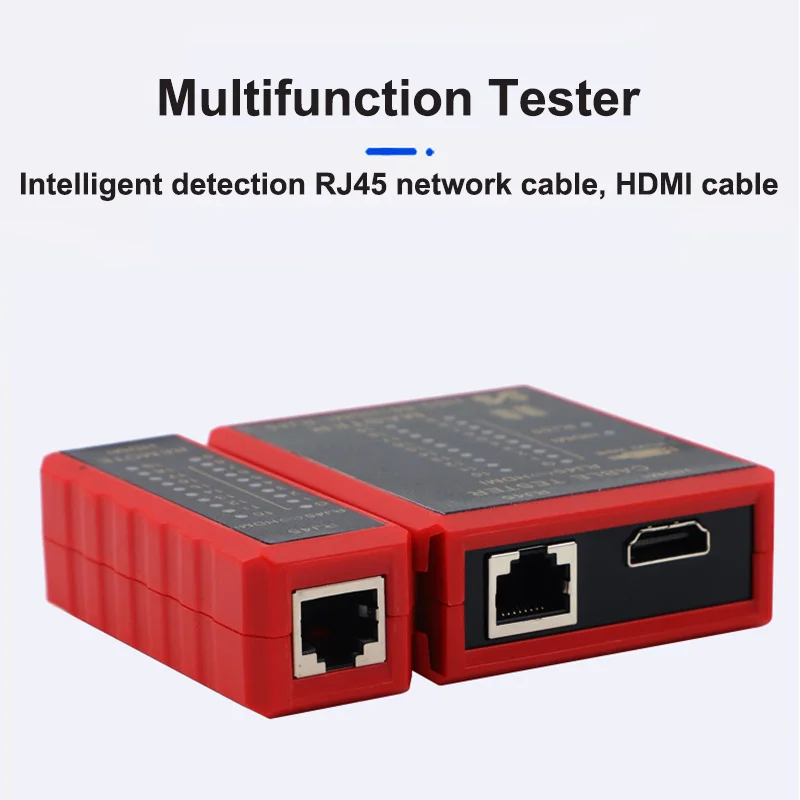
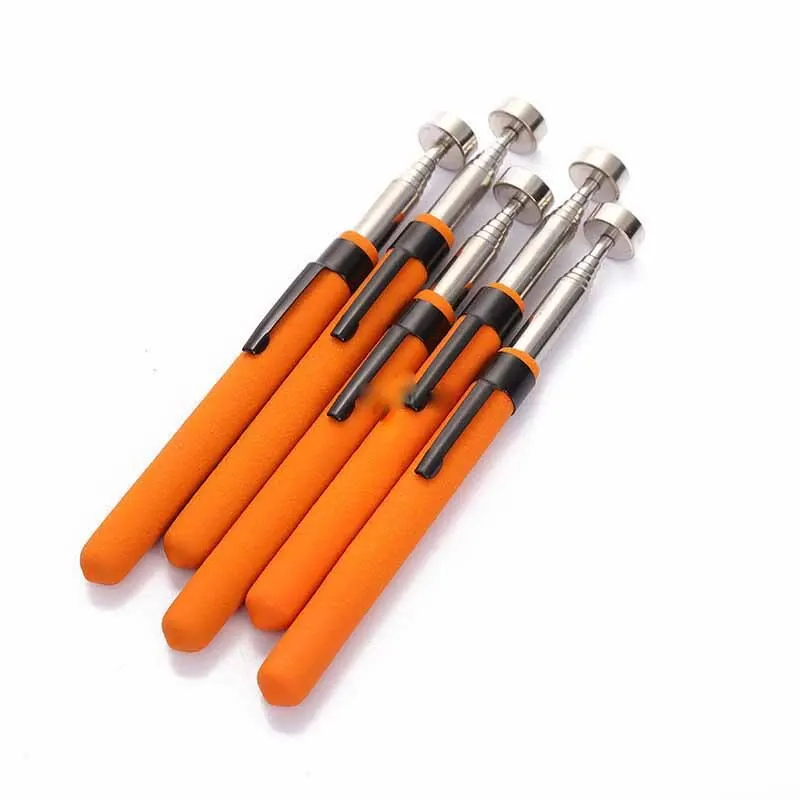
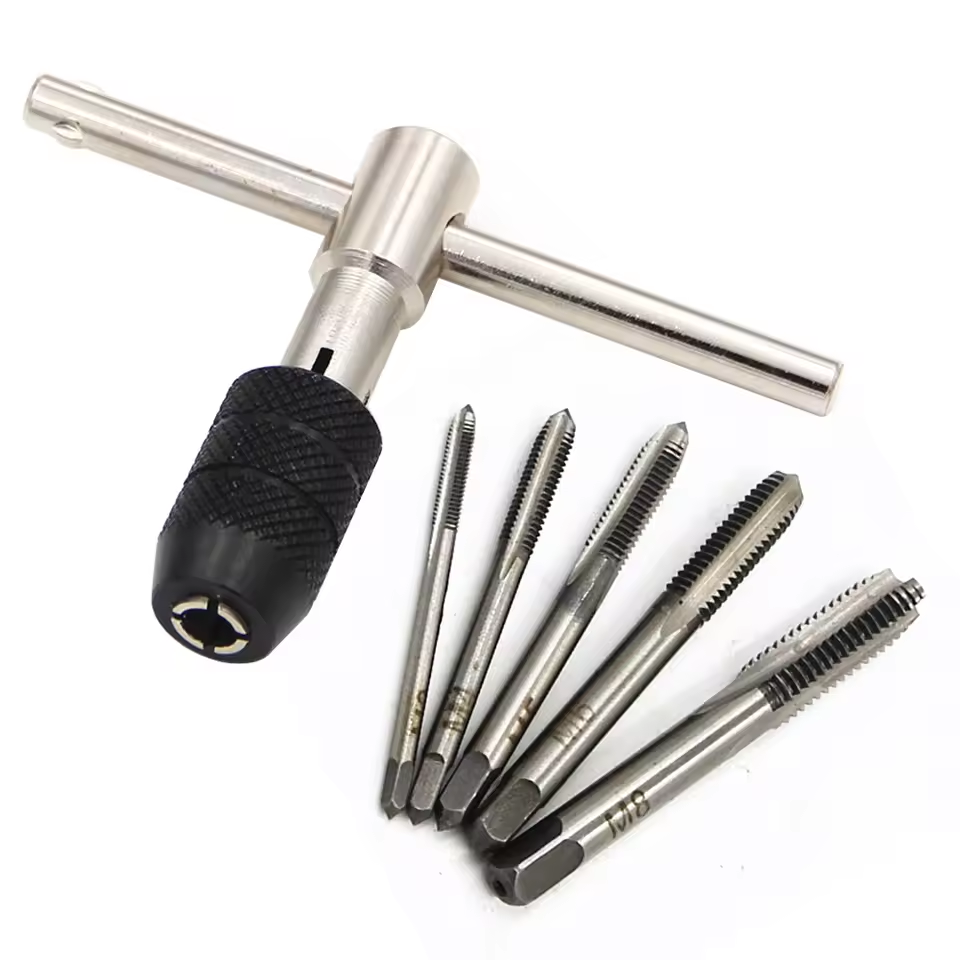
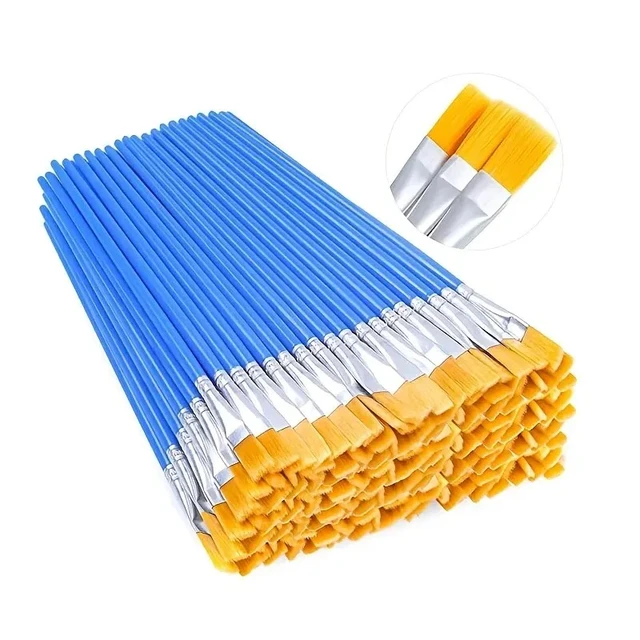
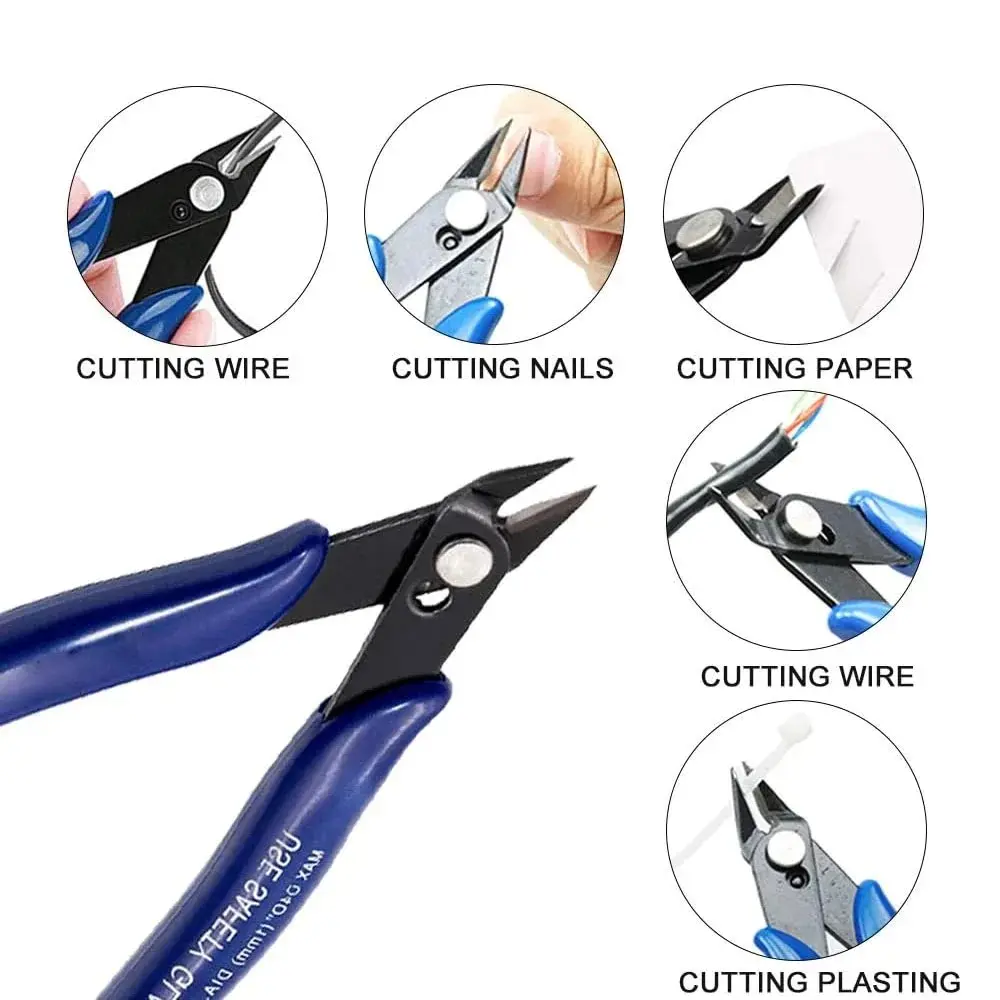
Following is a product I use picked at random from my collection which may appear in my videos. Clicking through on this to find and click on the green affiliate links before purchasing from eBay or AliExpress is a great way to support the channel at no cost to you. Thanks!
Thanks very much for watching! And please remember to hit like and subscribe! :)
Following is a product I use picked at random from my collection which may appear in my videos. Clicking through on this to find and click on the green affiliate links before purchasing from eBay or AliExpress is a great way to support the channel at no cost to you. Thanks!
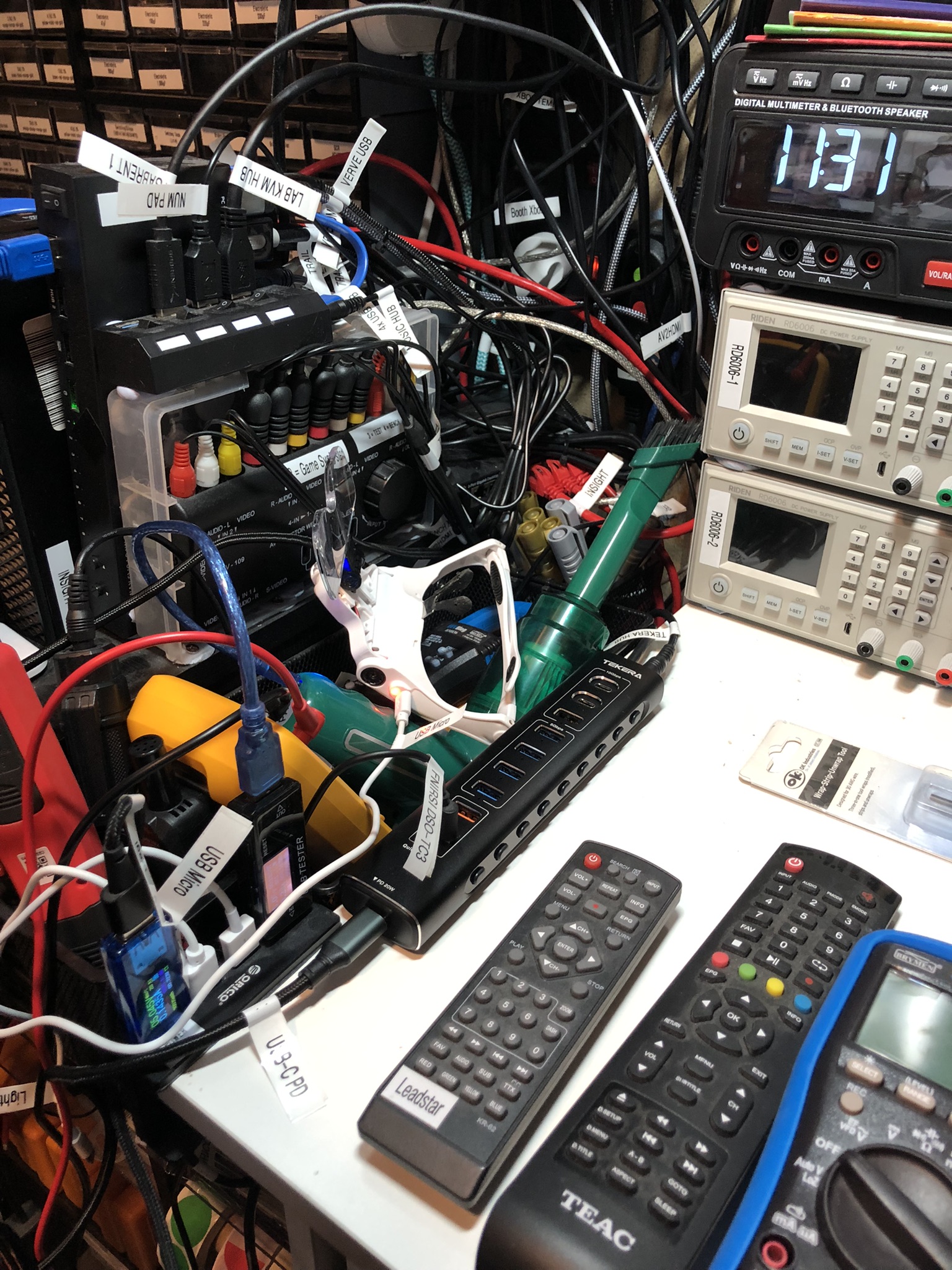
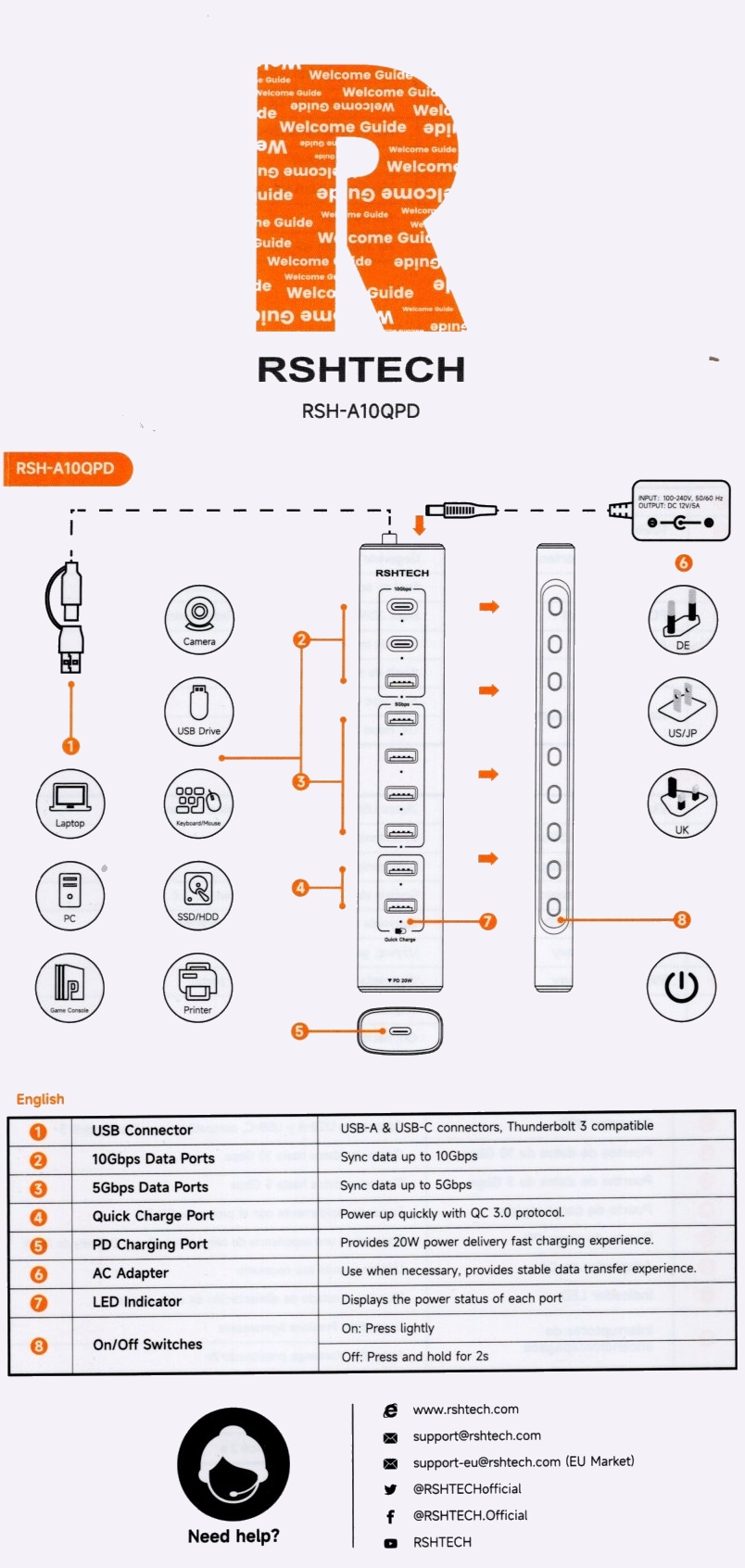
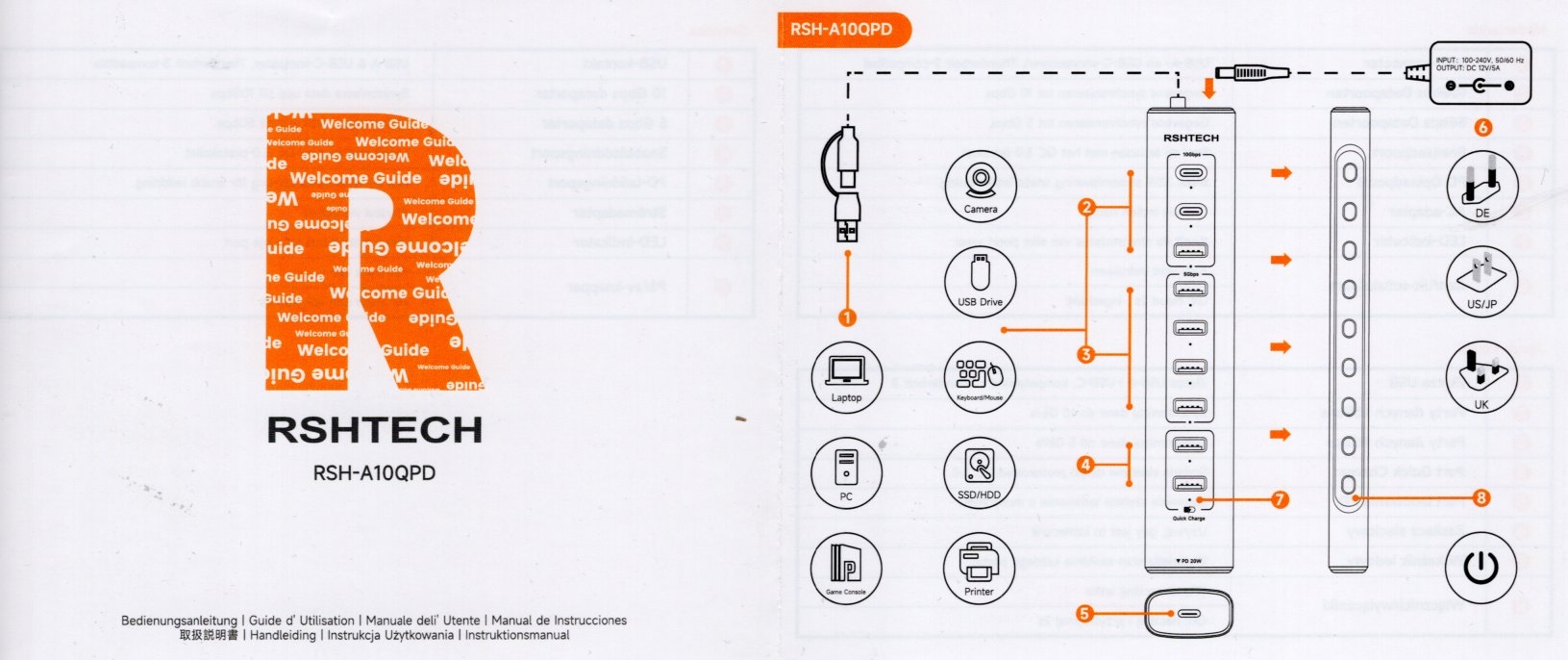
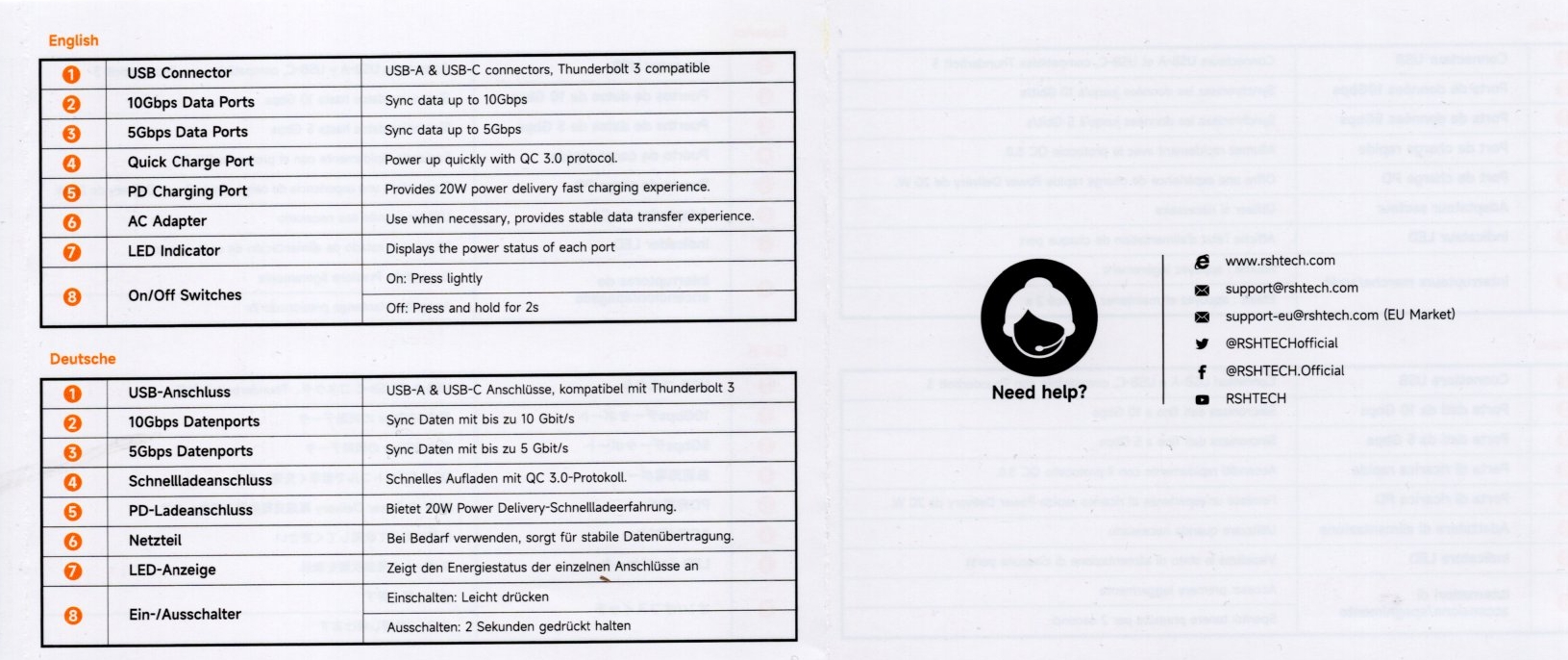
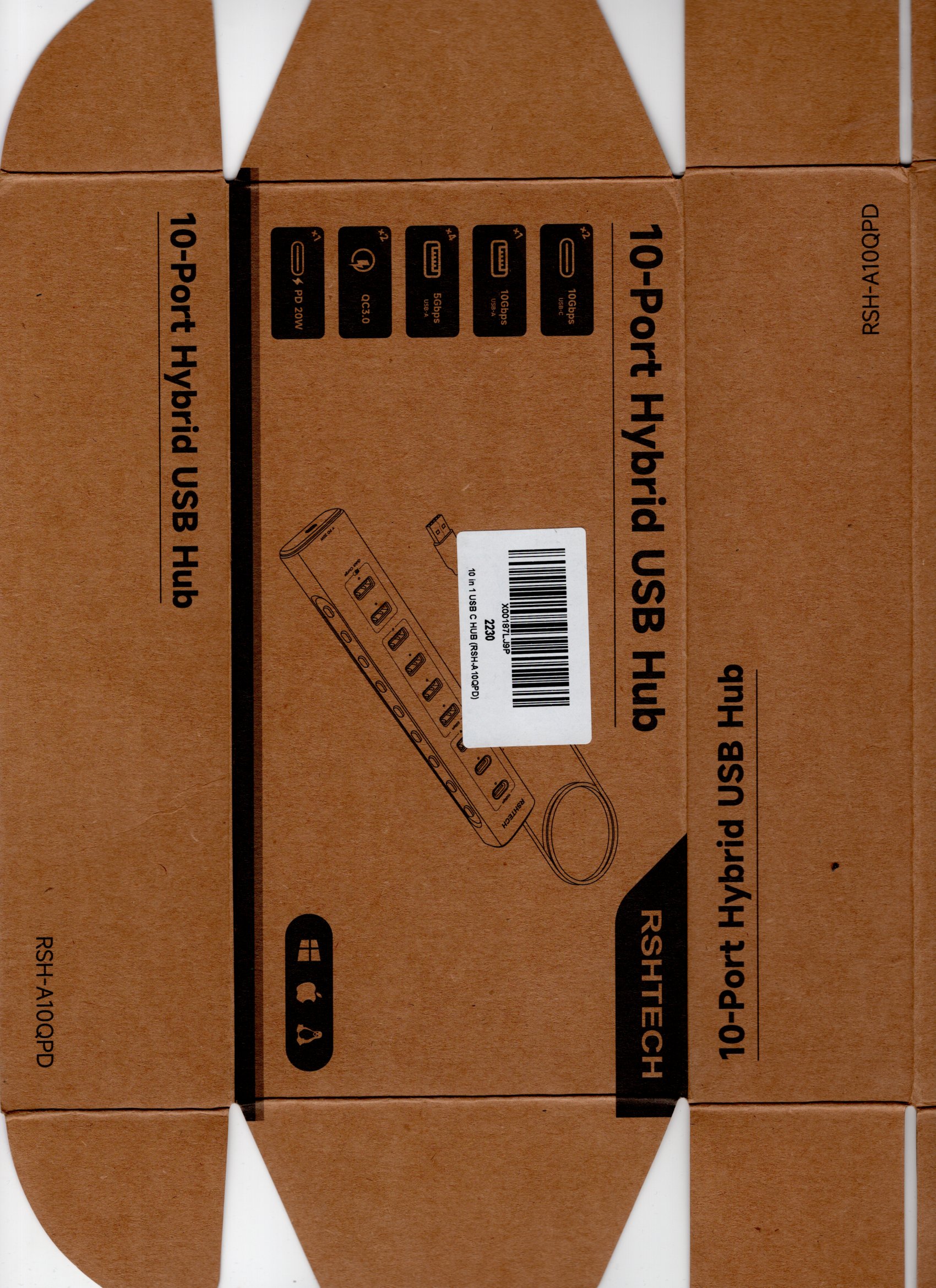
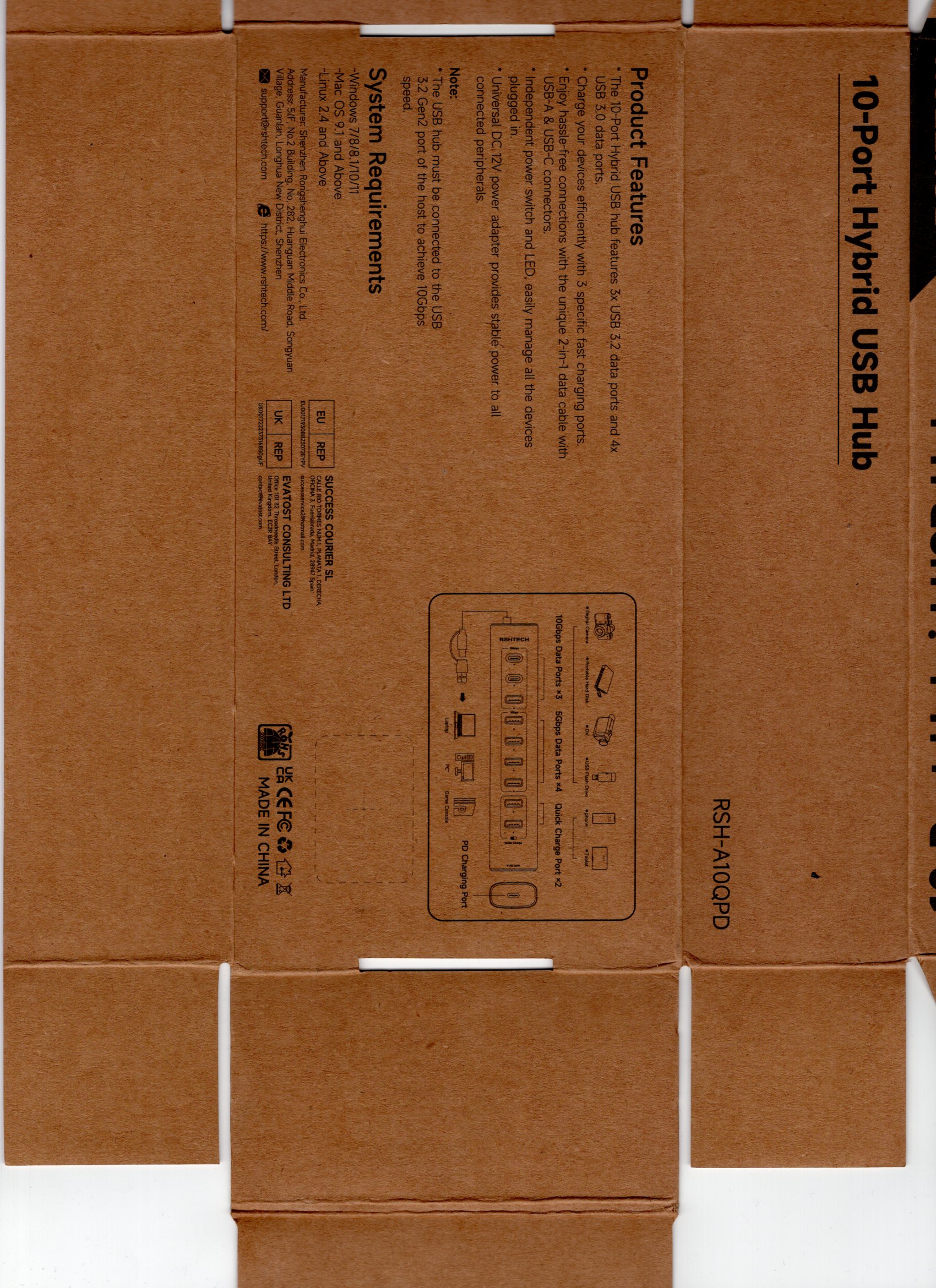
In this video we take a look at what arrived in the mail. Mostly loot from AliExpress but also some USB hubs from Amazon.
In the video I mention Goo Gone. The stuff I use is the Original Goo Gone. It’s really great stuff! I mostly use it for removing sticker goo after I’ve peeled a sticker off something.
In this video I learn about “rivet nuts”. The ones I got are these ones. There’s a video on YouTube that will give you the idea about how these things work and are used.
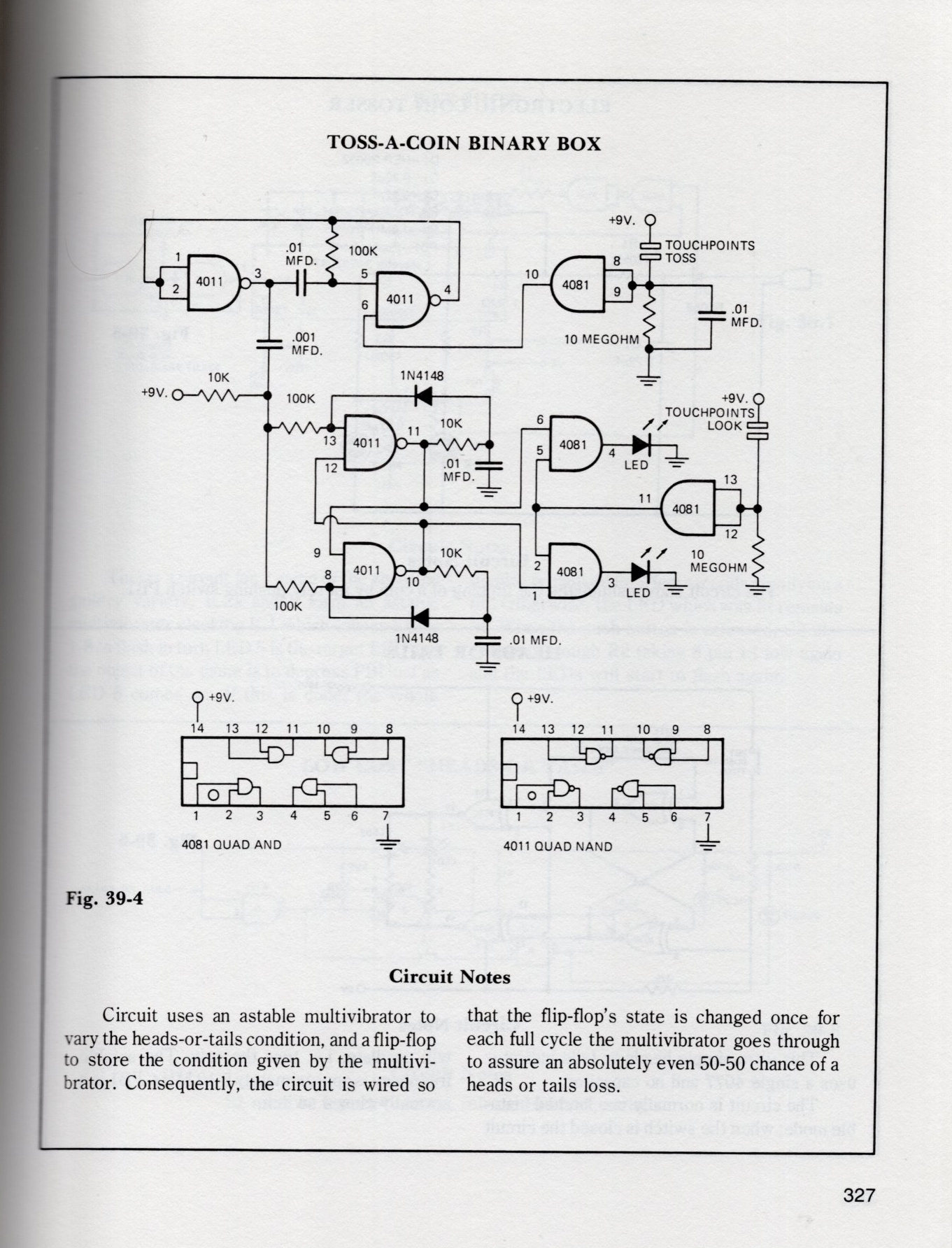
I also mention about the 4017 integrated circuit which is a decade counter used in this project kit.
As promised I scanned the instructions on the cover of my “multitester” which is the analog voltmeter and ammeter I got:
Thanks very much for watching! And please remember to hit like and subscribe! :)
Following is a product I use picked at random from my collection which may appear in my videos. Clicking through on this to find and click on the green affiliate links before purchasing from eBay or AliExpress is a great way to support the channel at no cost to you. Thanks!
Thanks very much for watching! And please remember to hit like and subscribe! :)
Following is a product I use picked at random from my collection which may appear in my videos. Clicking through on this to find and click on the green affiliate links before purchasing from eBay or AliExpress is a great way to support the channel at no cost to you. Thanks!
I mention about the two Logitech BRIOs that I have installed as my “maths cam”. This will enable me to record my maths videos, which I am planning to start soon. I will be working through my old high school mathematics textbooks starting with Signpost 7.
I mentioned my Spivak calculus book, and my Stewart calculus book too, but I can’t seem to find my copy of that at Amazon. If you’re interested in such things check out Calculus by Spivak from Learning as a hobby.
I mention about these bins which I have purchased recently. They are cheap and a good size but my experience is that the material is very brittle and prone to breaking.
Thanks very much for watching! And please remember to hit like and subscribe! :)
Following is a product I use picked at random from my collection which may appear in my videos. Clicking through on this to find and click on the green affiliate links before purchasing from eBay or AliExpress is a great way to support the channel at no cost to you. Thanks!
In this video I make excuses for why you haven’t had a video from me for two weeks. Excuses, excuses.
It is still my ambition to release three videos per week, on Tuesday, Thursday, and Saturday.
As I mention in the video I have been working away on the Learning the Art of Electronics project and making notes for all five of the referenced books but I still have a heap more work to do. Further, I’ve been working through the first edition of Learning the Art of Electronics because my second edition hasn’t arrived yet. So today I bit the bullet and canceled my order of the second edition from Amazon AU (I’ve been waiting since January) and placed a new order with Amazon US so my second edition should now be arriving by May 24, later this week.
I have ordered some bits and pieces for my Logitech BRIO web cam including this stand, so I should be able to start making maths videos on my channel soon. But it will be very basic high school maths. If you want more serious maths I would be happy to recommend my friend who makes advanced maths videos on his channel Learning as a hobby.
Speaking of my mate on the Learning as a hobby channel he recently scored a copy of the CDROM that comes with Principles of Electronic Circuits 2ed and is making preparations to send me a copy (either as an ISO or in the snail mail), so standby for more on that. This is a super exciting development because I had concluded that finding a copy of this CDROM was going to be impossible, but here it is!
The long projects that I’m working on which are presently brewing include:
Silicon Chip and Jaycar Mini Project JMP003
Demo of EEVblog BM2257 multimeter
Old book teardown of Electric Circuits
Project #1 from Maxitronix 30in1
Lab #1 from Learning the Art of Electronics
I have made a start on all of the above but it’s going to take me some time to finish them all. In the mean time I am going to try to get some smaller projects done so that I can hit my target of three videos per week.
And that brings you up to date with news from the channel.
Thanks very much for watching! And please remember to hit like and subscribe! :)
Following is a product I use picked at random from my collection which may appear in my videos. Clicking through on this to find and click on the green affiliate links before purchasing from eBay or AliExpress is a great way to support the channel at no cost to you. Thanks!
I am running late with Lab #1 from Learning the Art of Electronics. That video was meant to come out today, but I’ve pushed it back to next Tuesday so I have time to prepare the notes and record the lab.
See you next Tuesday? :)
Thanks very much for watching! And please remember to hit like and subscribe! :)
Following is a product I use picked at random from my collection which may appear in my videos. Clicking through on this to find and click on the green affiliate links before purchasing from eBay or AliExpress is a great way to support the channel at no cost to you. Thanks!
This video is me making a false start on the Learning the Art of Electronics series which I am just about to embark on. What happened was after I got a bit more than two hours into recording the video for the first lab exercise I realized that it was taking too long with my approach. I didn’t want to make another twelve hour video! I was planning to go through the literature in painstaking detail and cover everything, but it turned out there was way too much material for that approach to be feasible.
What I am planning to do instead for the actual first video (due out next Tuesday) is do all the reading by myself in advance and then offer a brief summary and some recommended reading. I’m going to try to make the bulk of the video the actual practical experiment/circuit and leave the reading out.
But since I recorded the video for this “false start” I figured there’d be no harm in posting it by itself. Most of this video is the Appendix O material from The Art of Electronics 3ed which is a brief introduction to oscilloscopes.
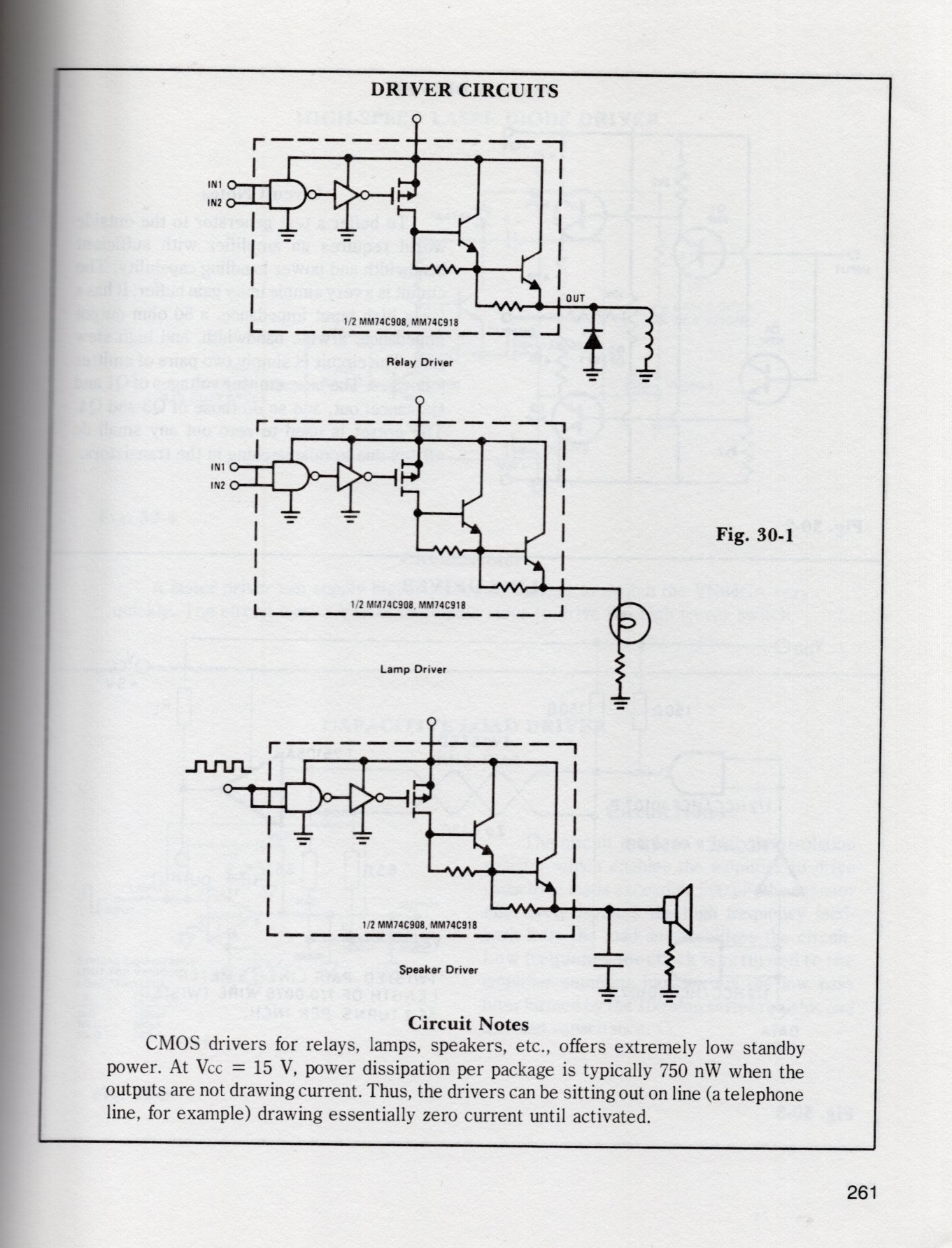
In this video we mention CMOS technology, particularly MOSFETs.
We mention the Josephson effect which can cause a current to flow across superconductors in the absence of an applied voltage.
If you’re planning to follow along with the series the pre-reading for the first video coming out on Tuesday is: E&M ch. 1, 2; PoEC ch. 1; AoE app. A, ch. 1; LtAoE ch. 1N, 1L.
Thanks very much for watching! And please remember to hit like and subscribe! :)
Following is a product I use picked at random from my collection which may appear in my videos. Clicking through on this to find and click on the green affiliate links before purchasing from eBay or AliExpress is a great way to support the channel at no cost to you. Thanks!
You read that right. We made one of these before and I liked it so much that we are making one again! I get better at it this time round, I don’t make any of the mistakes I did last time.
The microcontroller in this clock is the STC15W404AS. It comes in the kit pre-programmed and I’ve not been able to find the software anywhere. Bummer. If you know where to get the software please do let me know!
The temperature controlled resistor is a 10K NTC thermistor which seems to be used for the room temperature function (which I don’t use and didn’t calibrate).
We use the Hakko CHP 3C-SA Precision Tweezers to hold our solder and poke about. At one point I drop a component lead offcut into the board and it shorted two resistors, so lucky I found it and pulled it out!
And that’s everything to know about this project!
Here’s a photo of the completed project installed next to the symbol keyboard on my desk:
Thanks very much for watching! And please remember to hit like and subscribe! :)
Following is a product I use picked at random from my collection which may appear in my videos. Clicking through on this to find and click on the green affiliate links before purchasing from eBay or AliExpress is a great way to support the channel at no cost to you. Thanks!
Thanks very much for watching! And please remember to hit like and subscribe! :)
Following is a product I use picked at random from my collection which may appear in my videos. Clicking through on this to find and click on the green affiliate links before purchasing from eBay or AliExpress is a great way to support the channel at no cost to you. Thanks!