道.
The Tao of Programming
Reply

道.
A little nostalgia: The UNIX Time-Sharing System.
There’s a great article over on Wikipedia about the History of programming languages.
There’s some good info about common config options over here: Where Is php.ini, the PHP Configuration File?
The phpinfo() function will tell you which php.ini file applies.
Stolen from here:
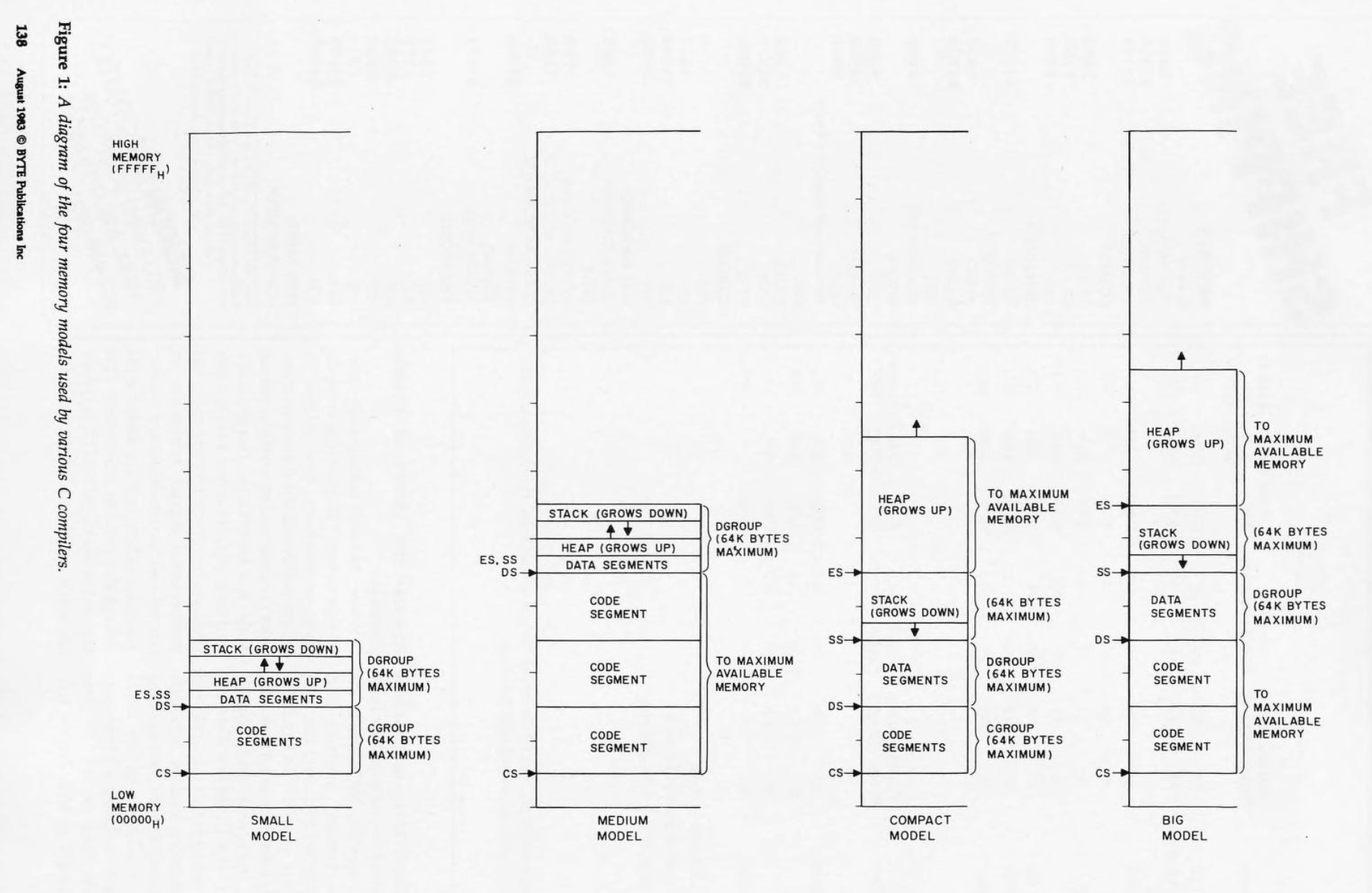
I found the names of the standard icons over here: Icon Naming Specification.
Found some good info concerning the ATtiny85. The ATtiny85 is an 8-bit RISC based microcontroller I’m interested in.
I’m in the middle of reading Programming as Theory Building (which was referenced from here) but I’m weary so off to bed. Will finish reading tomorrow. Hopefully.
I like the look of the elixir documentation. I think having the full table of contents on the right hand side is a nice touch. You don’t often see that…
This article makes a compelling case for Rust: Why the developers who use Rust love it so much.
Also there’s a good write up about Rust features over here: Understanding Rust futures by going way too deep .