Thanks very much for watching! And please remember to hit like and subscribe! :)
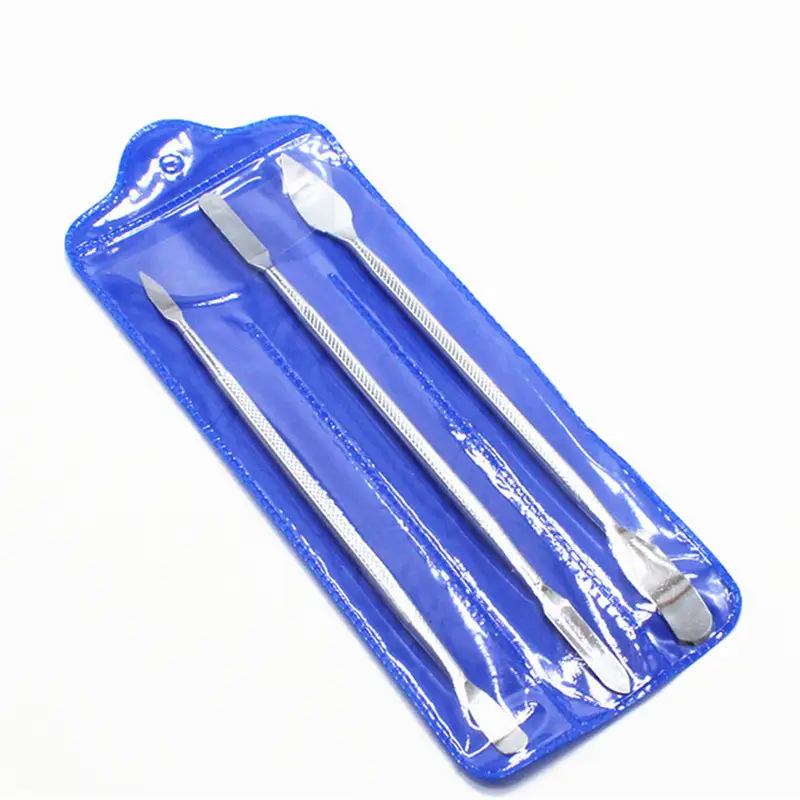
Following is a product I use picked at random from my collection which may appear in my videos. Clicking through on this to find and click on the green affiliate links before purchasing from eBay or AliExpress is a great way to support the channel at no cost to you. Thanks!
Thanks very much for watching! And please remember to hit like and subscribe! :)
Following is a product I use picked at random from my collection which may appear in my videos. Clicking through on this to find and click on the green affiliate links before purchasing from eBay or AliExpress is a great way to support the channel at no cost to you. Thanks!
Thanks very much for watching! And please remember to hit like and subscribe! :)
Following is a product I use picked at random from my collection which may appear in my videos. Clicking through on this to find and click on the green affiliate links before purchasing from eBay or AliExpress is a great way to support the channel at no cost to you. Thanks!
We noted while going through the book that πP is short for “microprocessor”, or, essentially what we’d just call a CPU these days.
Thanks very much for watching! And please remember to hit like and subscribe! :)
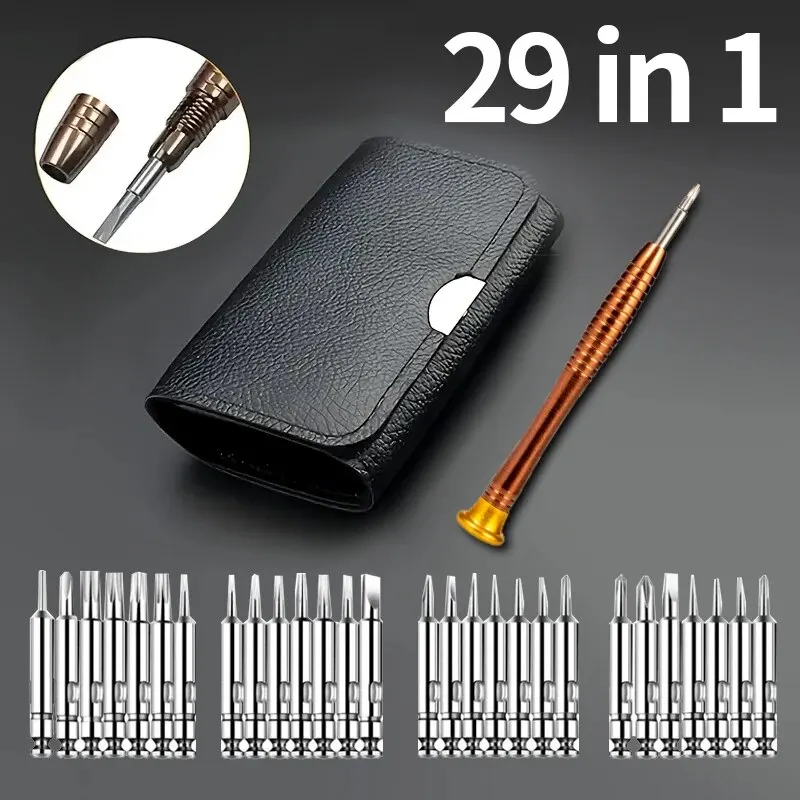
Following is a product I use picked at random from my collection which may appear in my videos. Clicking through on this to find and click on the green affiliate links before purchasing from eBay or AliExpress is a great way to support the channel at no cost to you. Thanks!
RIAA is Recording Industry Association of America.
RIAA equalization is a specification for the recording and playback of phonograph records, established by the Recording Industry Association of America (RIAA).
For voltage signals you usually want high input impedance and low output impedance.
LVDT is a Linear Variable Differential Transformer.
NAB is North American Broadcasters. They defined phonograph standards similar to the RIAA’s.
Thanks very much for watching! And please remember to hit like and subscribe! :)
Following is a product I use picked at random from my collection which may appear in my videos. Clicking through on this to find and click on the green affiliate links before purchasing from eBay or AliExpress is a great way to support the channel at no cost to you. Thanks!
SCS = Silicon-Controlled Switch: an SCS (Silicon-Controlled Switch) is a four-layer thyristor device — basically an SCR with an extra gate — that gives you extra control (including a way to force it off). It’s a member of the thyristor family used for controlled switching in low-power applications.
Compander = compressor + expander. It’s a system (or device) that compresses the dynamic range of a signal before transmission or storage and then expands it back to (approximately) the original dynamic range at the receiver/playback end.
The NE570 / NE571 (and SA571) are dual compandor ICs: each chip contains two identical compressor/expander “kits” (full-wave rectifier → temperature-compensated variable-gain cell → op-amp + trim) used for dynamic range control and noise-reduction in audio/communications systems. They’re widely used as companders, VCAs, limiters/noise-gates and as the compressor/expander around BBD delay lines to reduce hiss.
β (beta) — also written hFE or hfe on datasheets — is the transistor’s current gain. For a bipolar junction transistor (BJT) it’s the ratio of collector current to base current: β = IC / IB.
Q (quality) factor: measures how selective or sharp a resonant system is. High Q → narrow bandwidth, slow damping (lots of ringing). Low Q → wide bandwidth, heavy damping (quickly dies out).
The 5558 IC is a dual op-amp in the 1458/1558 family (often labelled LM1558 / MC1558 / 5558 depending on maker). These are general-purpose, internally-compensated dual operational amplifiers (audio, filters, integrators, buffers).
We encountered Chebyshev filters which are analog or digital filters that have a steeper roll-off than Butterworth filters, and have either passband ripple (type I) or stopband ripple (type II).
UJT = Unijunction Transistor, a three-terminal semiconductor device (Emitter E, Base1 B1, Base2 B2) with a single PN junction and an internal resistive path between B2 and B1. It’s widely used as a simple relaxation-oscillator/timing/trigger device because it shows a controlled negative-resistance region when the emitter is driven above a threshold.
PUT = Programmable Unijunction Transistor; a PUT is a three-terminal semiconductor device (Anode, Cathode, Gate) that behaves like a unijunction transistor but whose trigger (peak) point is set externally by resistors — i.e. it’s programmable. It’s essentially a four-layer PNPN device (closely related to SCRs in internal construction) with the gate used to set the firing threshold.
A squib is a small explosive which can be used as a detonator.
A “TR circuit” can mean variously:
a T/R (transmit–receive) switch used in RF systems
a transformer-rectifier (TR or TRU) — a transformer plus rectifier used for AC→DC power
Tr often used as an abbreviation for rise time (tᵣ) when discussing pulse/transient performance
SSB = Single-SideBand — a form of amplitude modulation where the carrier and one of the sidebands are removed so only one sideband (upper or lower) is transmitted.
The 2N4871 is a classic silicon PN unijunction transistor (UJT) used for timing/oscillator and trigger circuits.
RTD = Resistance Temperature Detector, a temperature sensor that measures temperature by sensing the electrical resistance of a metal element, which changes predictably with temperature. RTD stands for Resistance Temperature Detector.
Thanks very much for watching! And please remember to hit like and subscribe! :)
Following is a product I use picked at random from my collection which may appear in my videos. Clicking through on this to find and click on the green affiliate links before purchasing from eBay or AliExpress is a great way to support the channel at no cost to you. Thanks!
The pages which have circuits I thought were interesting and will consider building are: 358, 415, 420, 520, and 597.
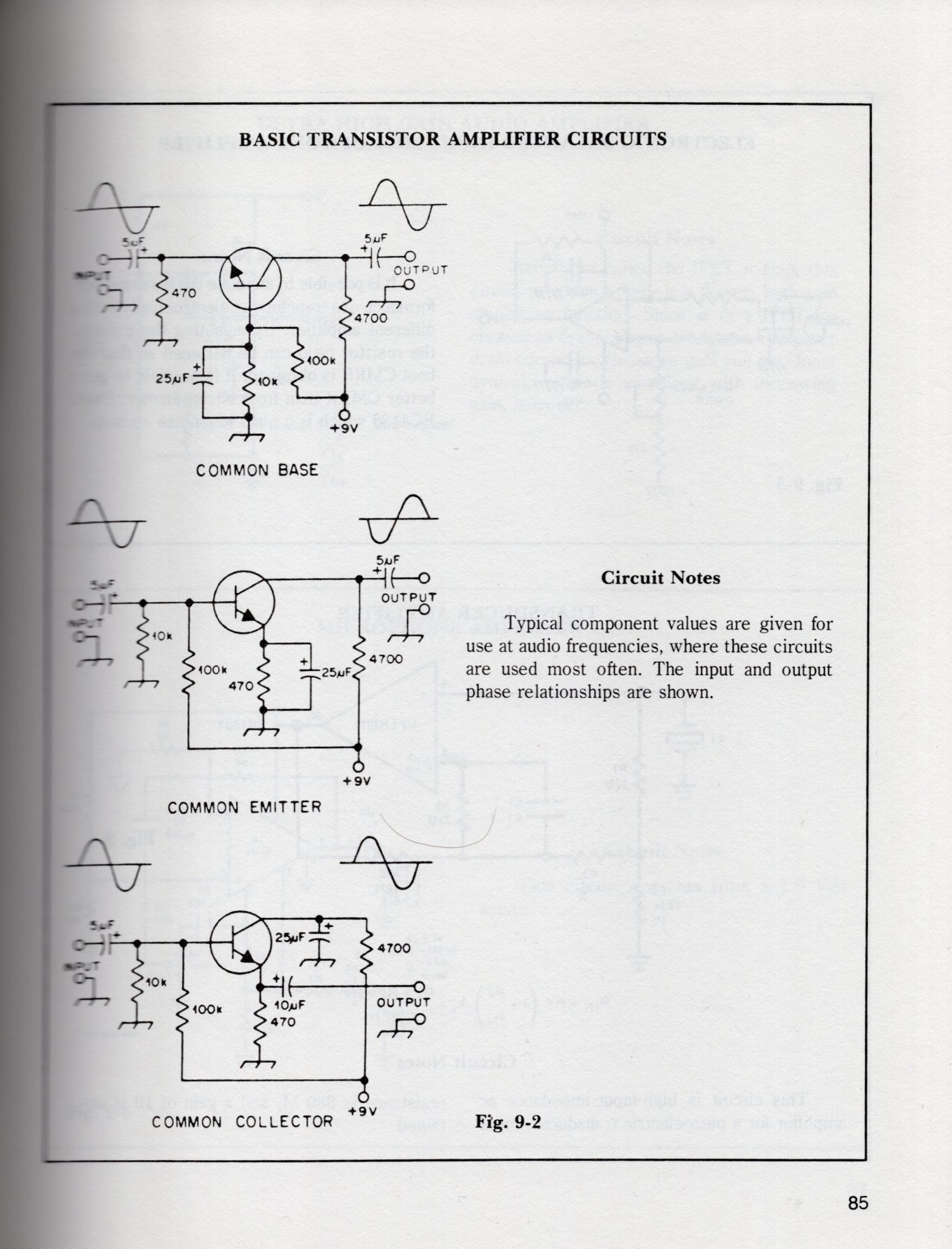
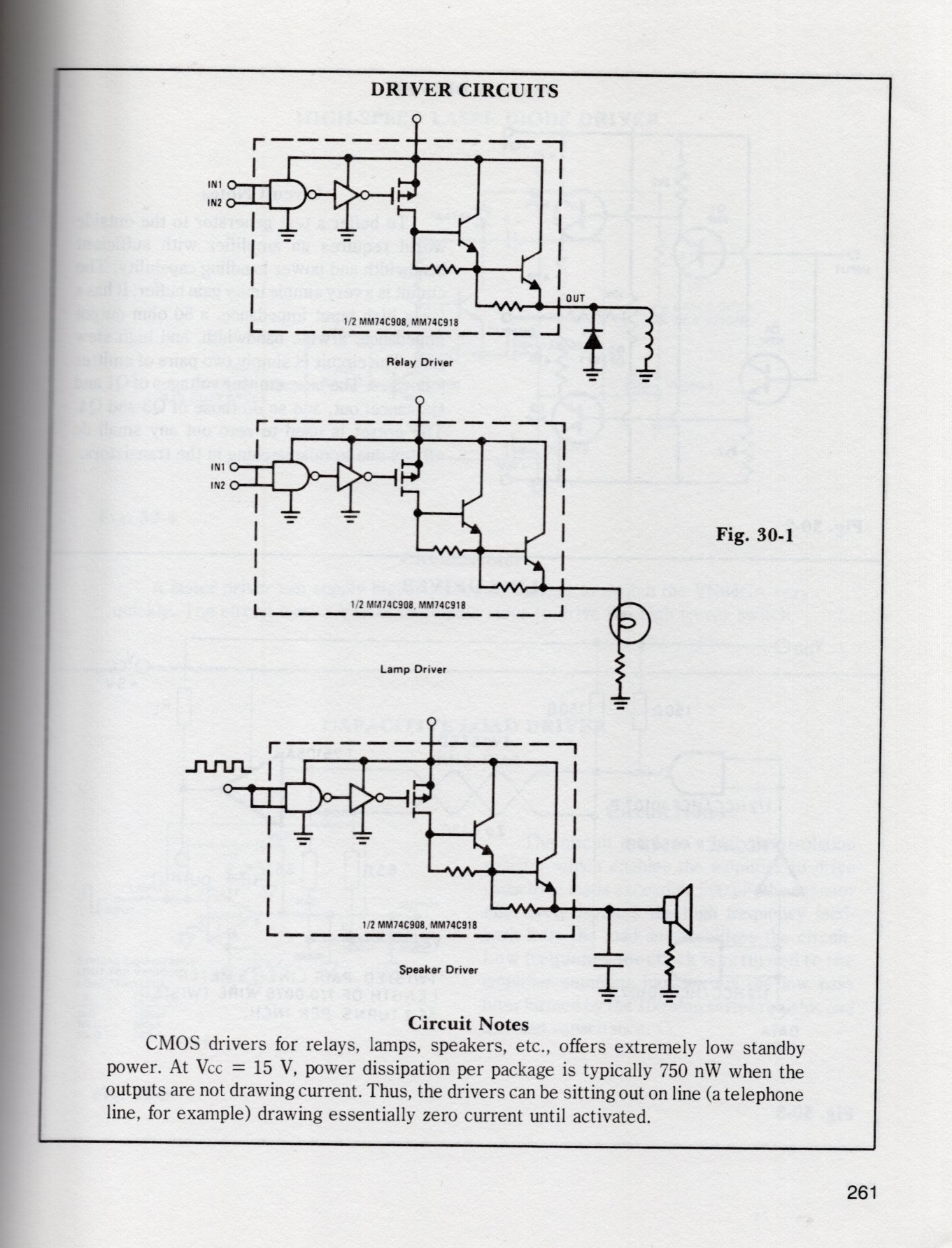
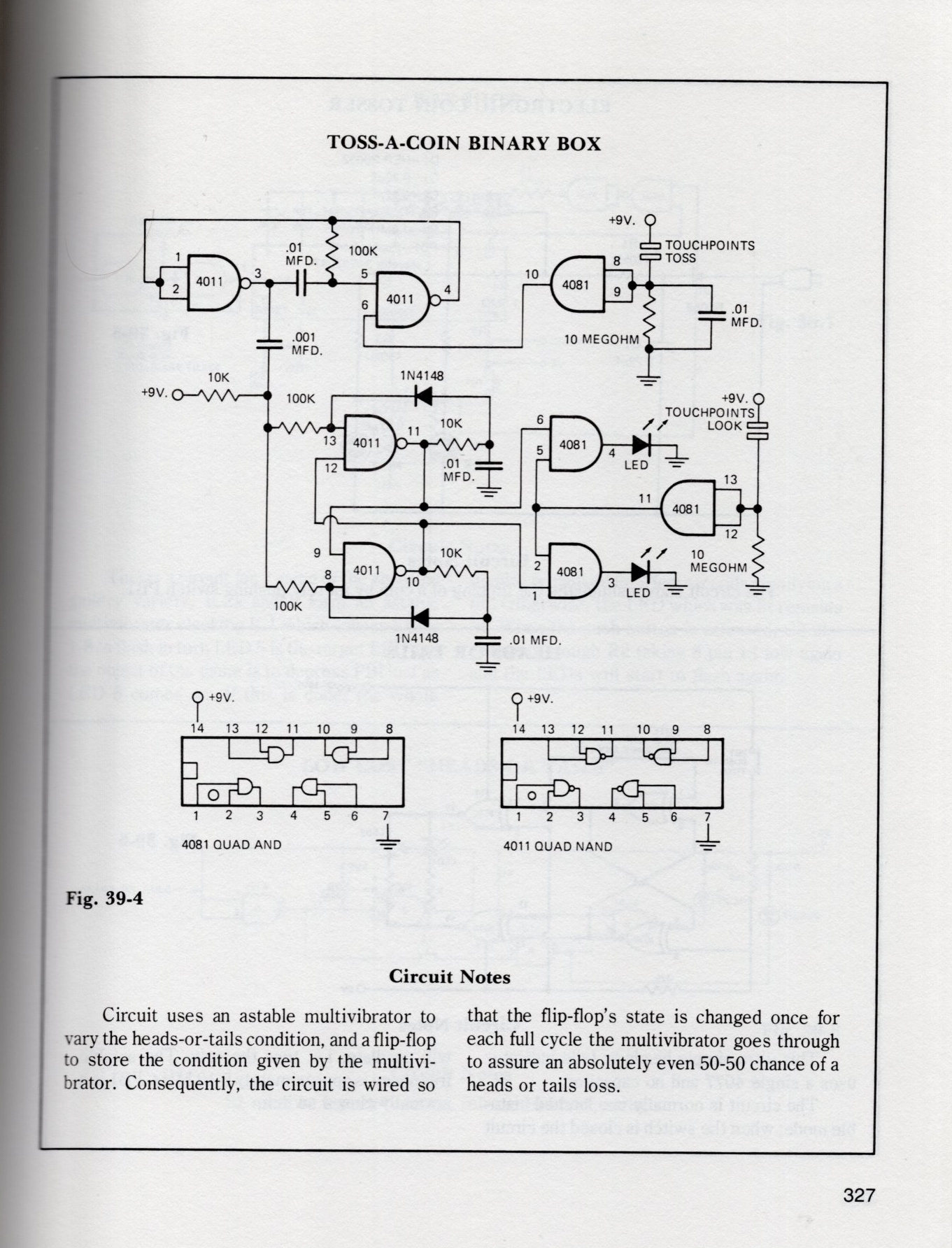
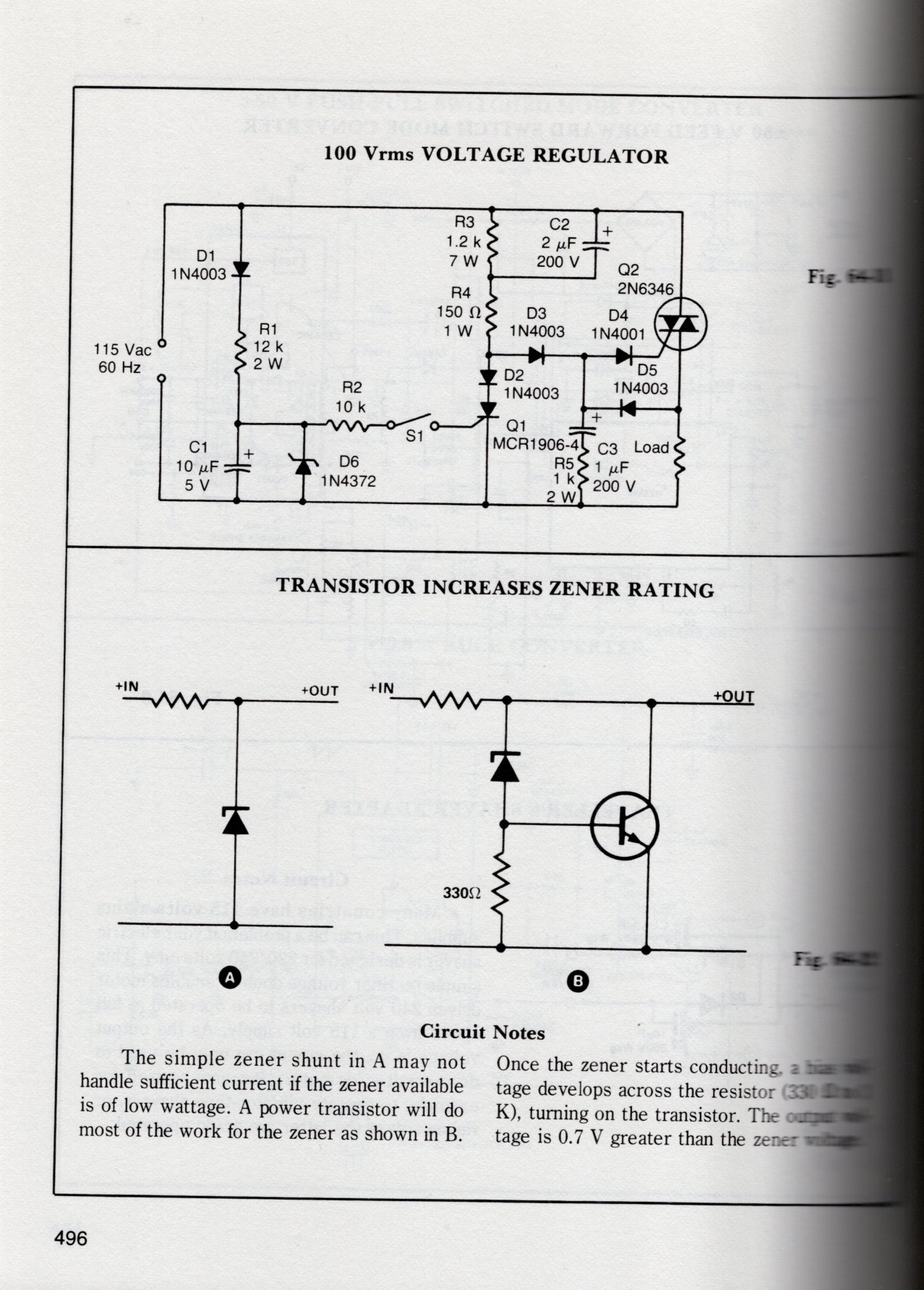
Here are the pages I scanned while working through the book:
Thanks very much for watching! And please remember to hit like and subscribe! :)
Following is a product I use picked at random from my collection which may appear in my videos. Clicking through on this to find and click on the green affiliate links before purchasing from eBay or AliExpress is a great way to support the channel at no cost to you. Thanks!

 notes
notes