Things to read to learn about FPGA programming:
- Designing Video Game Hardware in Verilog (recommended by @indigo)

Things to read to learn about FPGA programming:
I’m learning more about FPGAs. Haven’t actually purchased one to play with yet though.
Today on IRC the BeagleV-Fire was brought to my attention. This computer system sports an FPGA and looks like just the thing to get as an entry-level system to learn about FPGA tech. These things seem to be hard to find at the moment but apparently they sell for around US$150 which is quite affordable for an entry-level system. And the manufacturer’s commitment to open hardware is encouraging. Click-through on the link to find a heap of developer resources.
Over on An Absolute Beginners Guide To Designing PCBs using Easy EDA – Make PCB From A Schematic I learned about How to Share Projects in PCBWay Community. Seems like a good service to me, haven’t used it yet but do intend to check it out.
This post is part of my video blog and you can find more information about this video on this show’s homepage which is here.
You can support this channel on Patreon: patreon.com/JohnElliotV
Silly Job Title: Hack In Residence
Today: another unboxing video! This time we’re taking a look at the Sudake SDK07 and SKD08 IC clips / SMD grippers / test probes.
Originally I was going to demo these things in this video too, but the test circuit took like two hours to make, and then when I turned it on it didn’t even work, so I cancelled that and now this is just an unboxing video and not a demo. Stay tuned for the demo which I will do, just when I can find some more time.
These test clips are really great, they let you attach a probe to the foot of an integrated circuit or a surface mount device.
Be warned: there’s a bit of swearing and bad language in this video. What can I say? I’m just a passionate individual, ya know? :P
Thanks very much for watching! And please remember to hit like and subscribe!
Following is a product I use picked at random from my collection which may appear in my videos. Clicking through on this to find and click on the green affiliate links before purchasing from eBay or AliExpress is a great way to support the channel at no cost to you. Thanks!
Yum Cha 100pcs Releasable Cable Organizer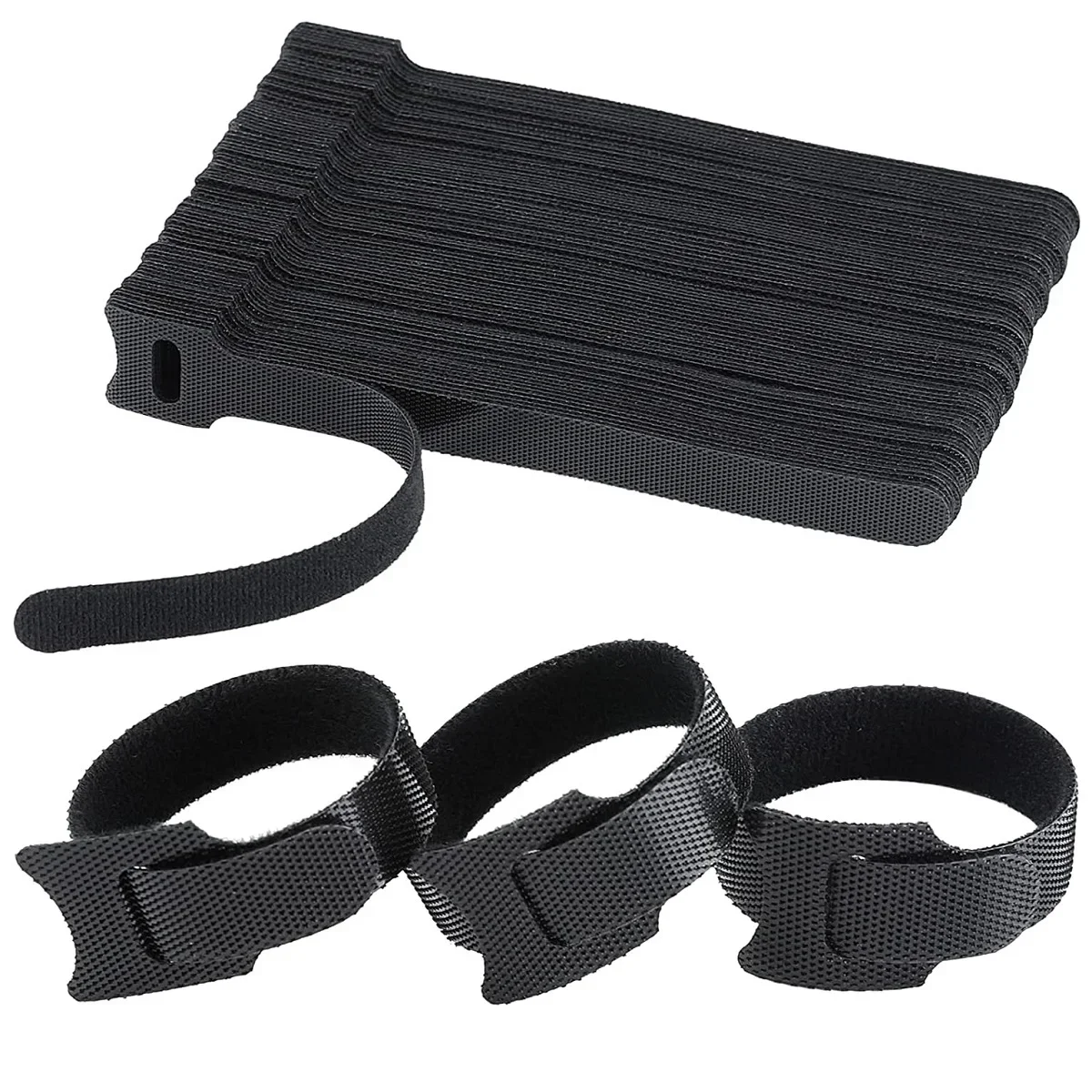 |
Let’s go shopping!
lol, I was watching Learn Electronics Repair #2 – Geforce GTX 280 GPU Graphics Card Repair Part 1 and I learned a new term: Spudger. You will have to click-through for the definition. :)
I took some time today to update the Affiliate Links page on the blog. Now there’s a table which catalogs most of the interesting equipment in my lab along with a link (or two) to where you can buy.
As part of today’s updating of my Patreon page and my YouTube branding I took new photos of the lab, you can see them over here: https://www.jj5.net/lab/
I suppose it’s a poorly kept secret that now I’m live on Patreon. My Patreon page is here: https://www.patreon.com/JohnElliotV
I would like to stress that I do my blog and my YouTube channel for love and I do *not* expect anyone to send money, so please don’t feel pressured to do so. <3
If you have any thoughts on the Patreon page or how my YouTube channel is configured I would be happy to hear from you, particularly if you have suggestions about how to improve things.
Wanna check out ESP-IDF which is Espressif’s official IoT Development Framework. Have to decide if I will use Linux, Mac, or Windows, and whether I will use VSCode or Eclipse.
This looks like a good place to start: https://github.com/espressif/esp-idf