Today I happened upon this ATTiny85 Quick Reference.
SparkFun ATTiny85 Quick Reference
Reply

Today I happened upon this ATTiny85 Quick Reference.
This is great: The 6502 Instruction Set Database. It’s a database with details of opcodes for the 6502 processor. You can see the SQL and TSV.
This post is part of my video blog: In The Lab With Jay Jay.
You can support this channel on Patreon: patreon.com/JohnElliotV
In this video I pull the floppy disk out of the cover of my copy of The SCSI Bus and IDE Interface: Protocols, Applications and Programming (2nd Edition).
I have this wonderful old book The SCSI Bus and IDE Interface: Protocols, Applications and Programming (2nd Edition). It was published in 1997 but is still available for purchase through Amazon.
The book comes with a floppy disk (that’s right: a floppy disk!). I had to buy a USB floppy disk drive to read it. I have made the content from the disk available in a tarball, here: scsi.tgz.
If you just want to read the files, those are here:
Following is a list of products I use which may appear in my videos. Clicking through on these links before purchasing from Amazon, eBay, or AliExpress is a great way to support the channel at no cost to you. Thanks!
Let’s go shopping!
This post is part of my video blog and you can find more information about this video on this show’s homepage which is here.
You can support this channel on Patreon: patreon.com/JohnElliotV
Silly Job Title: Master Planner
This video is part of the New Book Teardown feature of my video blog.
In this video I take a look at Learning the Art of Electronics: A Hands-On Lab Course by Thomas C. Hayes and Paul Horowitz published in 2016. The book has 1,140 pages and is a companion to The Art of Electronics 3rd Edition.
Some notes about things of interest we noticed in the book:
Thanks very much for watching! And please remember to hit like and subscribe!
Update Jan 2025: Hi there. You might be interested to know that the second edition of this book is due to ship in March 2025! Can’t wait! https://learningtheartofelectronics.com/
If you want to pre-order a new version you can do so here:
US: https://www.amazon.com/dp/1009535188
UK: https://www.amazon.co.uk/dp/1009535188
AU: https://www.amazon.com.au/dp/1009535188
Following is a product I use picked at random from my collection which may appear in my videos. Clicking through on this to find and click on the green affiliate links before purchasing from eBay or AliExpress is a great way to support the channel at no cost to you. Thanks!
Yum Cha Blue Spudgers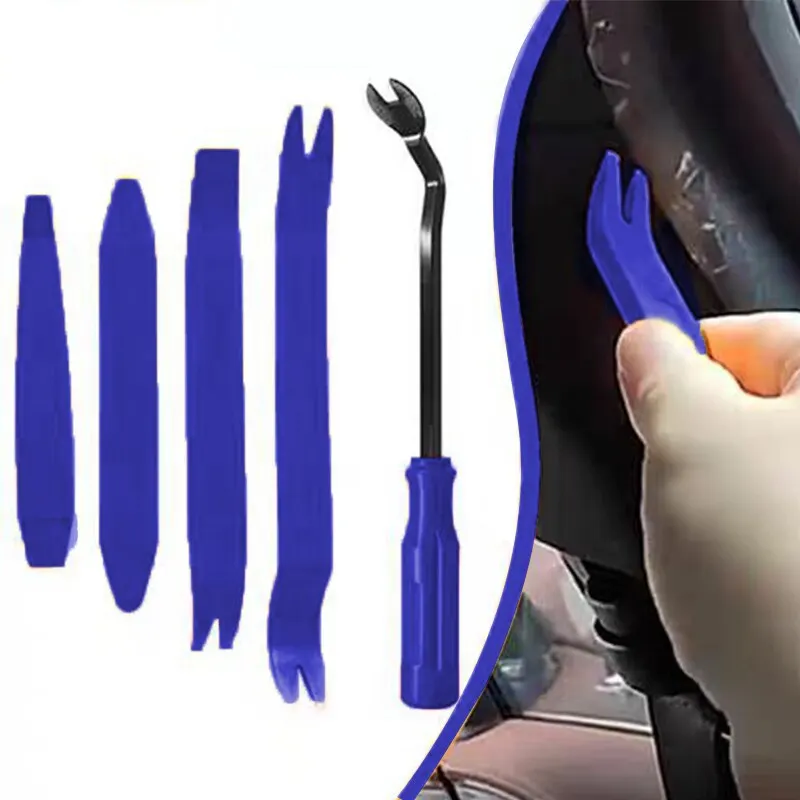 |
Let’s go shopping!
I am reading Make: AVR Programming: Learning to Write Software for Hardware and I found this excellent video: Programming AVR Microcontrollers in C – O’Reilly Webcast available from here: Beyond the Arduino: Programming AVR Microcontrollers in C.
The author’s github page is still operational: https://github.com/hexagon5un/AVR-Programming
Their website littlehacks.org is offline but still available via archive.org: https://web.archive.org/web/20160307235812/http://littlehacks.org/
Also there’s this really cool collection of projects over here: Cornell University ECE 4760 Designing with Microcontrollers Final Projects.
User:
ISP vs ICSP
ChatGPT 4:
When discussing programming and interfacing with microcontrollers, “ISP” and “ICSP” are two terms that often come up. Here’s a breakdown of what each means and how they compare:
In summary, ICSP is a specific form of ISP. The choice between ISP and ICSP often comes down to the specific requirements of the project, including the microcontroller being used, the available pins for programming, and the preferred programming method. Both aim to provide flexibility and ease of use for developers and engineers when programming microcontrollers within their final application environment.
My mate @gwozniak recommended I check out MPLAB® X Integrated Development Environment (IDE) for programming my ATtiny85 microcontrollers. Gonna try to get around to that soon.
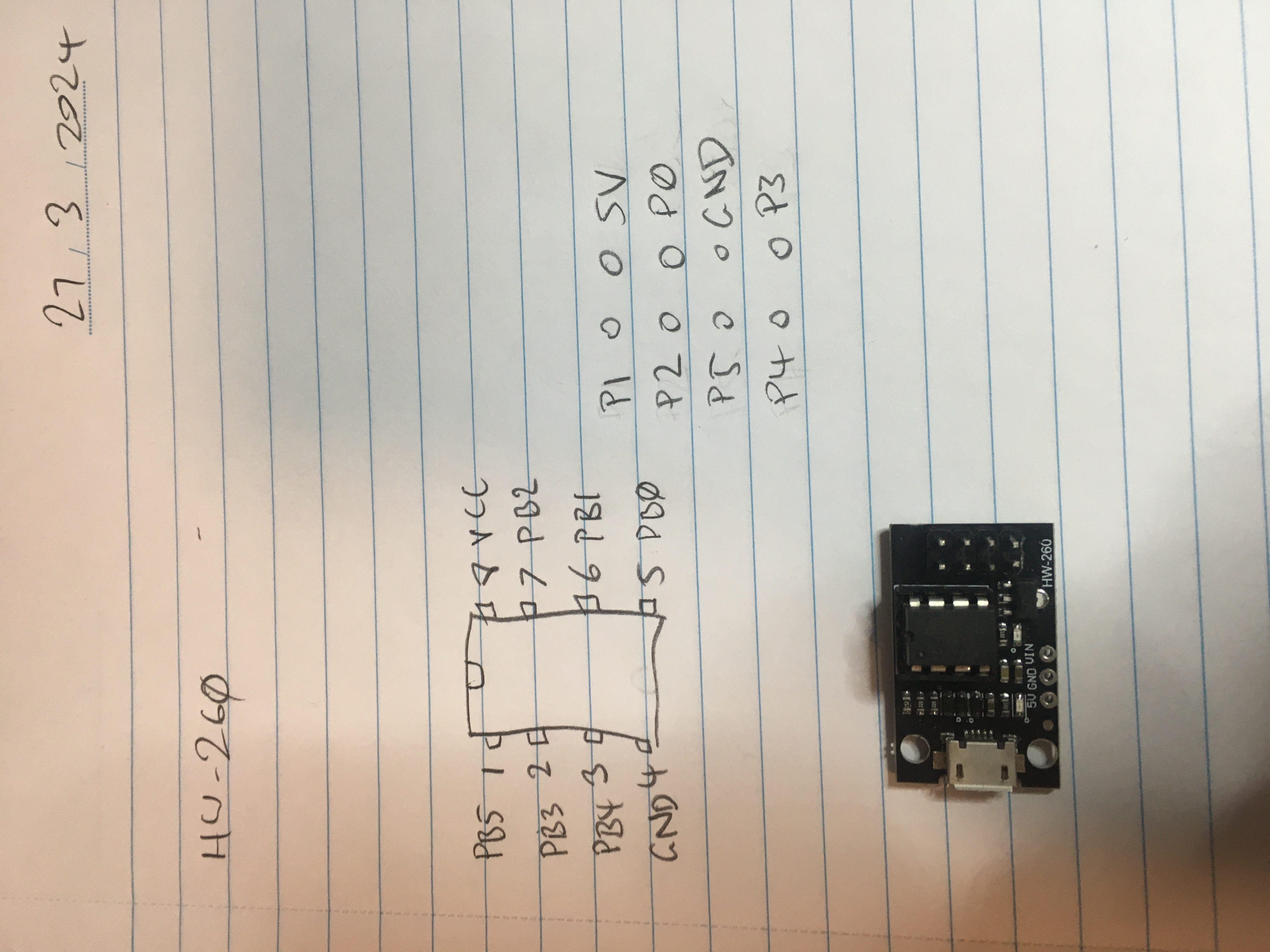
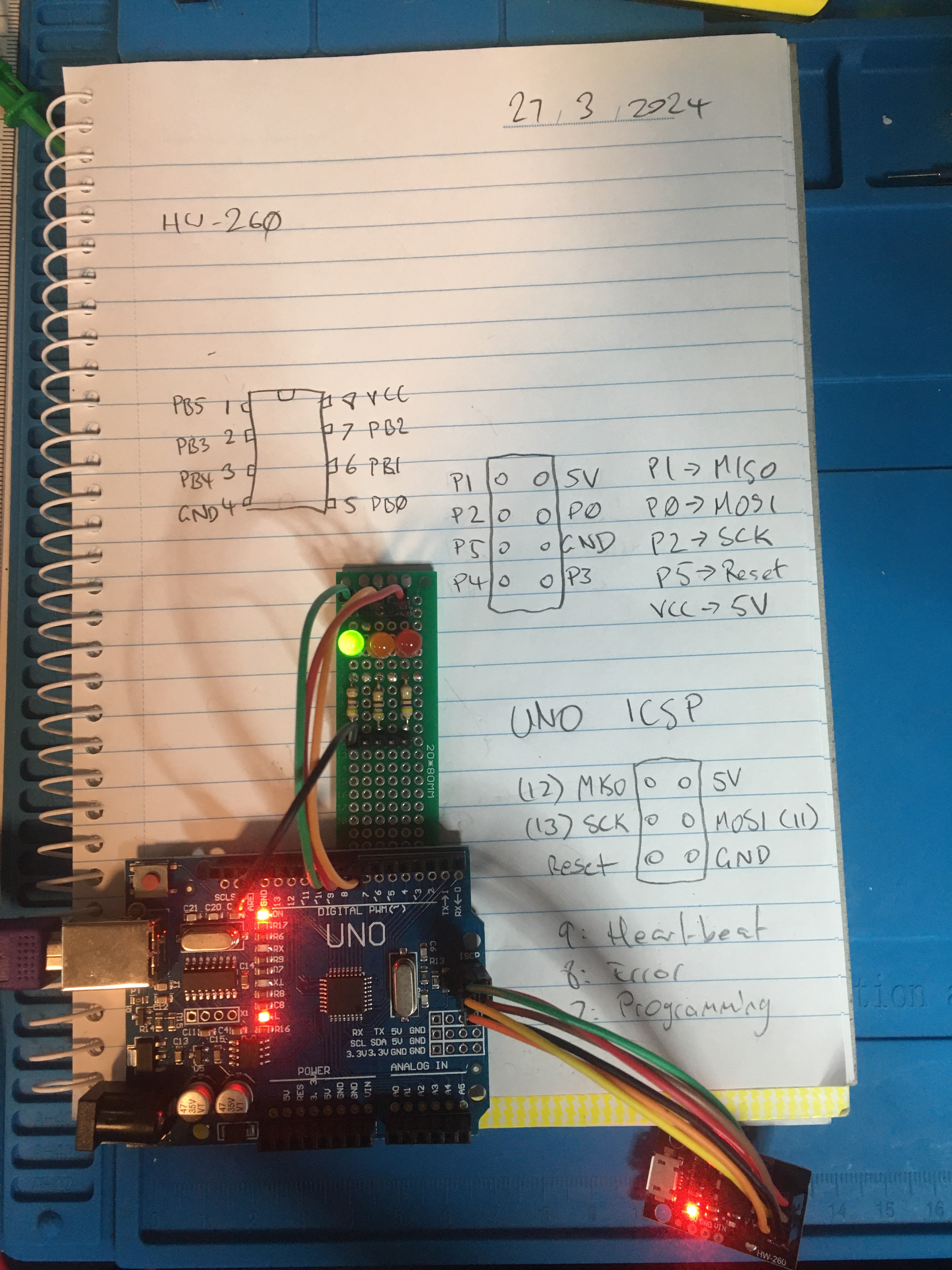
These are some notes I made about the pin-out of the HW-260 adapter boards I have for my ATtiny85 microcontrollers. I think my ATtiny45’s are also compatible. Not sure about my ATtiny13A’s.
A friend on IRC referred me to this today: https://namingschemes.com/. It’s various lists of nouns in a theme which you can use for naming computers and such.


