
Remember your training
Reply

I heard recently that Lisa Mammoliti died from cancer. I didn’t get a lot of details. Lisa was on the interview panel for my first salaried programming job, and she selected me as one of the three cadets taken that year (2000). I guess I would have to say that I didn’t know her particularly well–she wasn’t a smoker and her desk was on the other side of our floor–but she was cheerful and friendly and very generous with me. She had a reputation as a very capable programmer and when you spoke with her you could kind of tell that she was a humble genius. I am sorry to learn of her passing.
I just hit 1,000 subscriptions on the main channel! Next stop: 2,000.
I thought this was good: Seven things people learn too late in life.
Today I watched Most Important Skills for Electrical Engineering.
Stuff I need to learn includes:
He listed some important soft skills which included:
Today I found Quake ported to Arduino Nano Matter and Sparkfun Thing Plus Matter Boards via this article from Hackaday: Quake In 276 KB Of RAM.
The code is on GitHub and there’s a YouTube video with a high-level explanation.
This post is part of my video blog and you can find more information about this video over here.
You can support this channel on Patreon: patreon.com/JohnElliotV
In this video I mod a pair of resistor boxes by installing banana plug terminals in place of the lug terminals they came with and then I give a quick demo of them.
In the demo we connect them in both series and parallel and then measure their resistance with my Fluke multimeter.
I mention this video from Dave Jones on the EEVblog: EEVblog #1020 – Is A $7 LCR / Component Tester Any Good? which is where I found out about the RS-201W resistor box which he has. I searched on eBay for RS-201W but what I found for over US$1,000 (inc shipping) was way too expensive: IET Labs RS-201W Wide Range Precision Resistance Substituter.
Thanks very much for watching! And please remember to hit like and subscribe! :)
Following is a product I use picked at random from my collection which may appear in my videos. Clicking through on this to find and click on the green affiliate links before purchasing from eBay or AliExpress is a great way to support the channel at no cost to you. Thanks!
Yum Cha 11 in 1 USB-C Hub USB Hub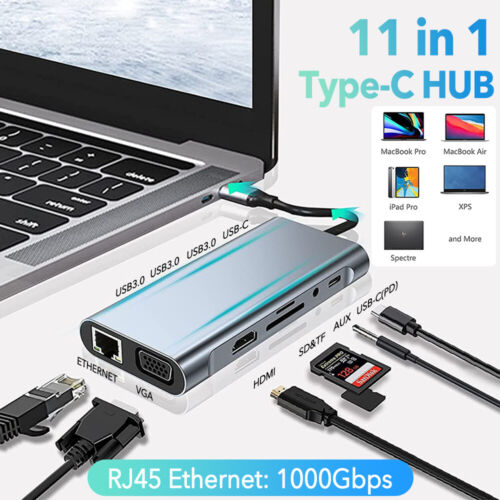 |
Let’s go shopping!
This post is part of my video blog and you can find more information about this video over here.
You can support this channel on Patreon: patreon.com/JohnElliotV
In this video I get the new shirt for my costume.
Also some USB stuff from AliExpress:
Thanks very much for watching! And please remember to hit like and subscribe! :)
Following is a product I use picked at random from my collection which may appear in my videos. Clicking through on this to find and click on the green affiliate links before purchasing from eBay or AliExpress is a great way to support the channel at no cost to you. Thanks!
Swann & Morten 20pcs No.15C Scalpel Blade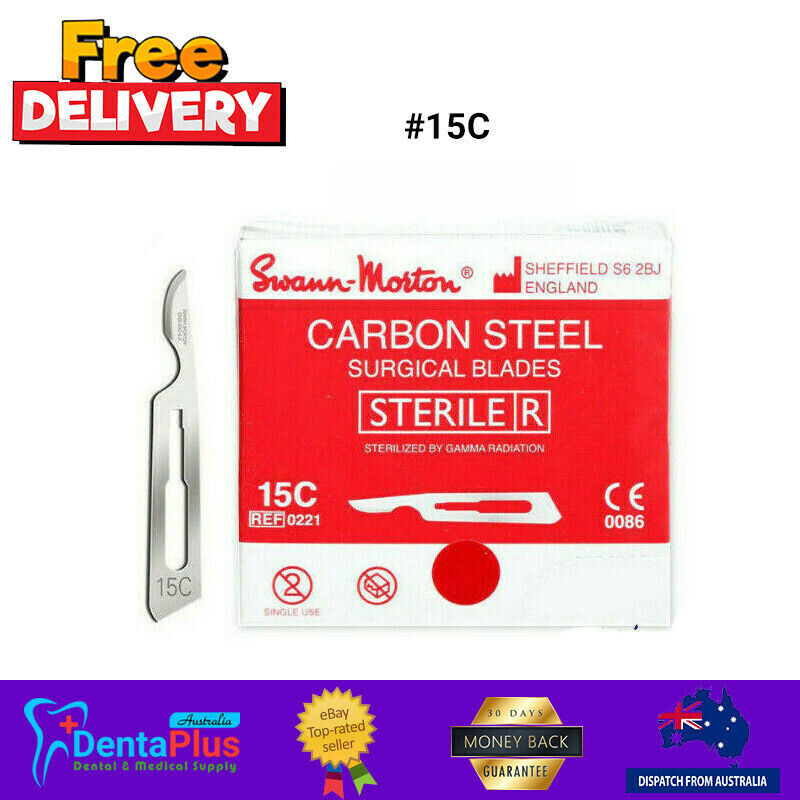 |
Let’s go shopping!
This post is part of my video blog and you can find more information about this video over here.
You can support this channel on Patreon: patreon.com/JohnElliotV
In this video I receive Engineer’s Mini Notebook Volume II – Science and Communication Circuits & Projects all the way from the USA from my friend (and mentor (and reader (and viewer (and patron (and Lisp hacker))))) Craig. Thanks Craig! <3
I mention that the October 2024 edition of Silicon Chip magazine is out.
I mention that I recently got my symbol keyboard working on Linux! Pretty happy about that! These are the extra keys that I have at my workstation now: ° ± § λ Δ Σ Π Ω ε µ π θ
I also get a bunch of stuff from AliExpress, including:
And yes, despite confusion, I did get three lots of two different kinds of hard brushes, and yes, I did end up saying the wrong thing in the video! Can’t take me anywhere.
Oh, and as I mention in the video I am from a beautiful part of the world known as the Blue Mountains. It’s pretty hot here today!
In the end my collection of Arduino boards includes:
Thanks very much for watching! And please remember to hit like and subscribe! :)
Following is a product I use picked at random from my collection which may appear in my videos. Clicking through on this to find and click on the green affiliate links before purchasing from eBay or AliExpress is a great way to support the channel at no cost to you. Thanks!
Wozniak Solder Lugs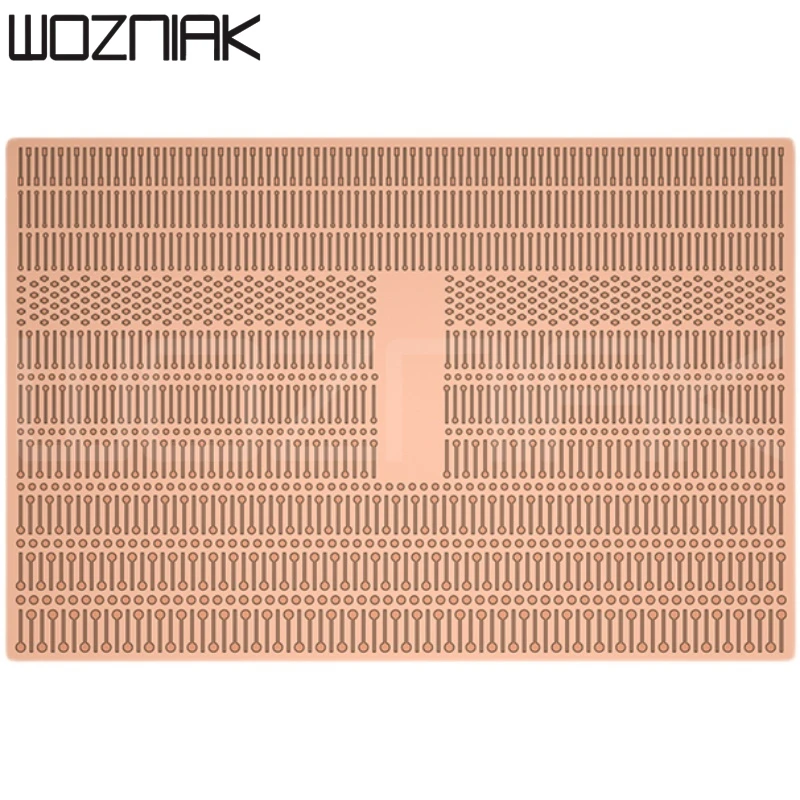 notes notes |
Let’s go shopping!