These BB830 breadboards are the ones Ben Eater uses in his videos.
BPS BB830
Reply
These BB830 breadboards are the ones Ben Eater uses in his videos.
I was watching Ben Eater’s video Build an 8-bit decimal display for our 8-bit computer and I was interested in what calculator he was using. Seems to be an HP-16C.
You know you’re procrastinating when you find yourself organizing your breadboard wire. :P
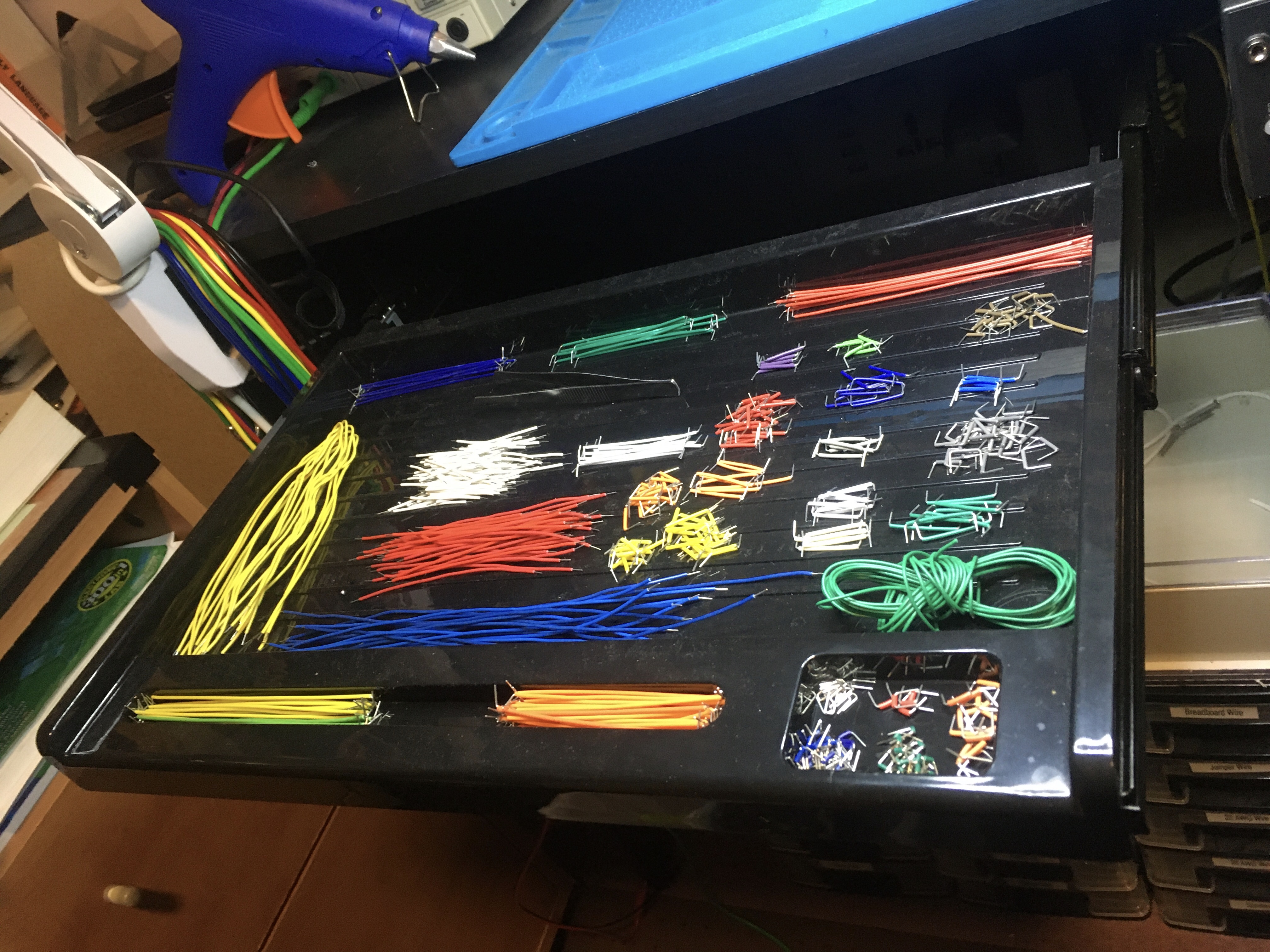
That drawer I have is an gku™ Underdesk Keyboard Drawer under desk keyboard tray and storage AC1009.
I wanted a new logo to go with my YouTube channel to replace a very old photo of me. So I asked ChatGPT and it didn’t let me down!

Updated the photos of my lab. How many cameras can you see?
I’ve just played a round of “If John owned a pencil sharpener, where would he keep it?” — but I didn’t win.
I wanted to know how to stop my MacBook Pro from going to sleep when I closed its lid, so I asked ChatGPT and discovered Amphetamine. Good work, Internet; you have come a long way since the nineties.
p.s. I always wanted to blog about amphetamines.
It is well known that I am a nerd. But if there were any doubt, this removes it. :)
This post is part of my video blog and you can find more information about this video on this show’s homepage which is here.
You can support this channel on Patreon: patreon.com/JohnElliotV
This video is just me testing the operation and recording of my MSO5074 scope and my signal generator.
Thanks very much for watching! And please remember to hit like and subscribe!
Following is a product I use picked at random from my collection which may appear in my videos. Clicking through on this to find and click on the green affiliate links before purchasing from eBay or AliExpress is a great way to support the channel at no cost to you. Thanks!
EXAR XR2206 Signal Generator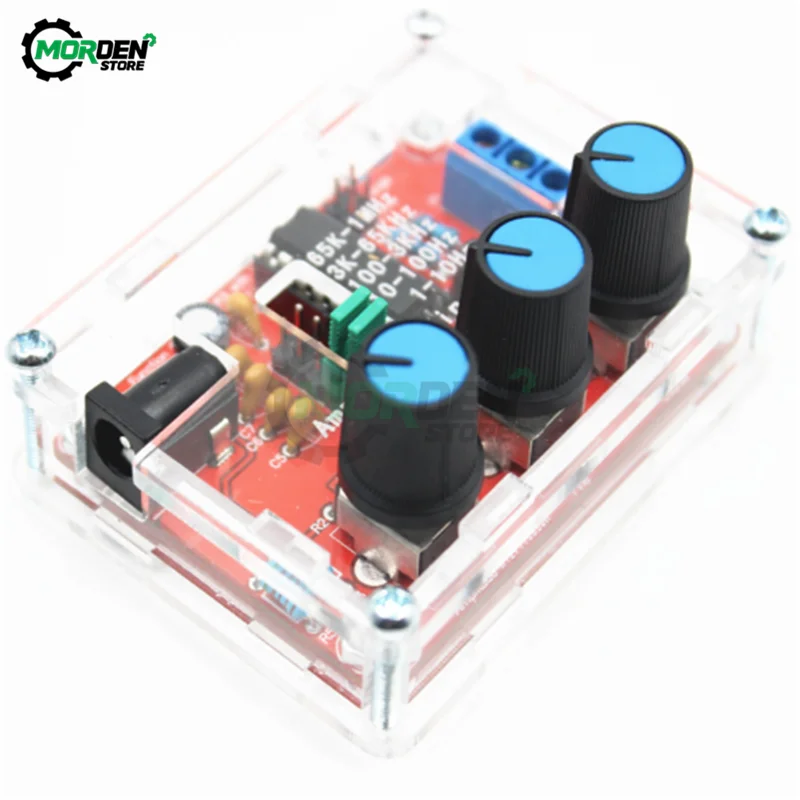 notes notes |
Let’s go shopping!
This post is part of my video blog and you can find more information about this video on this show’s homepage which is here.
You can support this channel on Patreon: patreon.com/JohnElliotV
Just preparing my lab cameras. This video is a bit sketchy because I made some mistakes during recording. But it is what it is. Hi! :)
Thanks very much for watching! And please remember to hit like and subscribe!
Following is a product I use picked at random from my collection which may appear in my videos. Clicking through on this to find and click on the green affiliate links before purchasing from eBay or AliExpress is a great way to support the channel at no cost to you. Thanks!
Logitech Brio USB Camera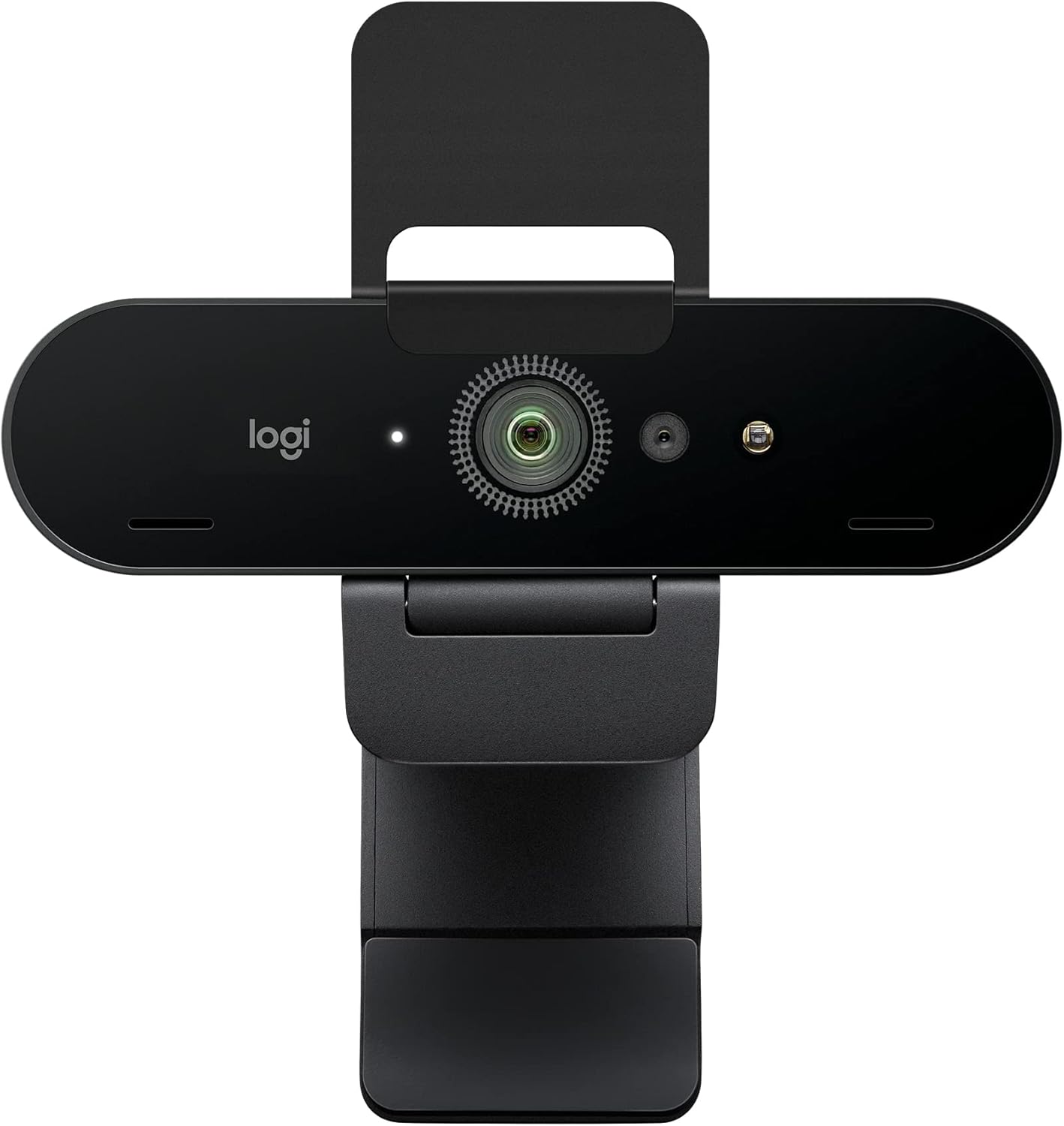 |
Let’s go shopping!