In this video Cory argues that Google is making their search service worse in order to drive more traffic. Sigh. Cory Doctorow On Google & Monopolies!
Cory Doctorow On Google & Monopolies
Reply

In this video Cory argues that Google is making their search service worse in order to drive more traffic. Sigh. Cory Doctorow On Google & Monopolies!
I’m a huge fan of ElectrArc240 who has recently released a new video: Every Component of a Linear Power Supply Explained (while building one).
This post is part of my video blog and you can find more information about this video over here.
You can support this channel on Patreon: patreon.com/JohnElliotV
In this video I do the Mini Project JMP002 developed and published by Silicon Chip magazine and sponsored by Jaycar Electronics.
The code for this project is here: XC3730_LAVA_LAMP_COLOURS.ino.
The parts for this project are these:
The links for this video are these:
Thanks very much for watching! And please remember to hit like and subscribe! :)
Following is a product I use picked at random from my collection which may appear in my videos. Clicking through on this to find and click on the green affiliate links before purchasing from eBay or AliExpress is a great way to support the channel at no cost to you. Thanks!
Yum Cha Macro Programmable 8-Key Mechanical Keyboard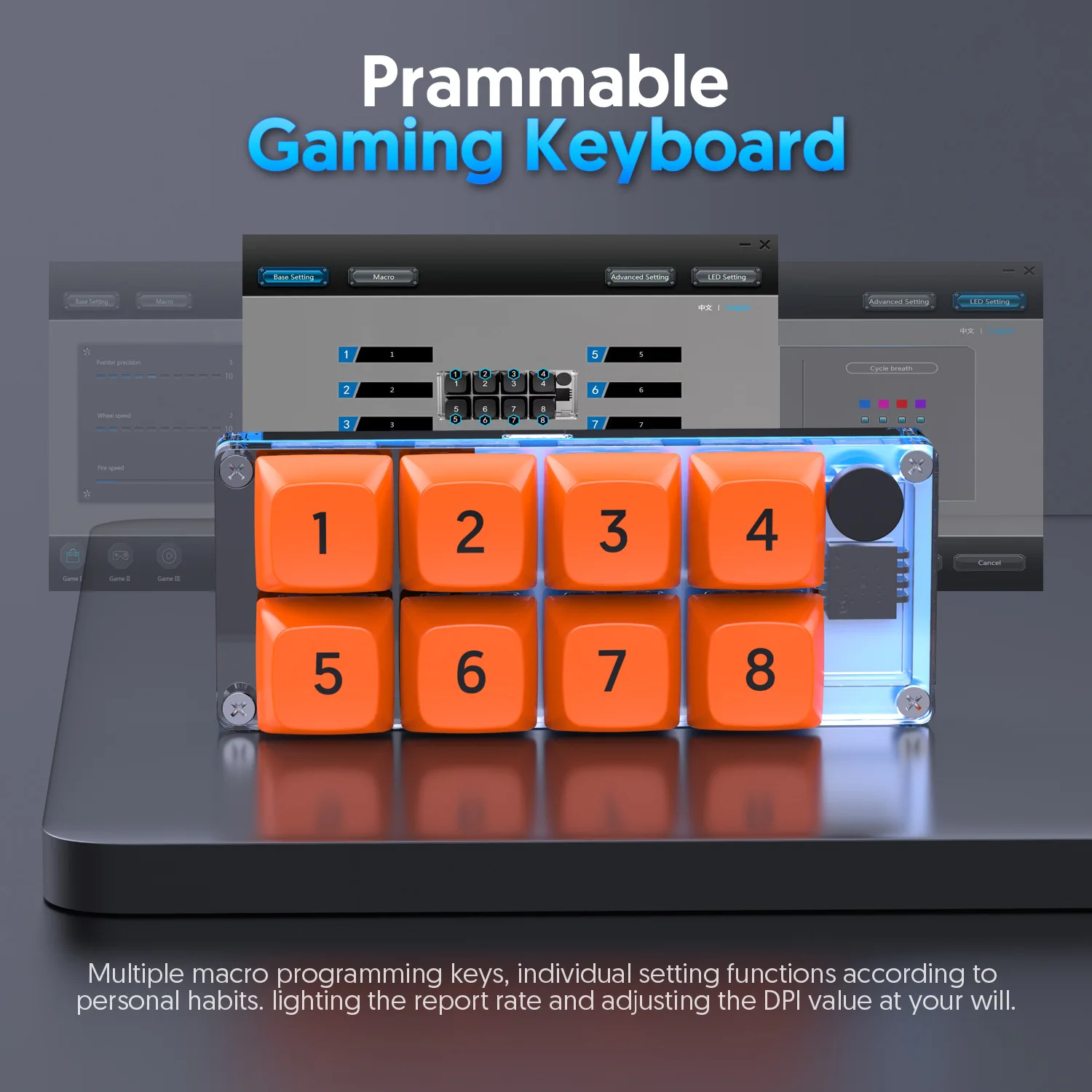 |
Let’s go shopping!
For the record:
There are some tips on making a website fast in this video: How is this Website so fast!?
This post is part of my video blog and you can find more information about this video over here.
You can support this channel on Patreon: patreon.com/JohnElliotV
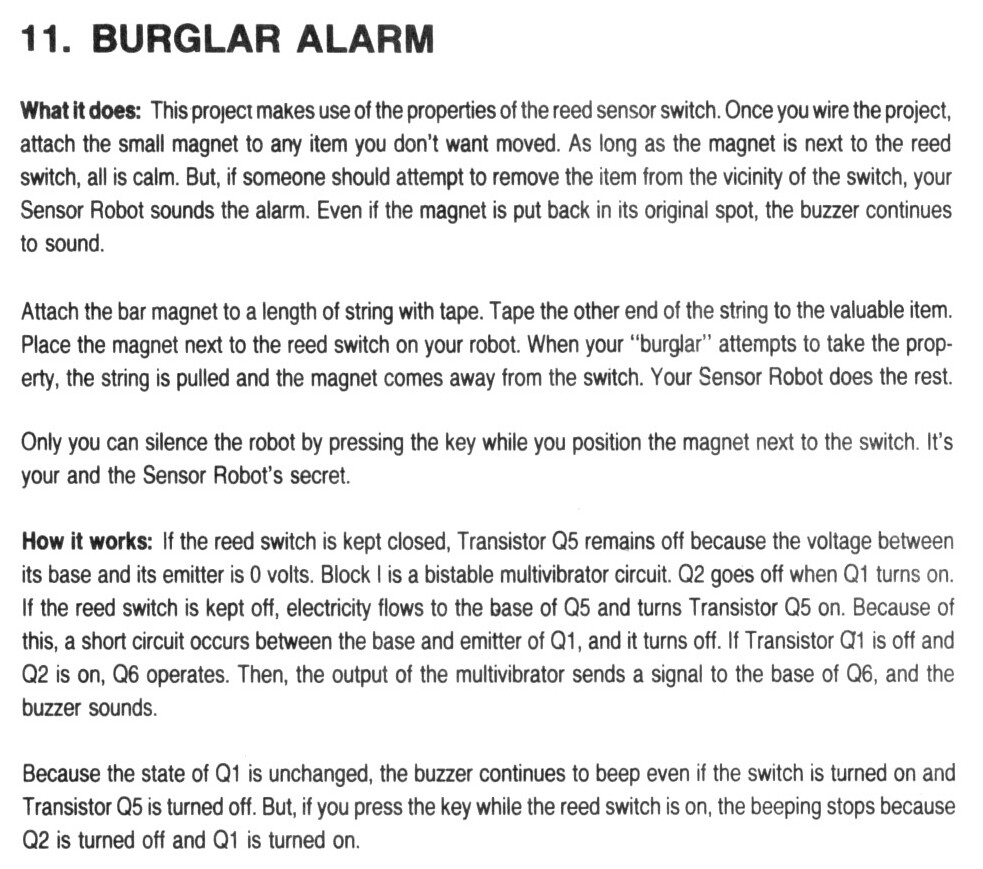
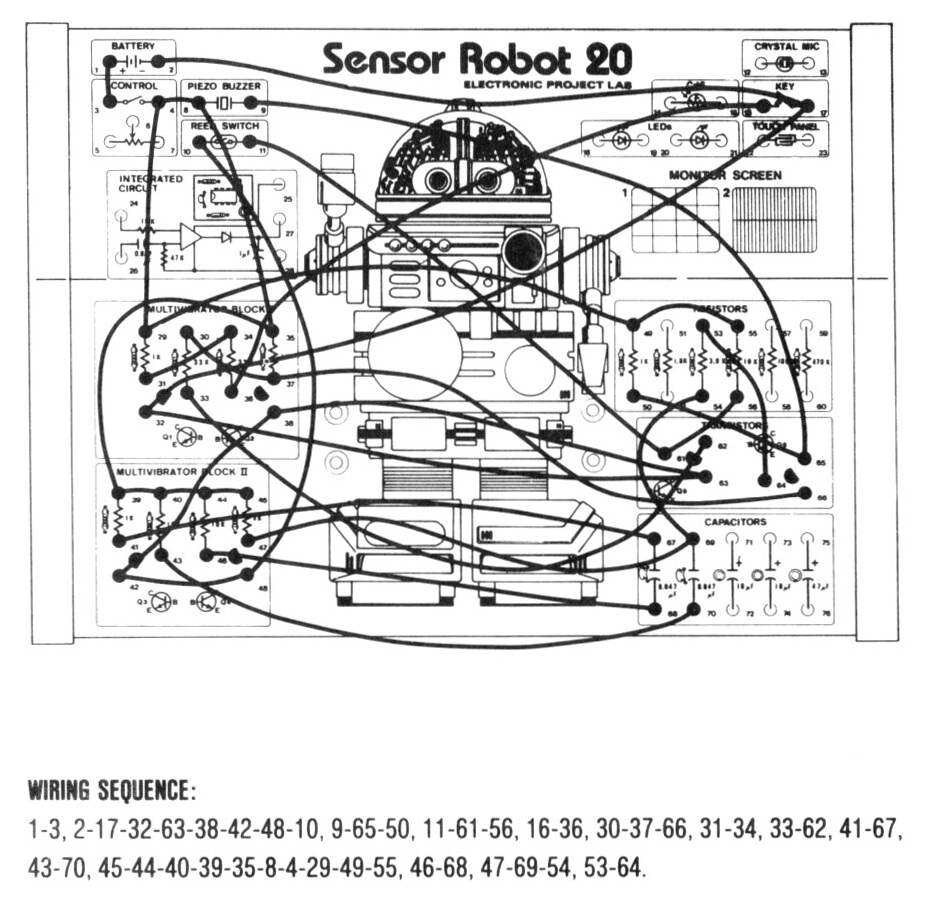
In this video I do the 11th project from the Maxitronix 20in1 (the Sensor Robot 20): Burglar Alarm.
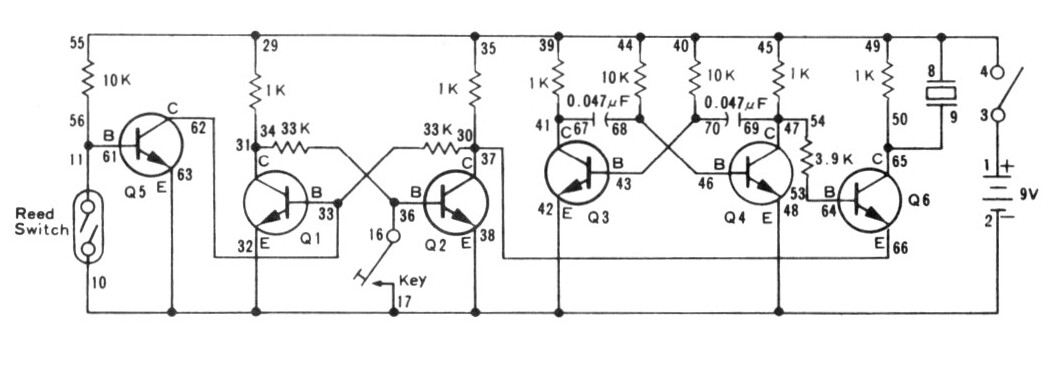
This project uses the reed switch to trigger a bistable multivibrator that controls an alarm. The bistable multivibrator can be reset with the key. An astable multivibrator is used to generate the tone for the audible alarm.
In this project we get some more experience with transistors and how they can be used in various types of multivibrator circuit. Under the thermal camera we can see some of the transistors warming up as they conduct electricity. With the oscilloscope we can see the periodic waveform used to generate the alarm tone.
Note: while I was making this video I needed to make some banana plug to hook clip cables (so that I could test the reed switch). I made a video of my making those cables which you can see here: Electronics Project #9: Making Banana Plug to Hook Clip Cables | In The Lab With Jay Jay.
Thanks very much for watching! And please remember to hit like and subscribe! :)
Following is a product I use picked at random from my collection which may appear in my videos. Clicking through on this to find and click on the green affiliate links before purchasing from eBay or AliExpress is a great way to support the channel at no cost to you. Thanks!
Yum Cha KT-908 Digital Thermometer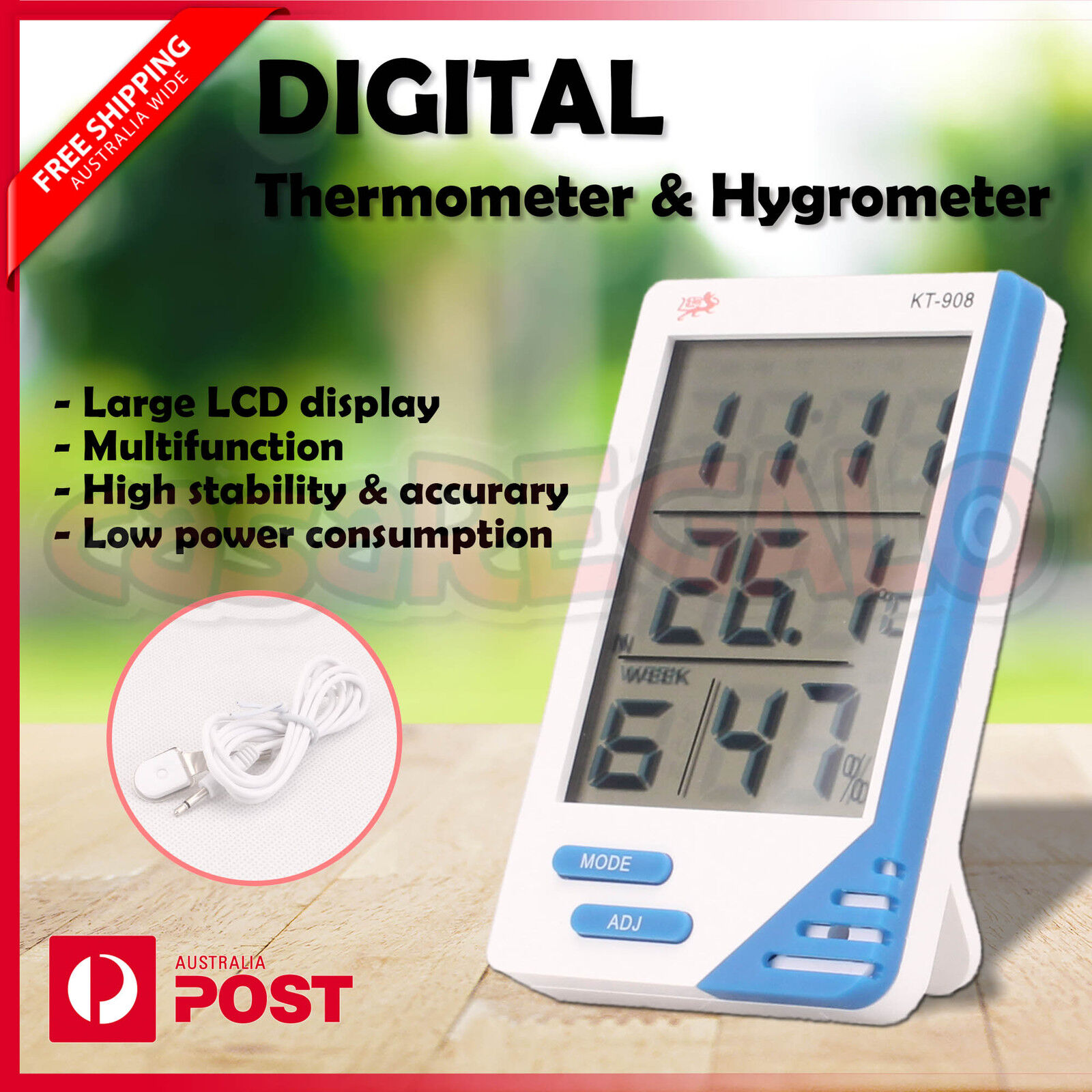 |
Let’s go shopping!

Today I found Quake ported to Arduino Nano Matter and Sparkfun Thing Plus Matter Boards via this article from Hackaday: Quake In 276 KB Of RAM.
The code is on GitHub and there’s a YouTube video with a high-level explanation.
This post is part of my video blog and you can find more information about this video over here.
You can support this channel on Patreon: patreon.com/JohnElliotV
In this video I receive Engineer’s Mini Notebook Volume II – Science and Communication Circuits & Projects all the way from the USA from my friend (and mentor (and reader (and viewer (and patron (and Lisp hacker))))) Craig. Thanks Craig! <3
I mention that the October 2024 edition of Silicon Chip magazine is out.
I mention that I recently got my symbol keyboard working on Linux! Pretty happy about that! These are the extra keys that I have at my workstation now: ° ± § λ Δ Σ Π Ω ε µ π θ
I also get a bunch of stuff from AliExpress, including:
And yes, despite confusion, I did get three lots of two different kinds of hard brushes, and yes, I did end up saying the wrong thing in the video! Can’t take me anywhere.
Oh, and as I mention in the video I am from a beautiful part of the world known as the Blue Mountains. It’s pretty hot here today!
In the end my collection of Arduino boards includes:
Thanks very much for watching! And please remember to hit like and subscribe! :)
Following is a product I use picked at random from my collection which may appear in my videos. Clicking through on this to find and click on the green affiliate links before purchasing from eBay or AliExpress is a great way to support the channel at no cost to you. Thanks!
Wozniak Solder Lugs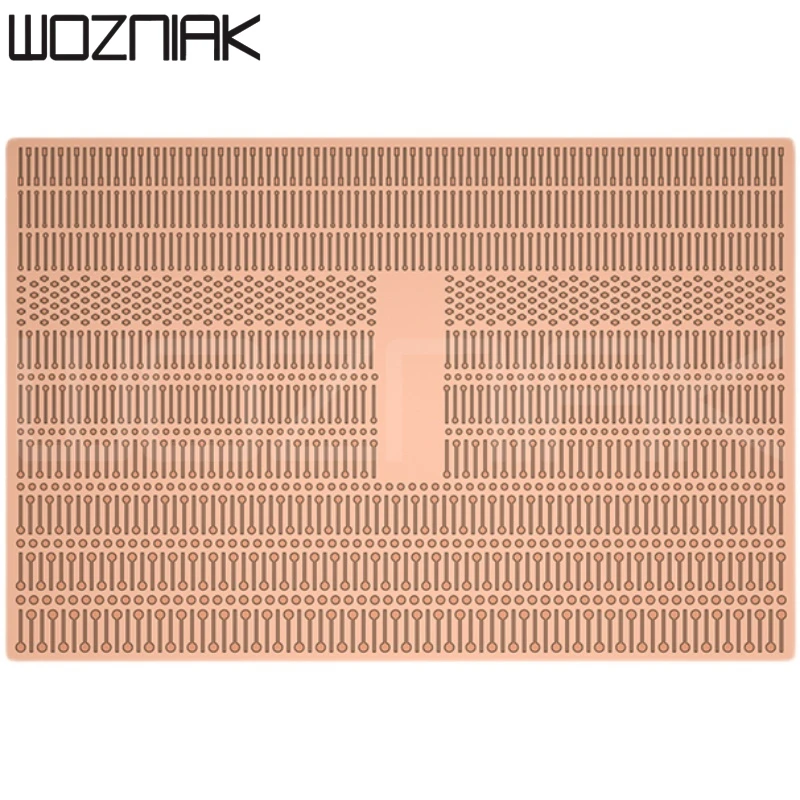 notes notes |
Let’s go shopping!
This post is part of my video blog and you can find more information about this video over here.
You can support this channel on Patreon: patreon.com/JohnElliotV
Silly Job Title: Component Wrangler
In this video I take a look at Digital Systems: Hardware Organization and Design by Fredrick J. Hill and Gerald R. Peterson published in 1973:
Here is the laundry list of links to things which came up during this video, including a few duplicates:
Thanks very much for watching! And please remember to hit like and subscribe! :)
Following is a product I use picked at random from my collection which may appear in my videos. Clicking through on this to find and click on the green affiliate links before purchasing from eBay or AliExpress is a great way to support the channel at no cost to you. Thanks!
Rigol PLA2216 Compatible Logic Probe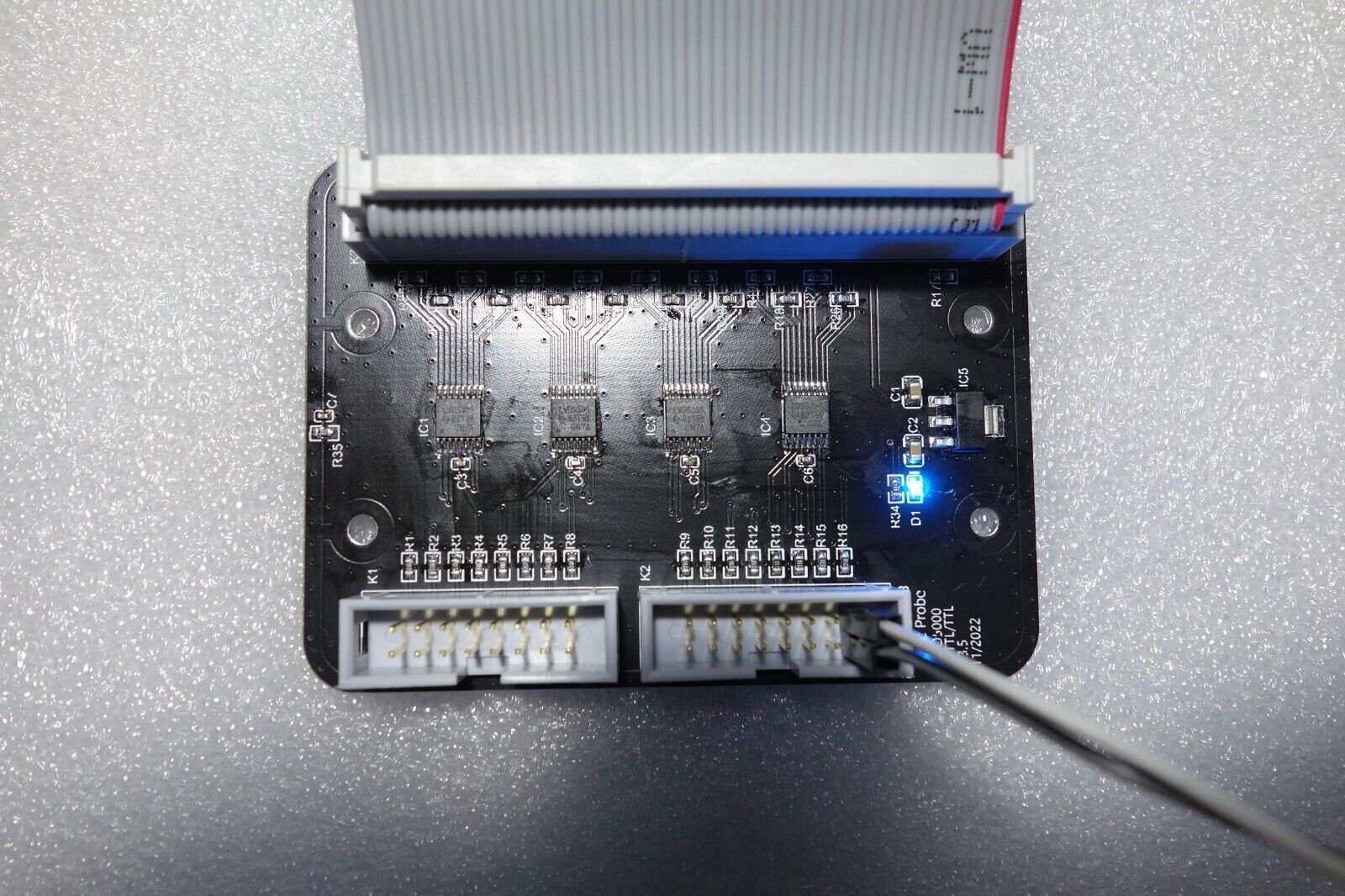 notes notes |
Let’s go shopping!
.jpg)