A humble Christmas lunch with Mum & Dad and my brother. The big party is on Boxing Day, tomorrow.
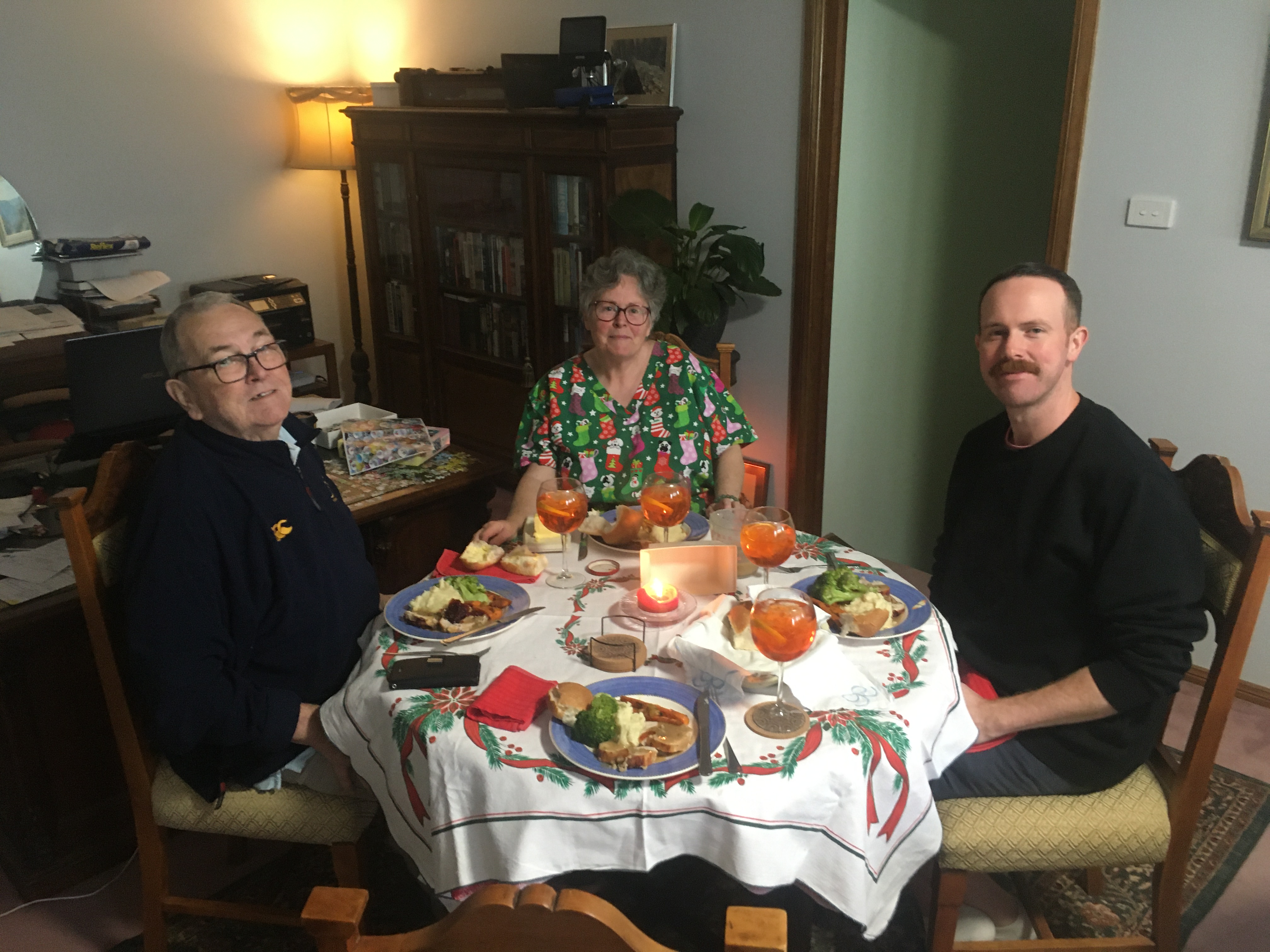
A humble Christmas lunch with Mum & Dad and my brother. The big party is on Boxing Day, tomorrow.
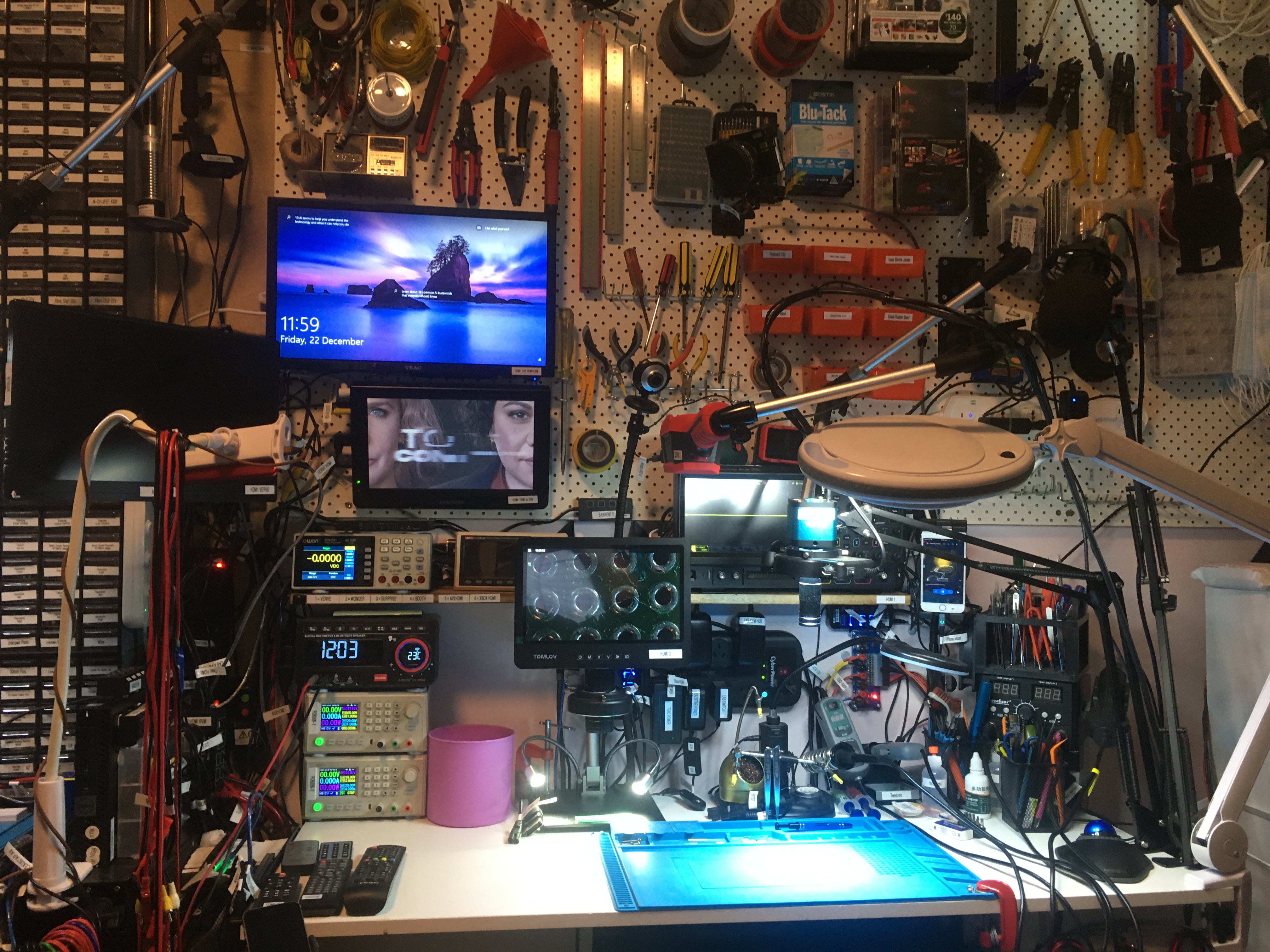
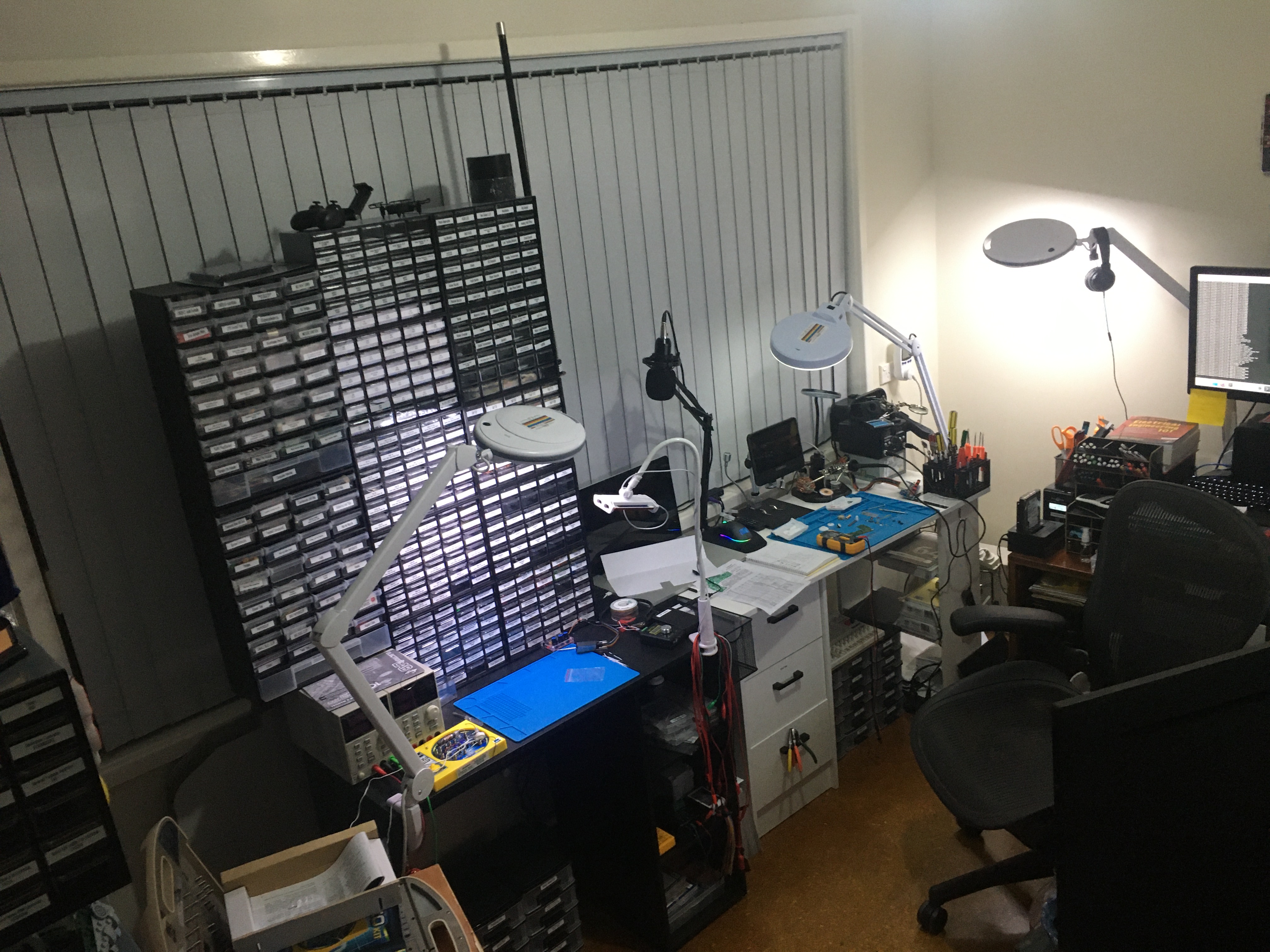
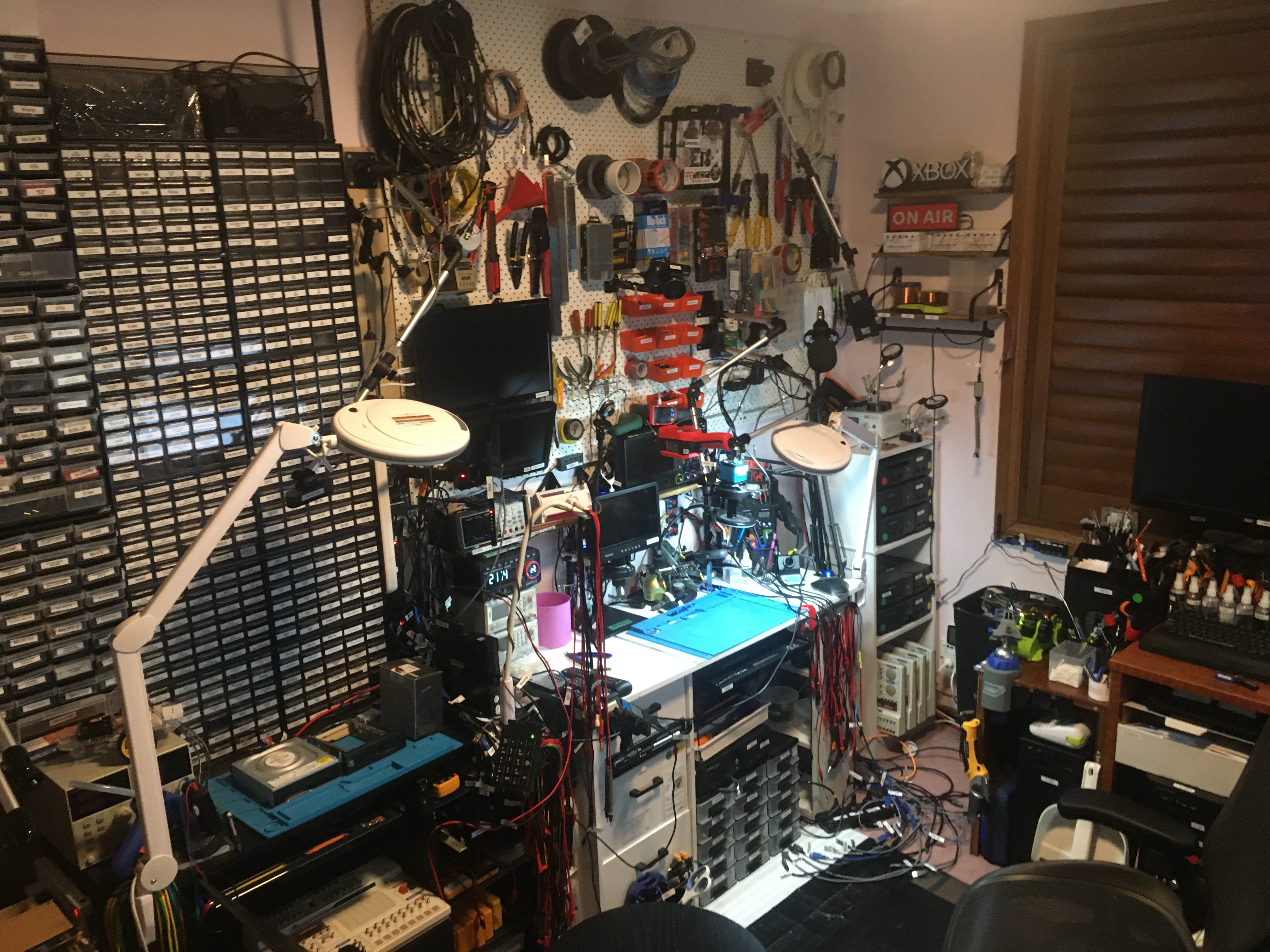
Thought today was snapshot worthy. Here is my lab as it stands at the end of 2023:
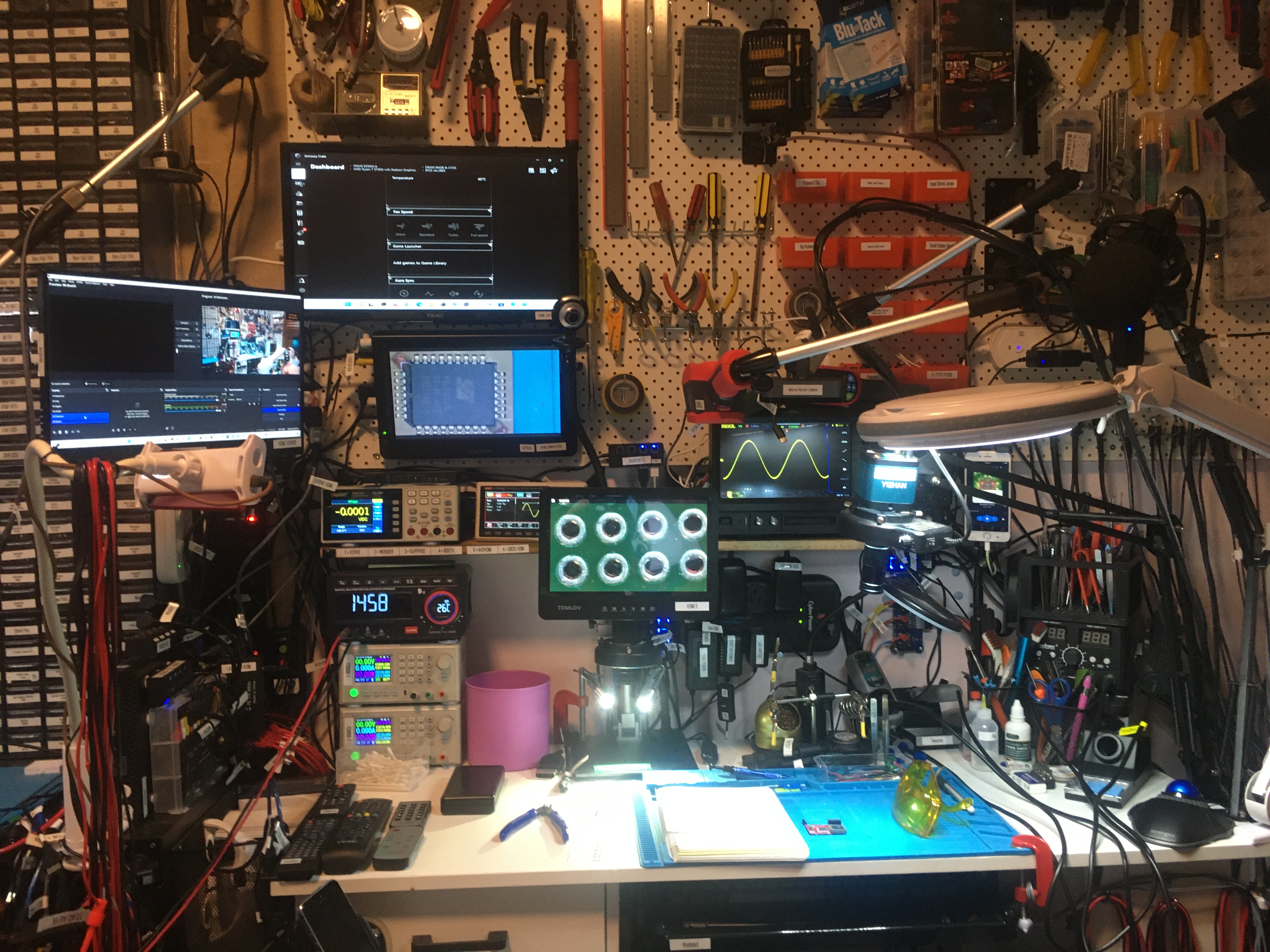
And this is what my lab looked like two years ago, when it began:
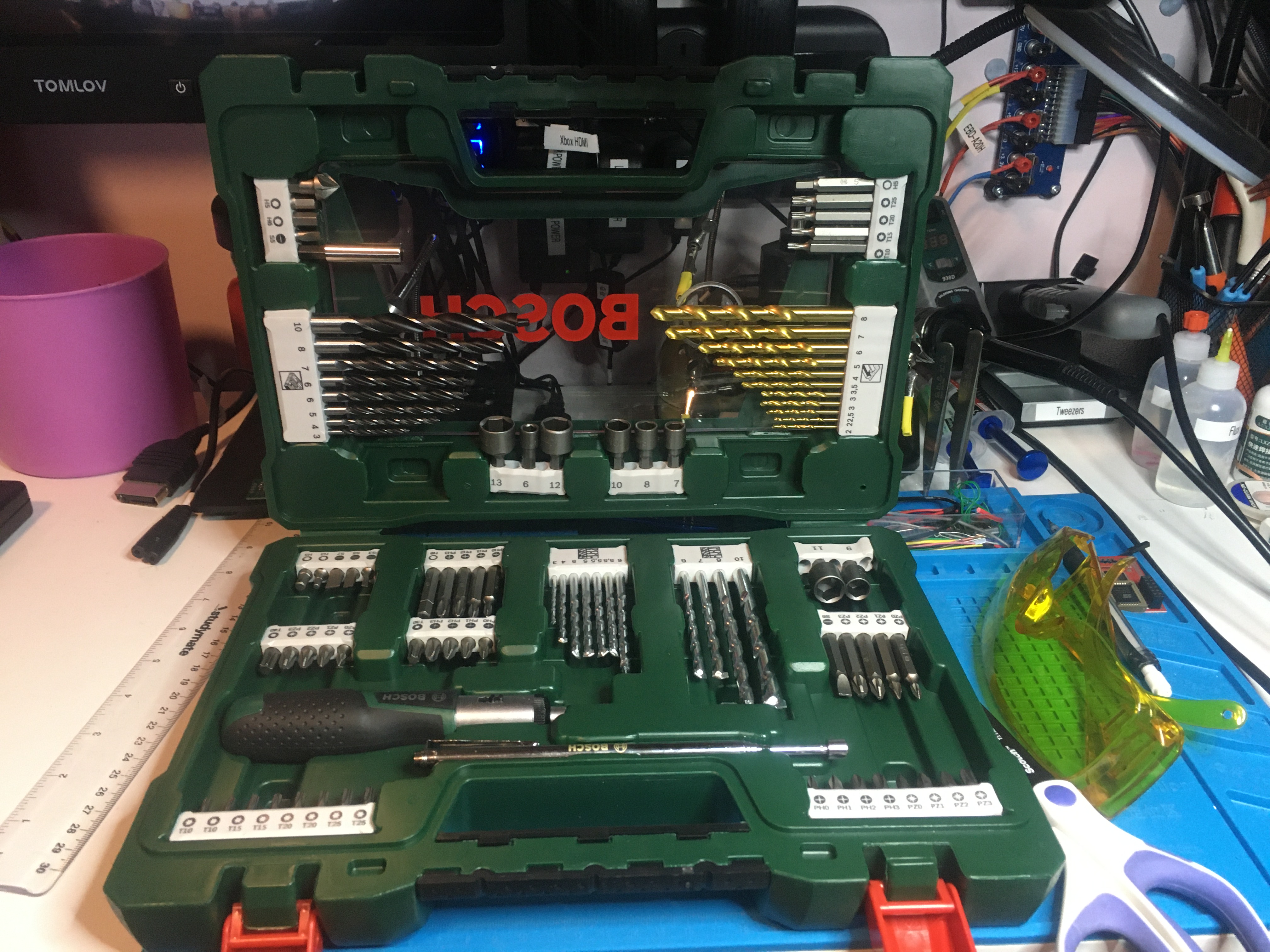
Picked up some drill bits from Amazon for AU$30: Bosch Accessories 91-Piece V-Line Titanium Drill Bit and Screwdriver Bit Set with Ratcheting Screwdriver (For Wood, Masonry, and Metal).
This post is part of my video blog and you can find more information about this video on this show’s homepage which is here.
You can support this channel on Patreon: patreon.com/JohnElliotV
Silly Job Title: Charge Charmer
Old Book: Vest Pocket Guide To Electrical Testing And Troubleshooting by John E. Traister published 1987 with 130 pages.
Today is just a quick video to demo my new camera setup made possible by my new studio workstation ‘verve‘.
In the video I demo the new mat/bench camera which supports various zoom levels. Then I demo the iPod touch camera for showing some of the bench equipment. Then I demo the HDMI system which supports two microscopes, the MSO5074 oscilloscope, and the AV switch which usually would show the Xbox among other things (but I couldn’t get the Xbox to work in this video, drats). Finally I demo the thermal cam.
Sorry for the dodgy audio in this video. I will try to make sure that doesn’t happen in future videos.
Thanks very much for watching! And please remember to hit like and subscribe!
Following is a product I use picked at random from my collection which may appear in my videos. Clicking through on this to find and click on the green affiliate links before purchasing from eBay or AliExpress is a great way to support the channel at no cost to you. Thanks!
3ELIGHTING 14″-42″ VESA Wall Mount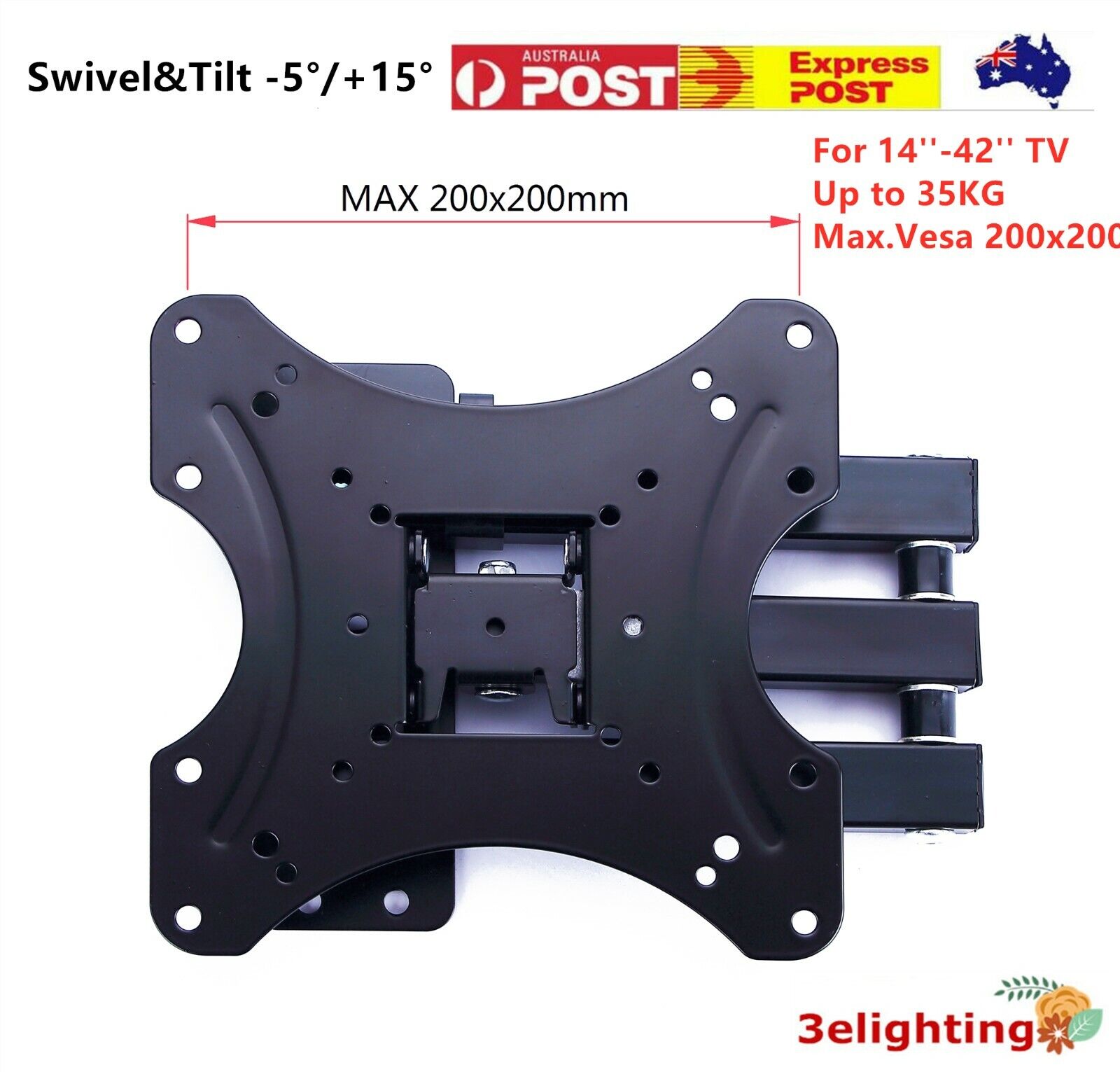 |
Let’s go shopping!
My new computer ‘verve‘ has been installed. You can see it driving its two monitors. So far so good. Up next: I install OBS Studio and see which of my cameras work. Fingers crossed!
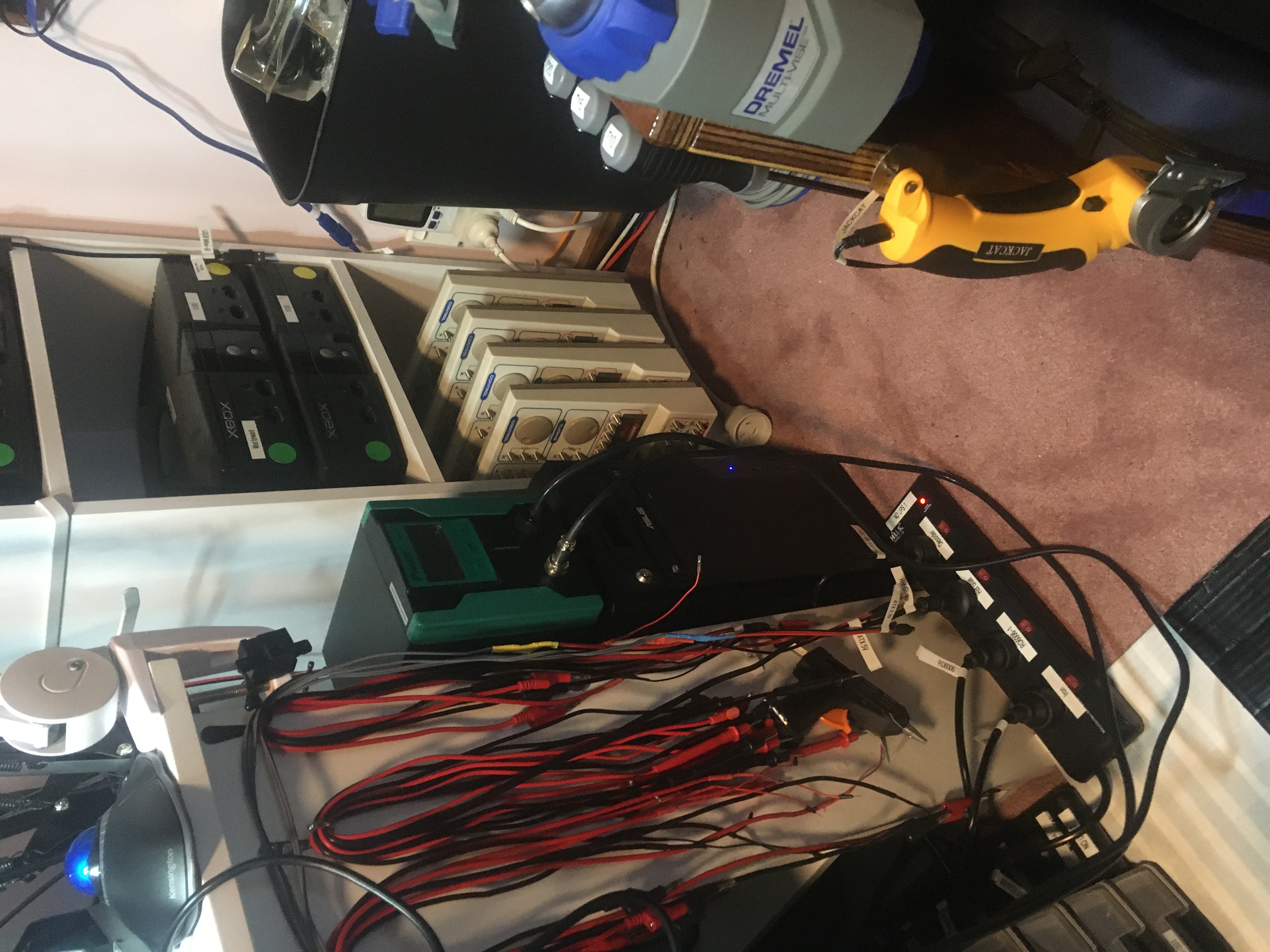
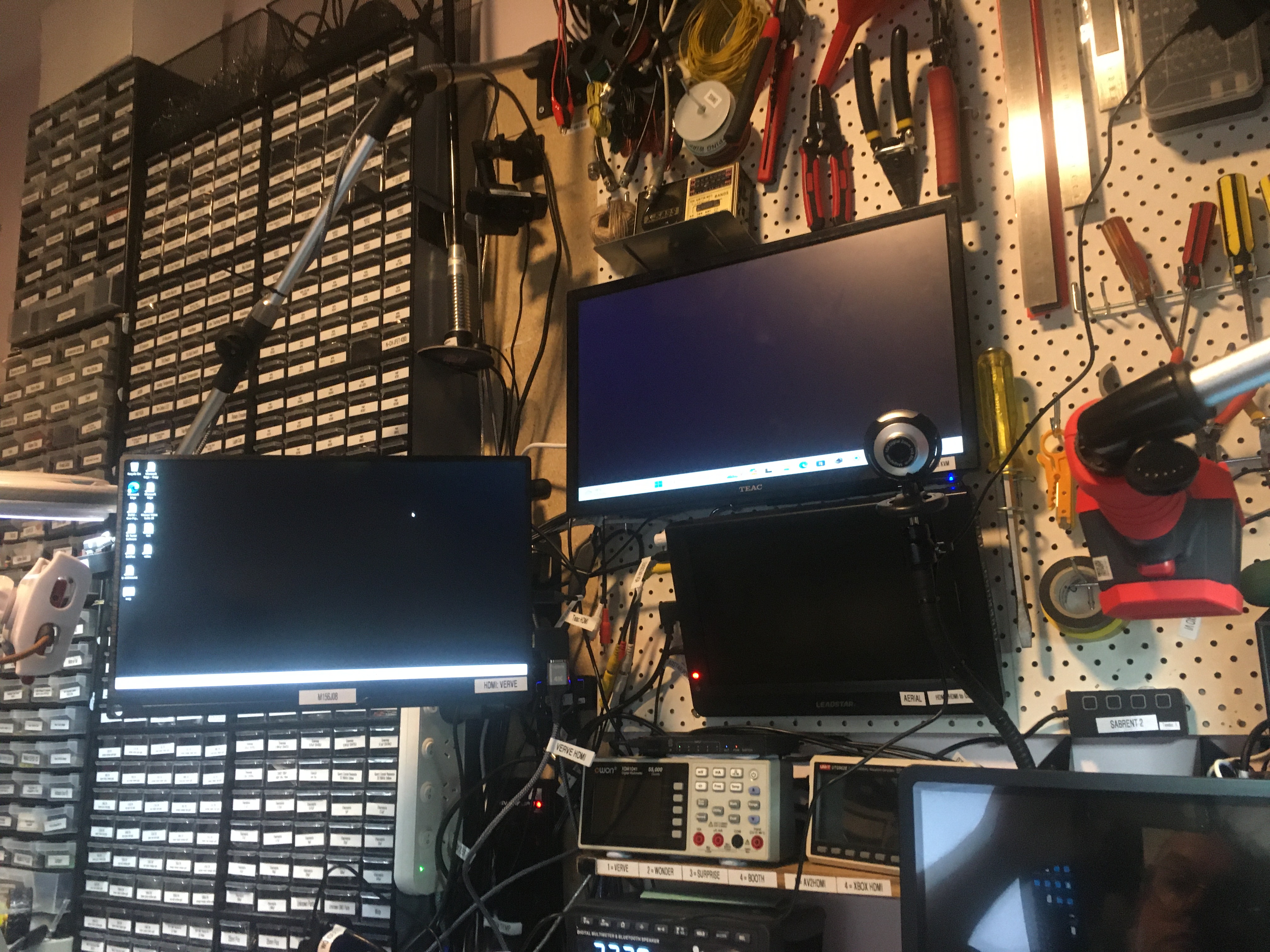
Cables for ‘verve‘ are all in. Just gonna do one boot to make sure it’s all working and then I will put the new tower in its place (to its left, on the right of the bench).
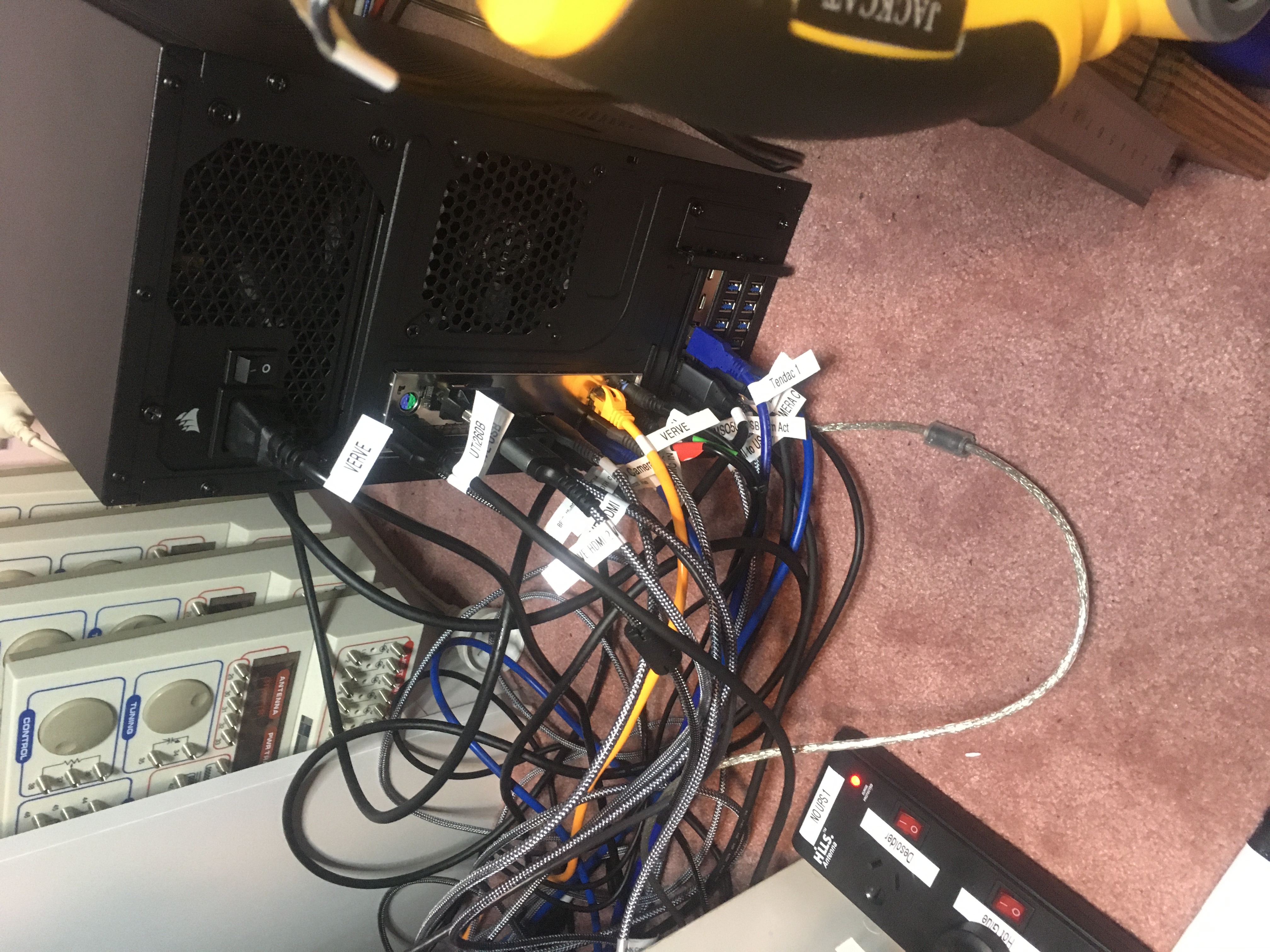
There’s nothing like being organized! There’s nothing like having the right equipment!
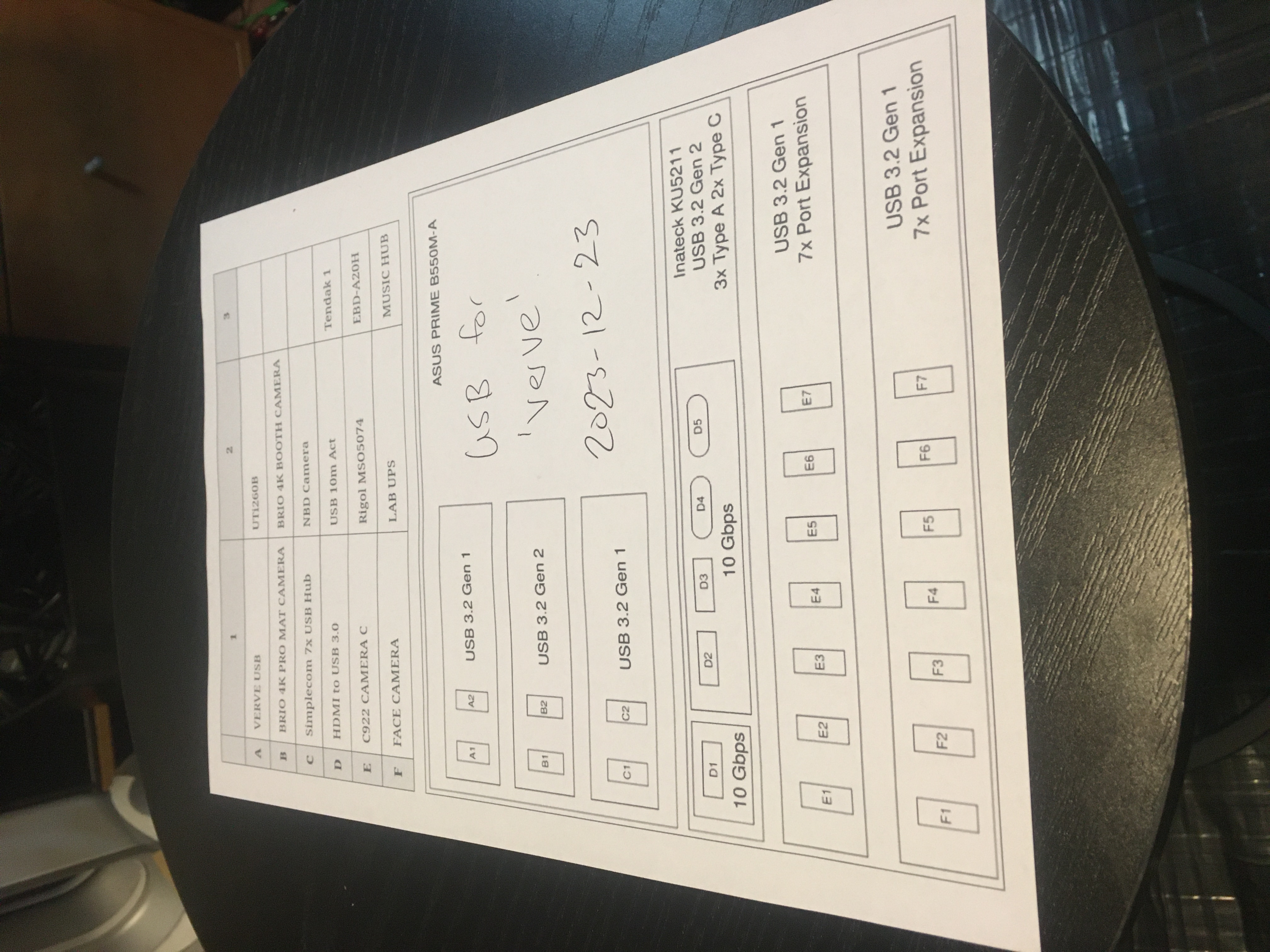
By my count I have 25 USB ports on the back of ‘verve‘ and I’m already planning to use 15.
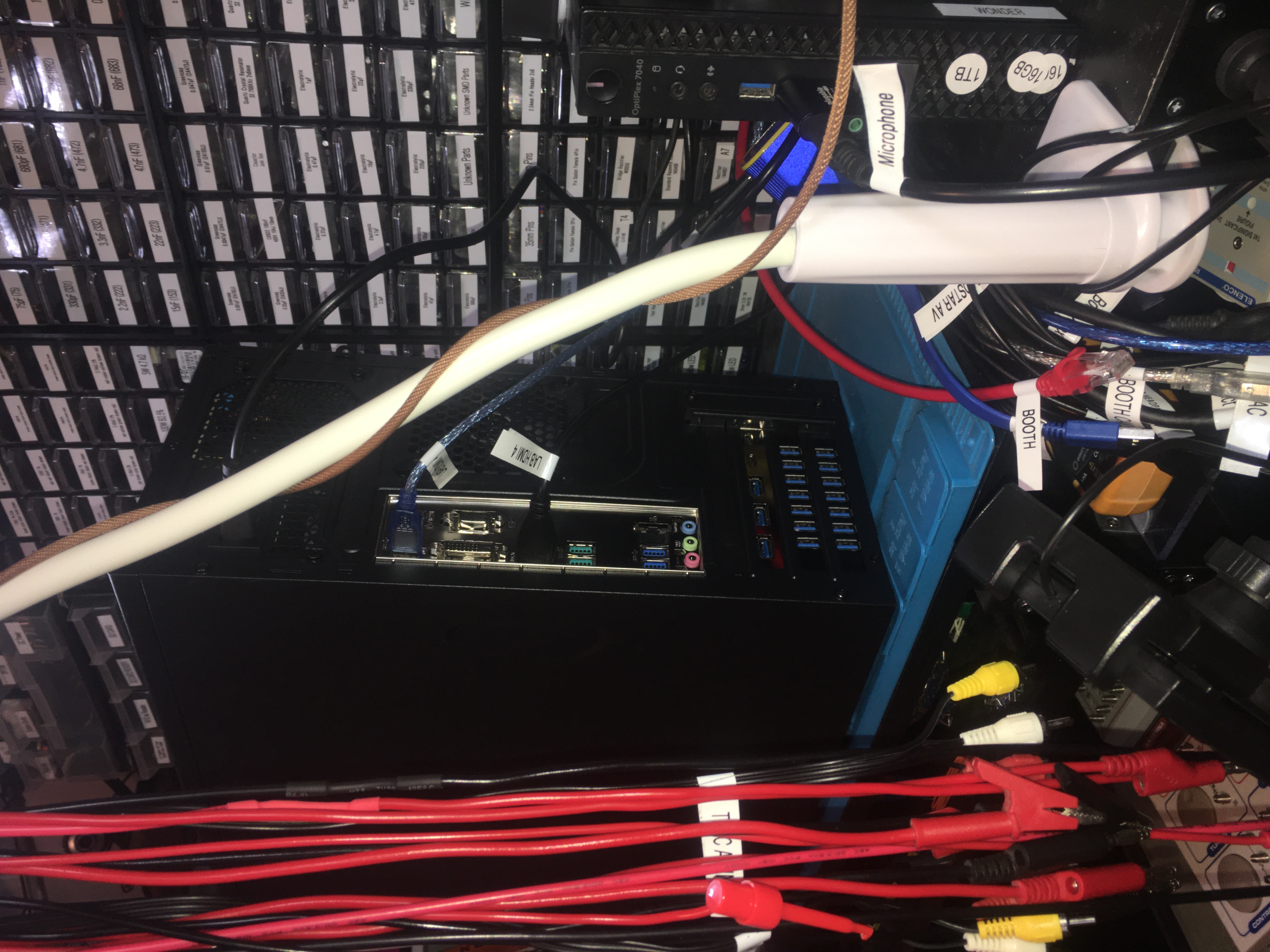
The lab upgrade is going fairly well. I have to say I’m a bit impatient for my ‘verve‘ hardware to arrive. The CPU is here, just waiting for the case, PSU, and RAM. And one of the PCIe adapters.
That bunch of cables on the floor is roughly where ‘verve’ will go when it gets here and has been assembled.
I have the first draft of the USB cabling for ‘verve’.
I’ve been refactoring my bench.