I have a new post on Hackaday: Anker Soundcore Space A40 Earbuds Teardown.
Anker Soundcore Space A40 Earbuds Teardown
Reply

I have a new post on Hackaday: Anker Soundcore Space A40 Earbuds Teardown.
This post is part of my video blog and you can find more information about this video over here.
You can support this channel on Patreon: patreon.com/JohnElliotV
Silly Job Title: Solder Soldier.
In this video we take a look at what arrived from AliExpress:
Thanks very much for watching! And please remember to hit like and subscribe! :)
Following is a product I use picked at random from my collection which may appear in my videos. Clicking through on this to find and click on the green affiliate links before purchasing from eBay or AliExpress is a great way to support the channel at no cost to you. Thanks!
Yum Cha Mini Magnetic Precision Screwdriver Set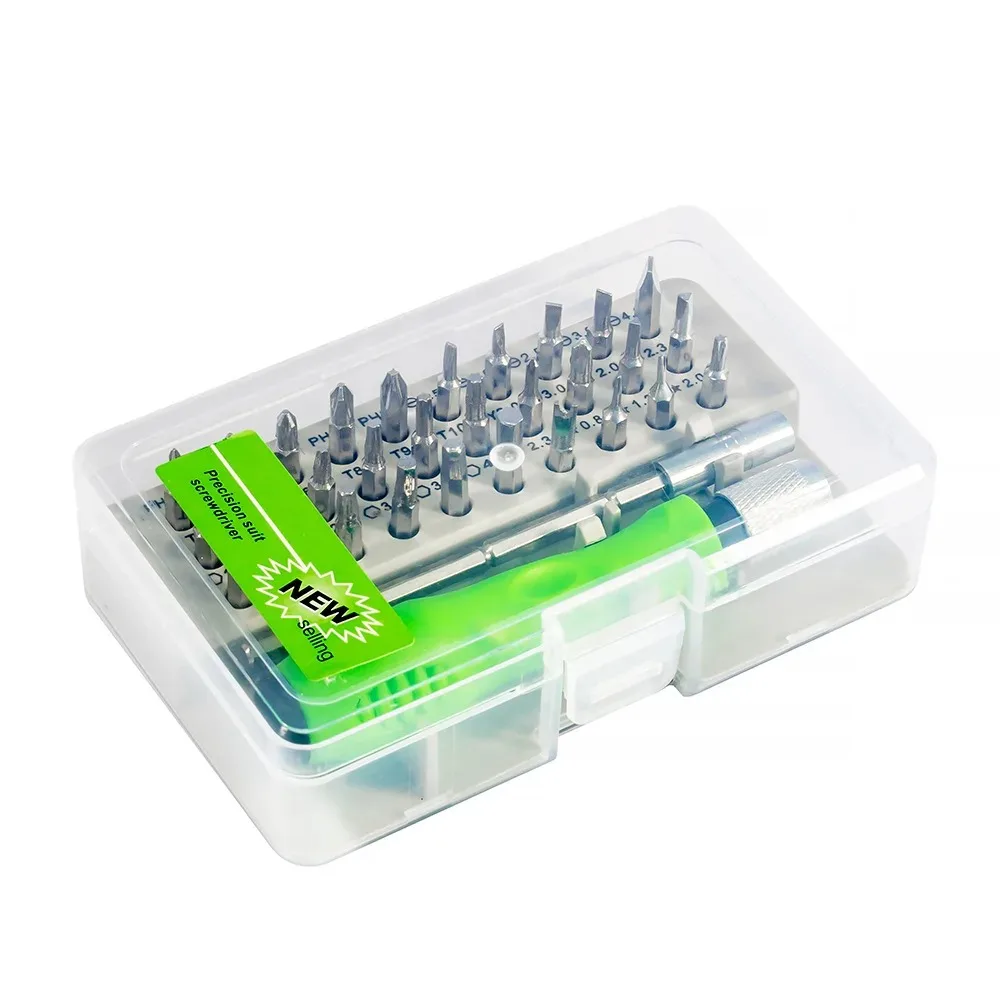 notes notes |
Let’s go shopping!
I have a new post on Hackaday: Scott Baker’s Magnetic Bubble Memory Mega-Post.
This post is part of my video blog and you can find more information about this video over here.
You can support this channel on Patreon: patreon.com/JohnElliotV
Silly Job Title: Bolt Baron.
In this video we take a look at some resistors which arrived from China:
Thanks very much for watching! And please remember to hit like and subscribe! :)
Following is a product I use picked at random from my collection which may appear in my videos. Clicking through on this to find and click on the green affiliate links before purchasing from eBay or AliExpress is a great way to support the channel at no cost to you. Thanks!
PowerShield Defender 1200 UPS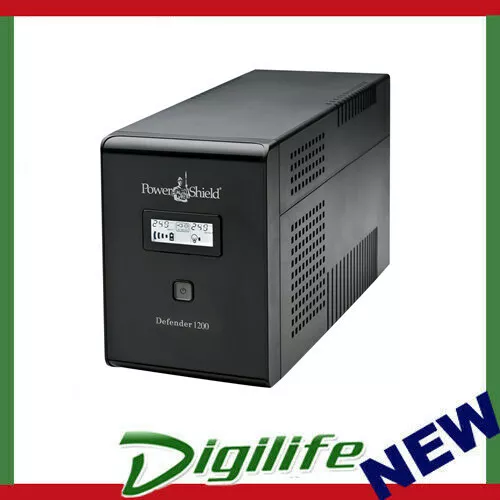 |
Let’s go shopping!
I have a new post on Hackaday: Repairing A Tektronix 577 Curve Tracer.
This post is part of my video blog and you can find more information about this video over here.
You can support this channel on Patreon: patreon.com/JohnElliotV
Silly Job Title: Relay Renegade.
In this video we build project #1 of our Maxitronix 30in1, the Intro Project.
We use the Rigol MSO5074 Mixed Signal Oscilloscope to examine our circuit.
We use the UNI-T UTi260B Thermal Imager to examine the thermals.
We use the EEVblog BM2257 Digital Multimeter to test continuity and measure current and resistance.
We use the Peak Electronic Design Atlas LCR45 LCR Meter to get vital statistics for our transformer and piezo earphone.
We use the Riden RD6006 Bench Power Supply to power our test circuit.
We use the Horusdy Soldering Station with Hot Air Gun to shrink our heat shrink.
We use the Scotch Titanium Scissors to cut our heat shrink.
We use the Plato Model 170 Wire Cutter to cut wire.
Thanks very much for watching! And please remember to hit like and subscribe! :)
Following is a product I use picked at random from my collection which may appear in my videos. Clicking through on this to find and click on the green affiliate links before purchasing from eBay or AliExpress is a great way to support the channel at no cost to you. Thanks!
Yum Cha 10pc File & Rasp Set Metal File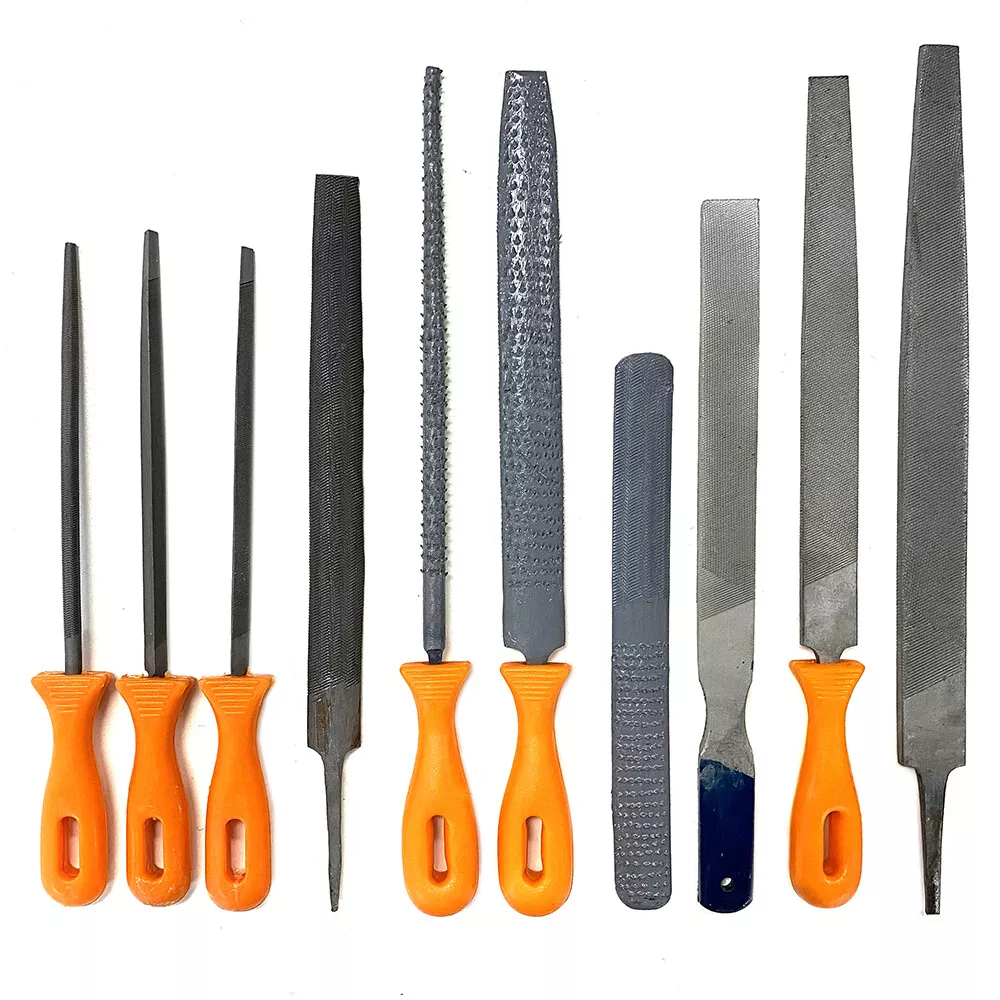 |
Let’s go shopping!
I have a new post on Hackaday: One ROM: The Latest Incarnation Of The Software Defined ROM.
I have a new post on Hackaday: Building A Halloween Vending Computer That Talks.
This post is part of my video blog and you can find more information about this video over here.
You can support this channel on Patreon: patreon.com/JohnElliotV
Silly Job Title: Switch Switcher.
In this video we build two circuits for Learning the Art of Electronics.
The pre-reading for today is up to and including page 18 of the course work. So if you have the book try to get that reading done.
In this video we test a circuit and its Thévenin model to see that they behave as expected. They do! But I’m still trying to get my head around all of the details…
I mention about my decade boxes. The good one is this one: Multicomp Pro MP701033 Resistor Box (I have ordered two more of these) and the crappy ones are these ones: Yum Cha J15026-2 6-Knob Resistor Box.
I also mention about the analog multimeters, this is the crappy one I have: Yum Cha MF-110A Analog VOM Handheld Multimeter and this is the slightly less crap one which I have on order: Pro’sKit MT-2207-C Analog VOM Handheld Multimeter.
In the video:
We use the METCAL PS-900 Soldering Station for soldering.
We use the EEVblog BM2257 Digital Multimeter to get our voltage and current readings.
We use the Riden RD6006 Bench Power Supply to power our test circuits.
We use the Brother P-Touch D210 Label Maker to label our circuits.
We use the Scotch Titanium Scissors to cut things.
We use the Carpenter Mechanical Pencil for writing our notes.
We use the Hakko CHP 3C-SA Precision Tweezers to do precision work.
We use the Plato Model 170 Wire Cutter to trim our leads and wires.
Thanks very much for watching! And please remember to hit like and subscribe! :)
Following is a product I use picked at random from my collection which may appear in my videos. Clicking through on this to find and click on the green affiliate links before purchasing from eBay or AliExpress is a great way to support the channel at no cost to you. Thanks!
JST XH2.54 Connector Kit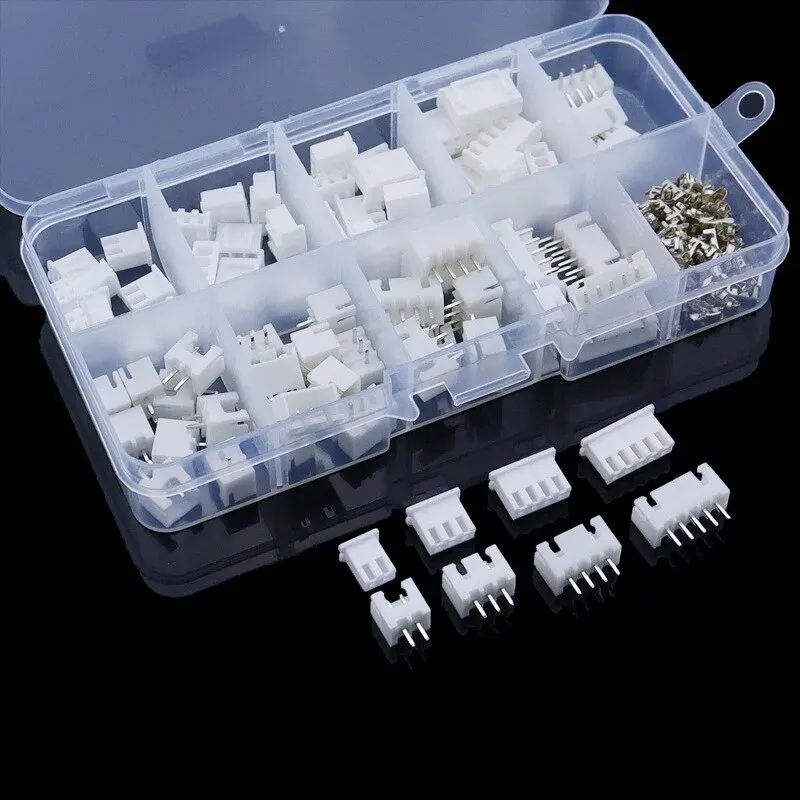 |
Let’s go shopping!
I have a new post on Hackaday: The Latest Projects From Cornell’s ECE 4760/5730.