
I made a cable!

Been pottering in my lab:
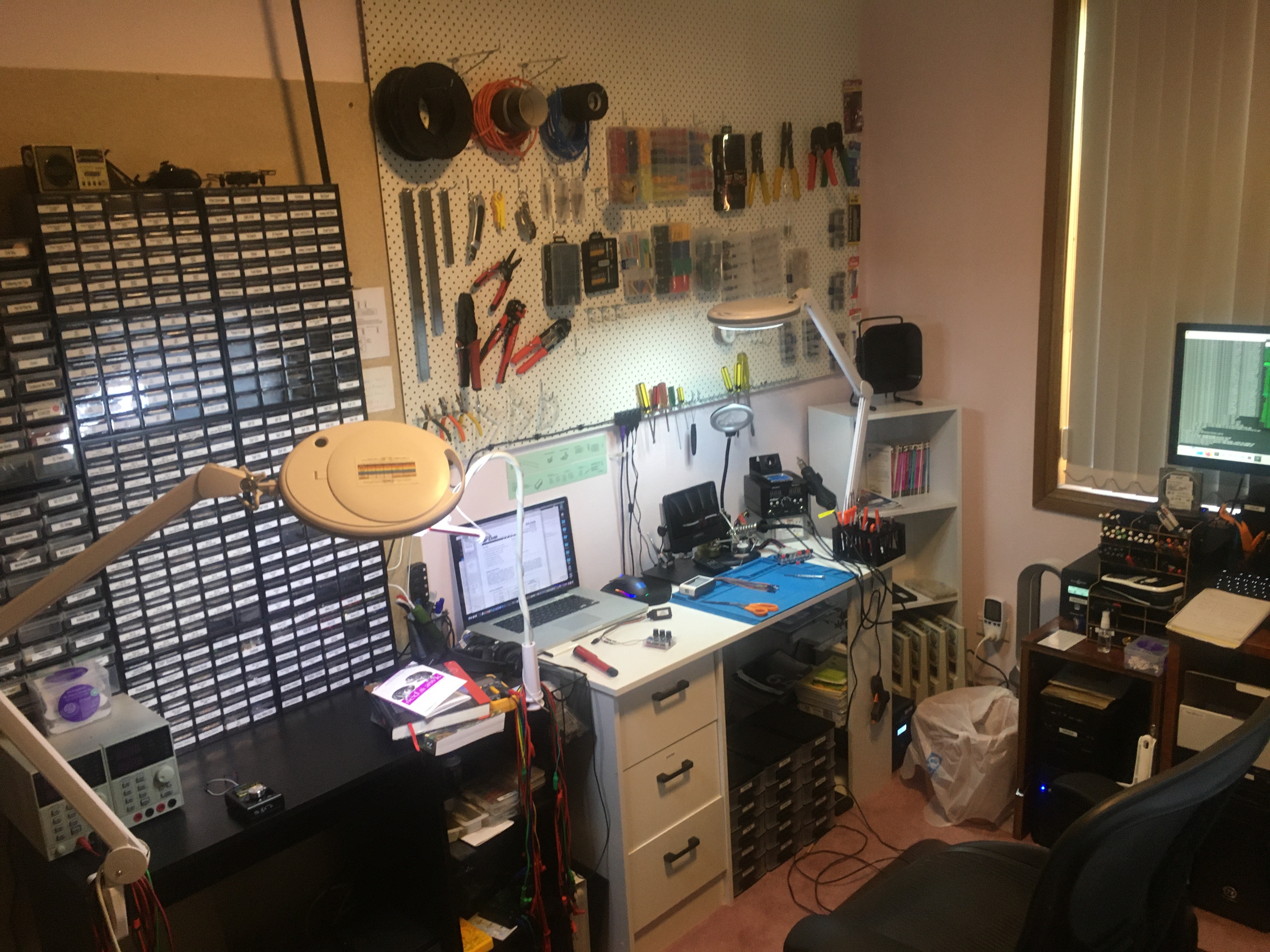
I have this USB Logic Analyzer which I want to test:
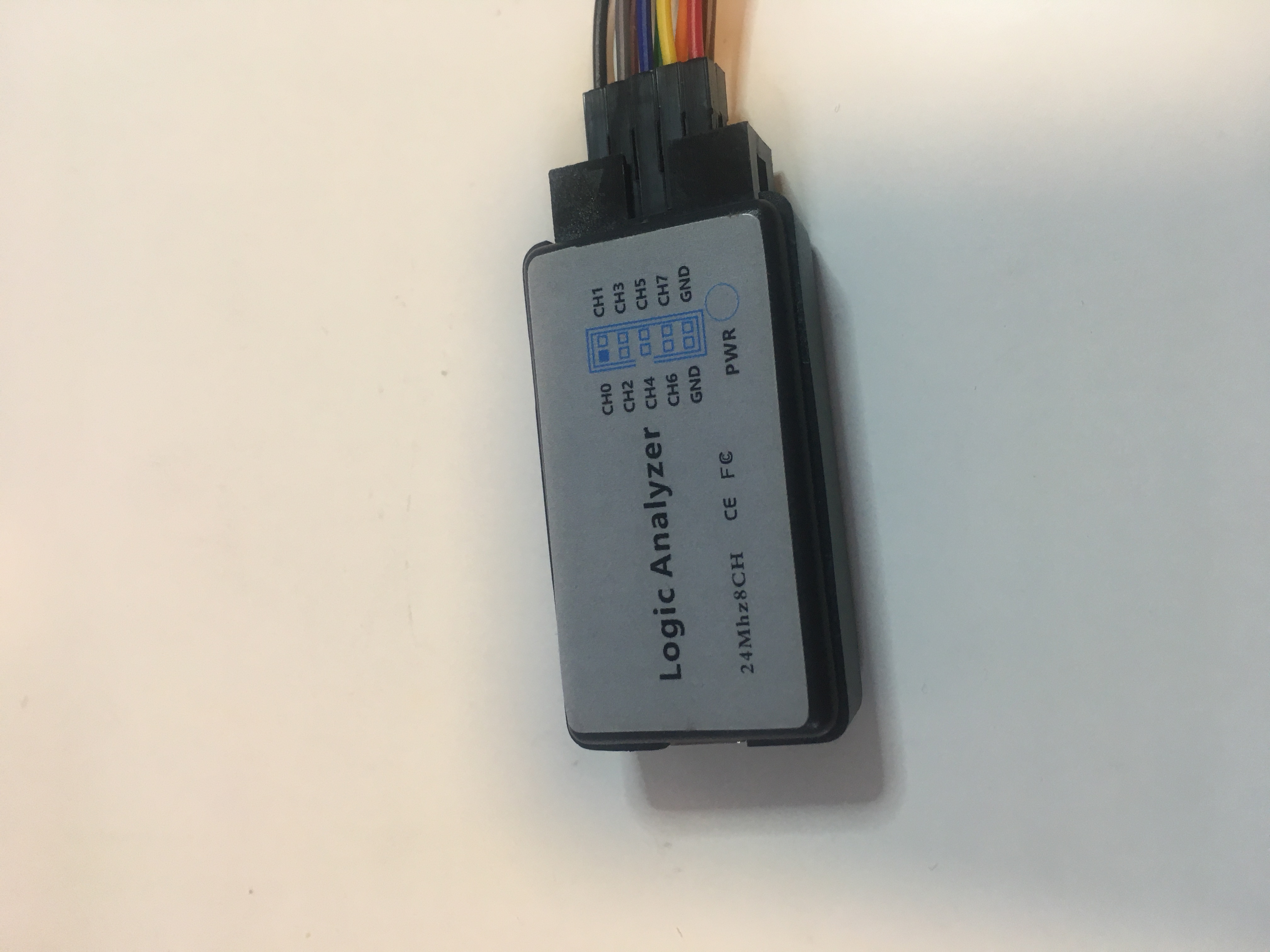
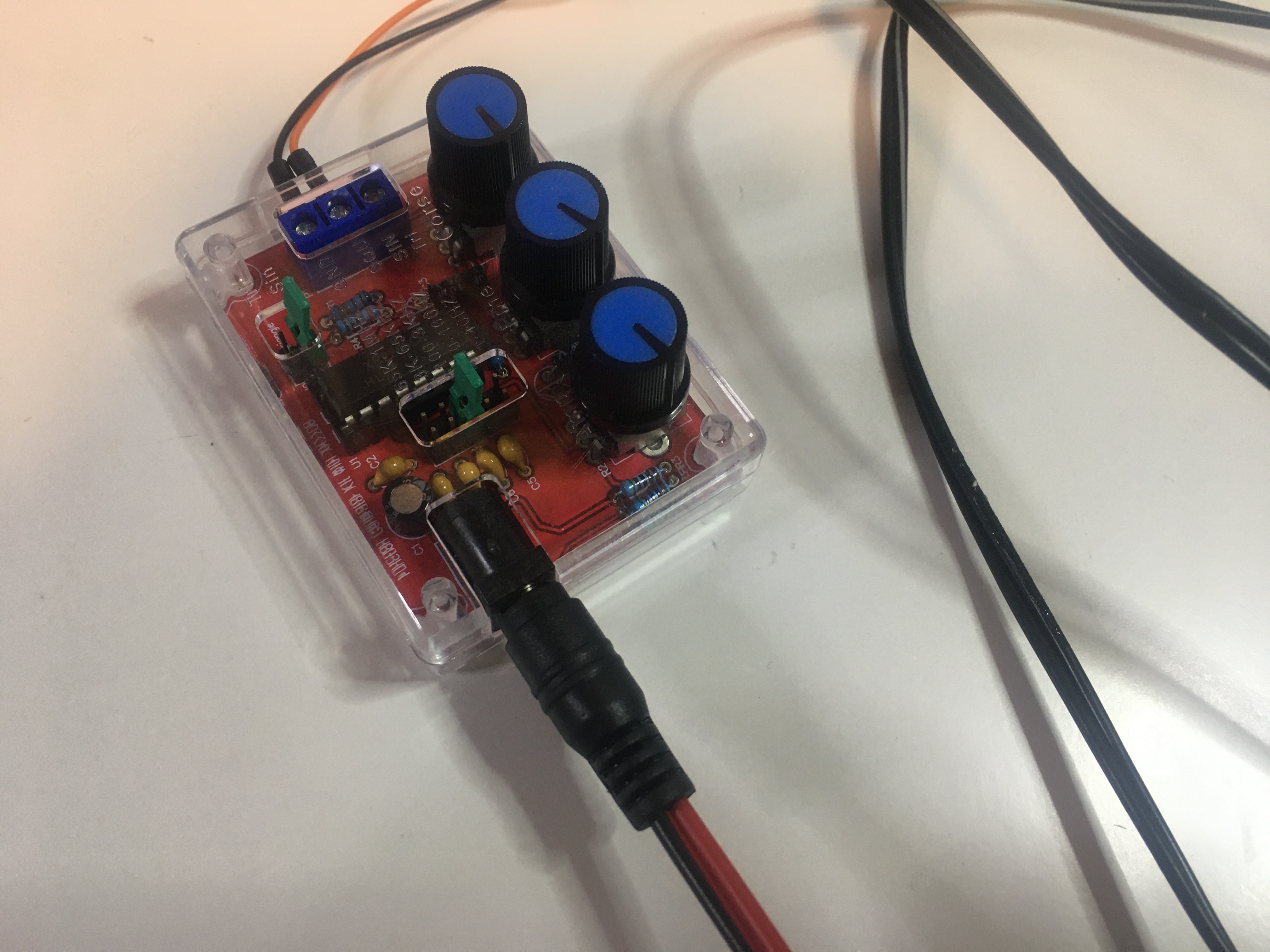
Figured this was a great chance to try out my new XR2206 function generator:
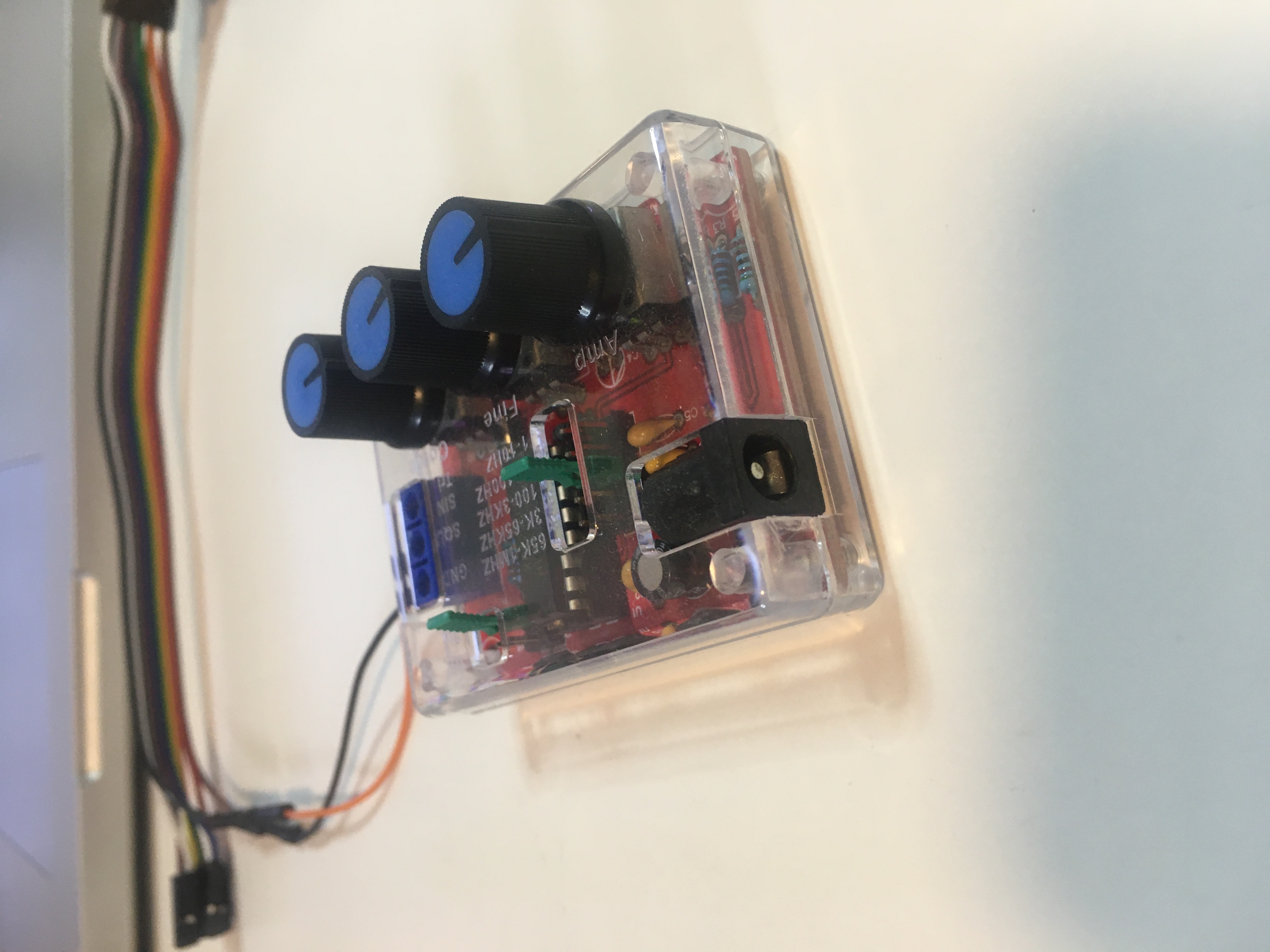
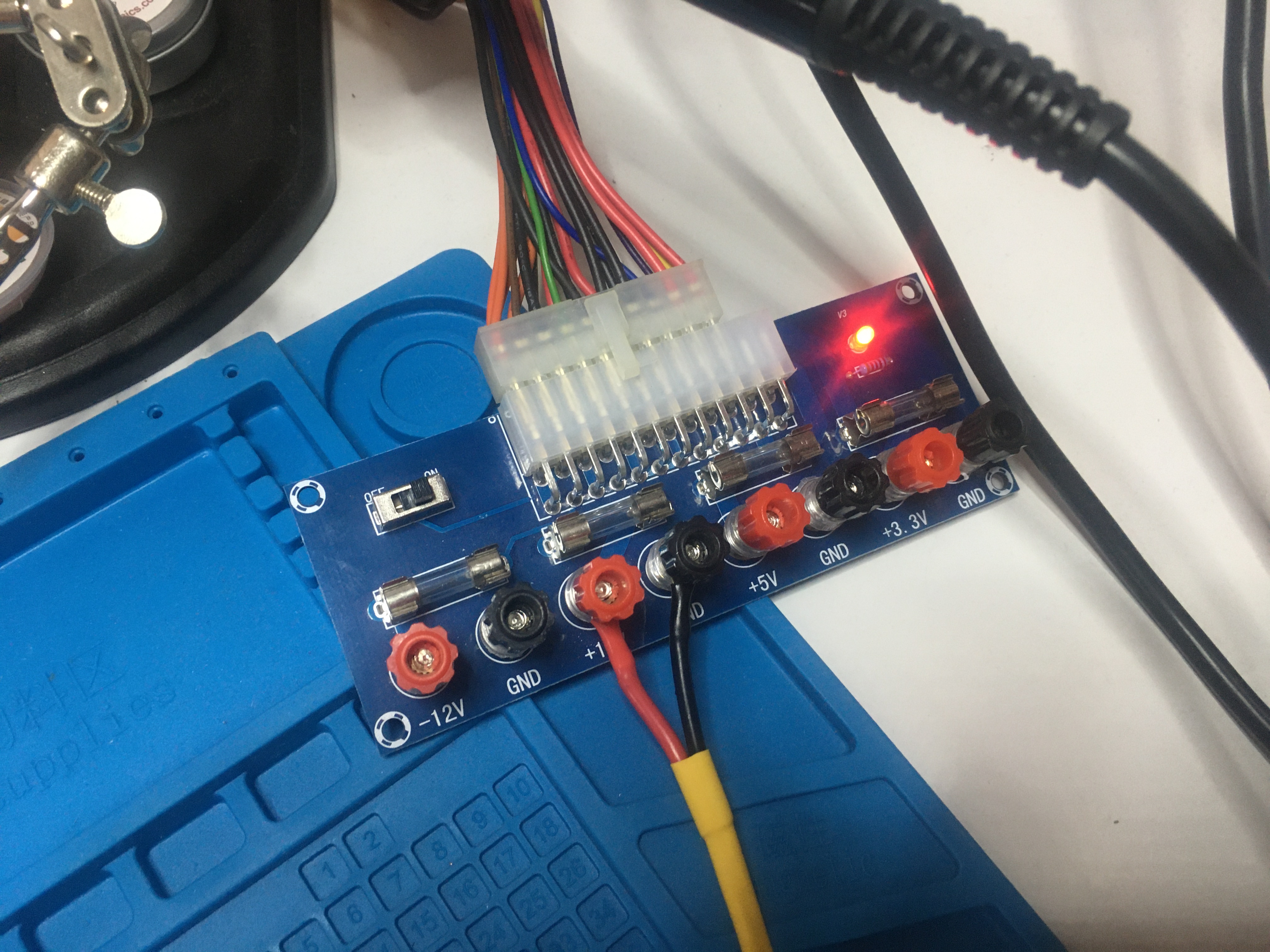
Hmm. Needs power! The XR2206 datasheet said it could support a wide supply range, from 10V to 26V. Figured this was a good chance to try out my new ATX power break out board:
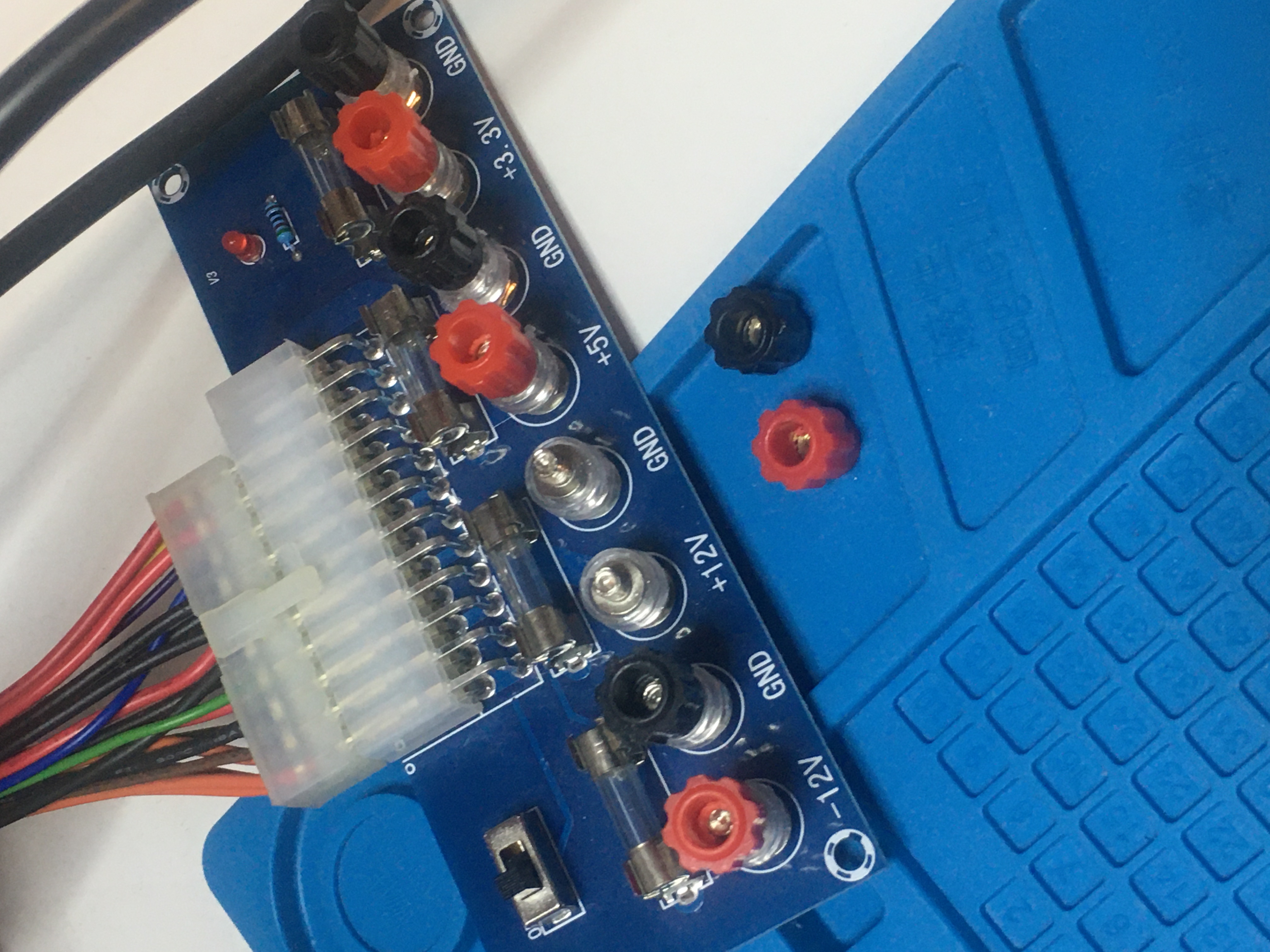
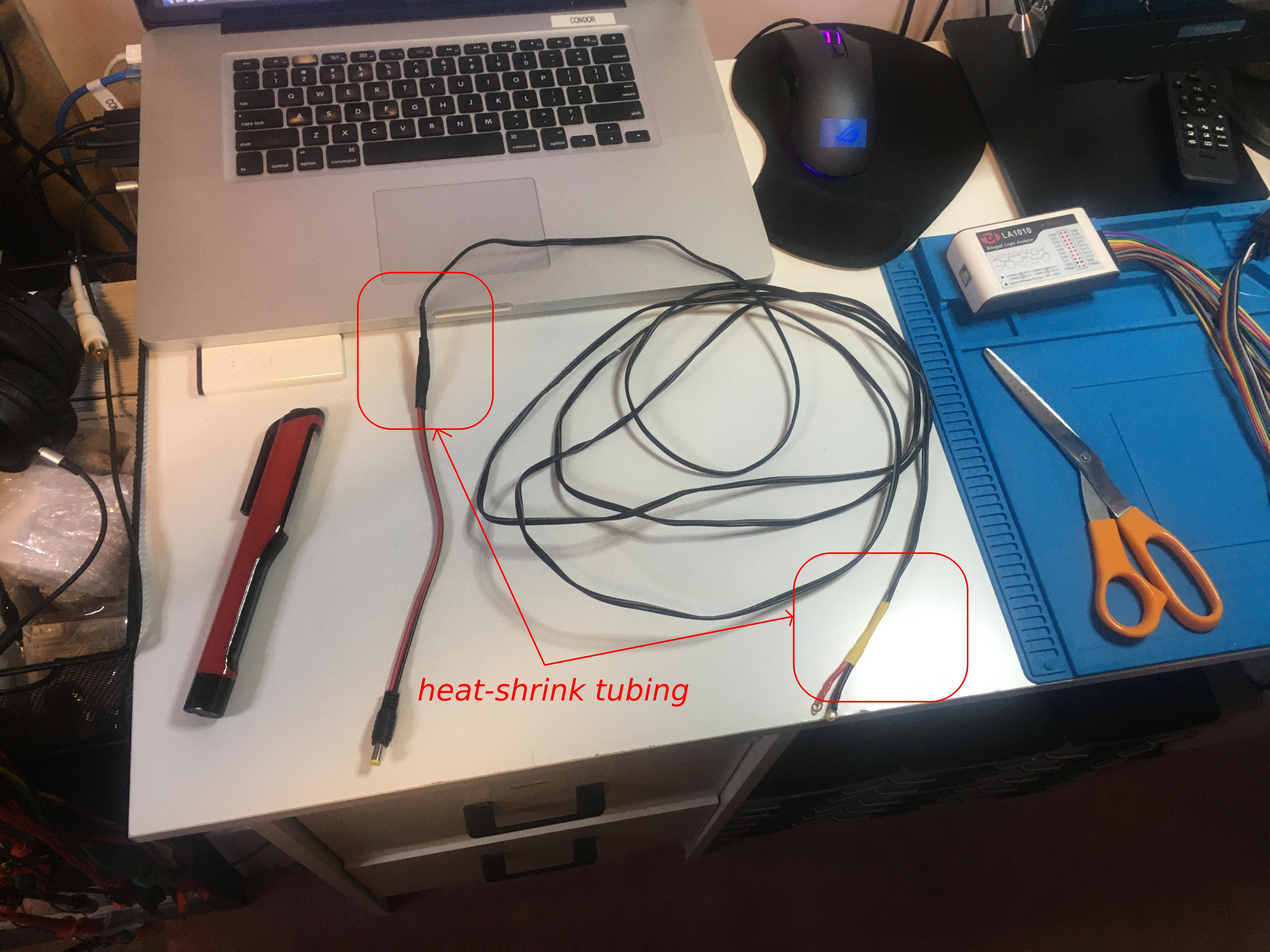
I need a power cable from round lugs on the ATX supply:
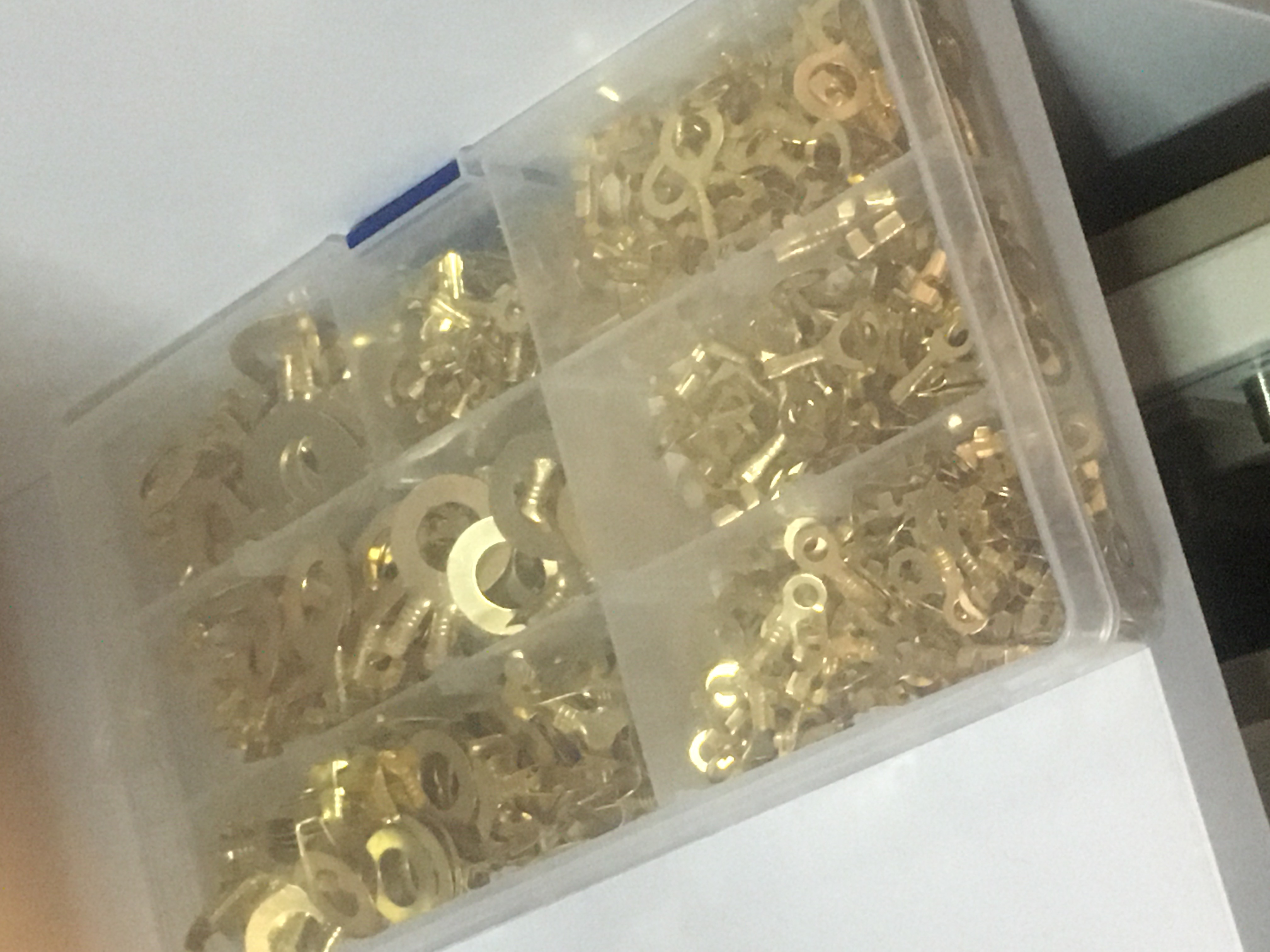

to DC male for the function generator:
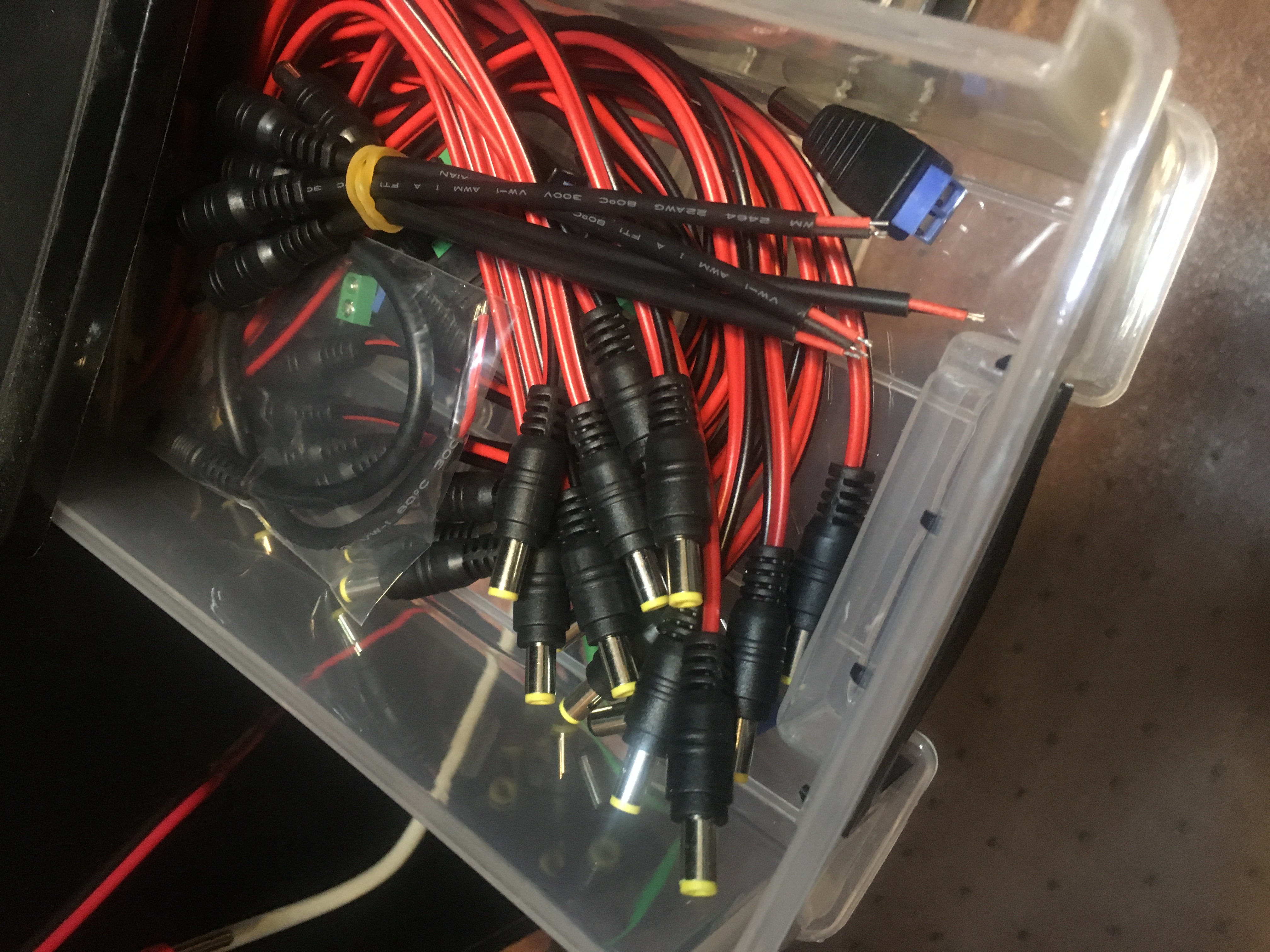
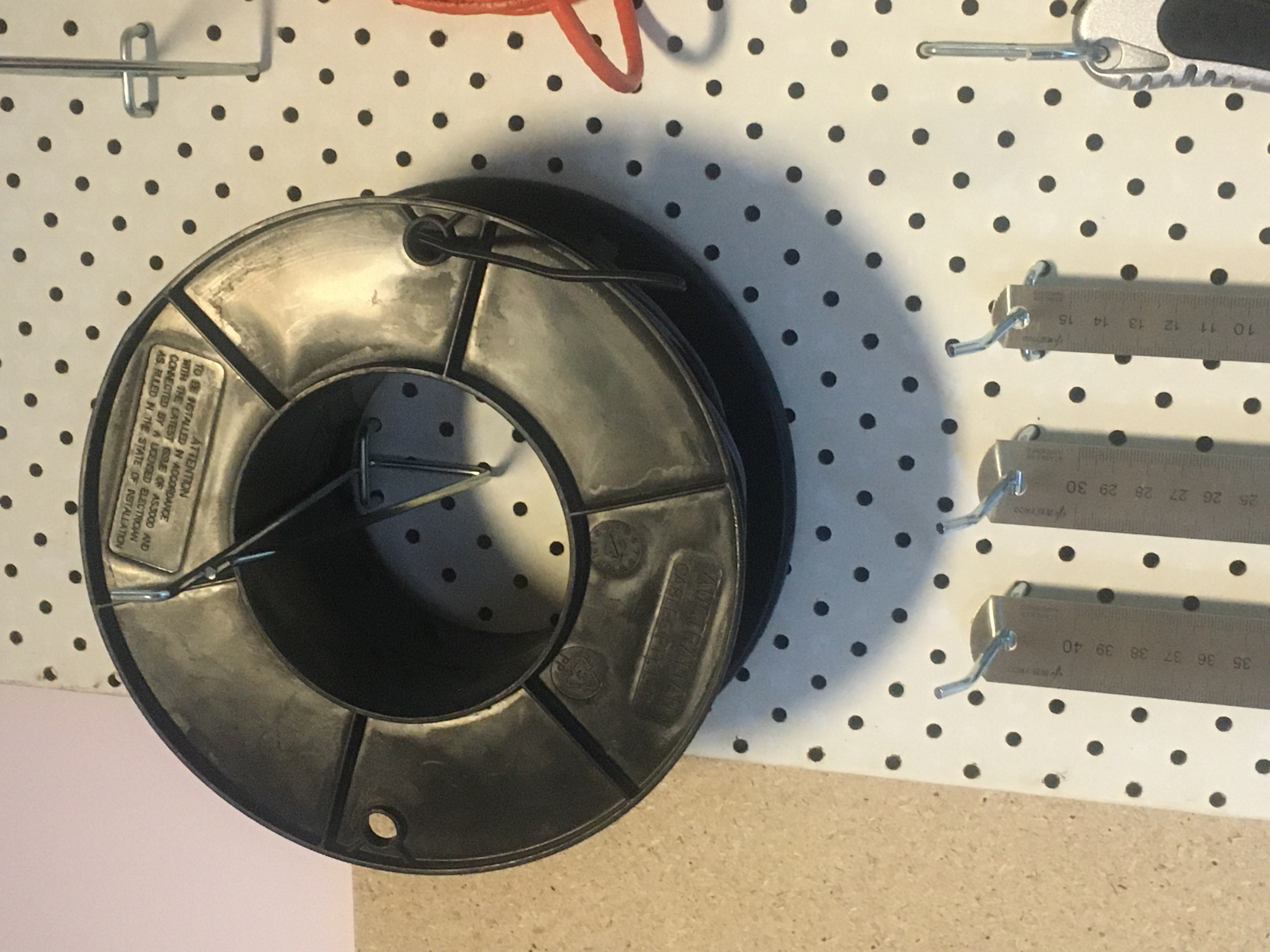
connected with a good length of wire:
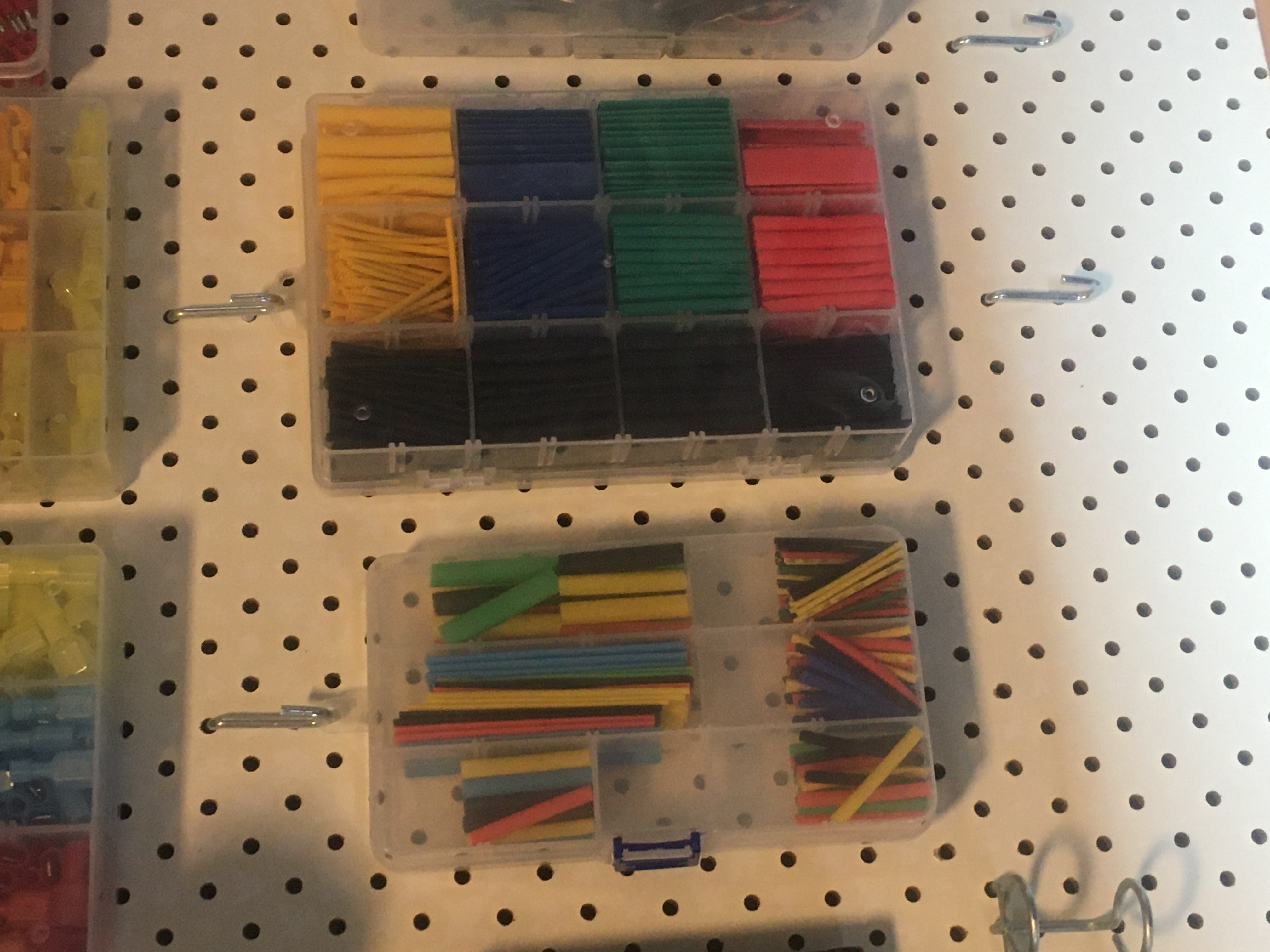
and professionally finished with heat-shrink tubing:
had to break out my soldering station:
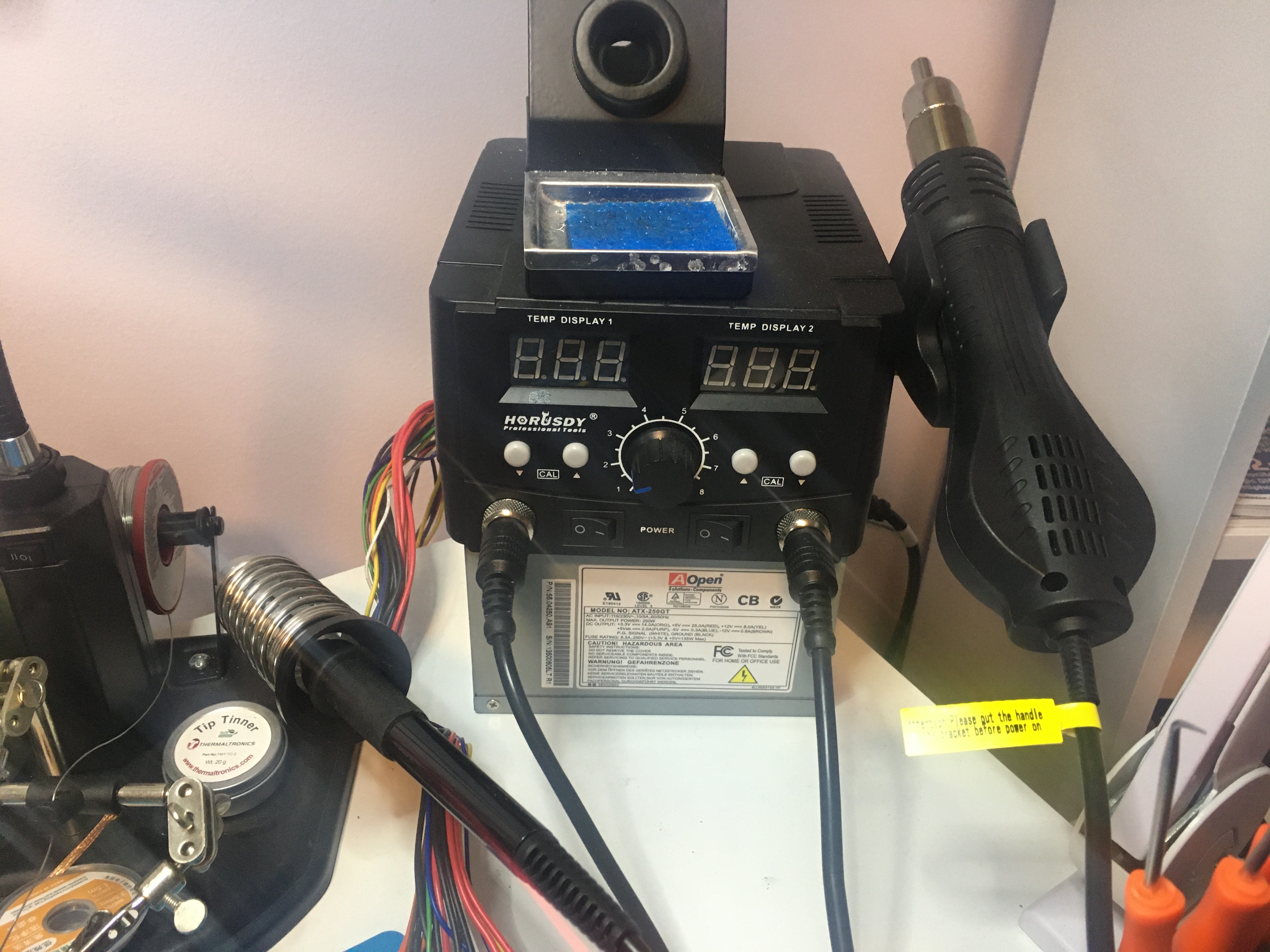
and make myself a power cable:
to connect the ATX power supply:
to the function generator:
Testing the logic analyzer can wait for another day. :)

Checking ashift on existing pools

Today I found: Checking ashift on existing pools. In summary:

# zpool get all | grep ashift
# zpool get all | less
# zdb -C | grep ashift
# zdb -C | less
# zdb -U /etc/zfs/zpool.cache | less

Per ZFS 101—Understanding ZFS storage and performance you *really* want to make sure your ashift value is aligned with your disk’s sector size. ashift=9 for 512; ashift=12 for 4096; I’ve heard some SSDs can be 8K, but I haven’t been able to confirm for my own disks.

300in1 diodes

I made some notes about my 300in1 diodes. I have switching diodes, rectifier diodes, zener diodes, and germanium diodes. One thing to note is that germanium diodes are supposed to have a forward voltage of 300mV. One diode I thought was a germanium diode (it was clear with two black bands but no other markings) had a forward voltage of 600mV, I’m not sure what’s up with that, so I put it in my “unknown parts” drawer.