The Sunrise-Sunset Light | Project 7/30 | Maxitronix 30in1 | In The Lab With Jay Jay

You can support this channel on Patreon: patreon.com/JohnElliotV

This post is part of my video blog and you can find more information about this video.

Silly Job Title: Systems Architect. I am the Systems Architect!

In this video we continue to work through our Maxitronix 30in1, today doing project #7: The Sunrise-Sunset Light. In this project we see how an electrolytic capacitor can control and NPN transistor. By varying the resistor and capacitor we can change the timings of the circuit.

We use the EEVblog BM2257 Digital Multimeter to measure current and voltage.

We use the Kaisi S-160 45x30cm Repair Mat as our workspace.

Thanks very much for watching! And please remember to hit like and subscribe! :)


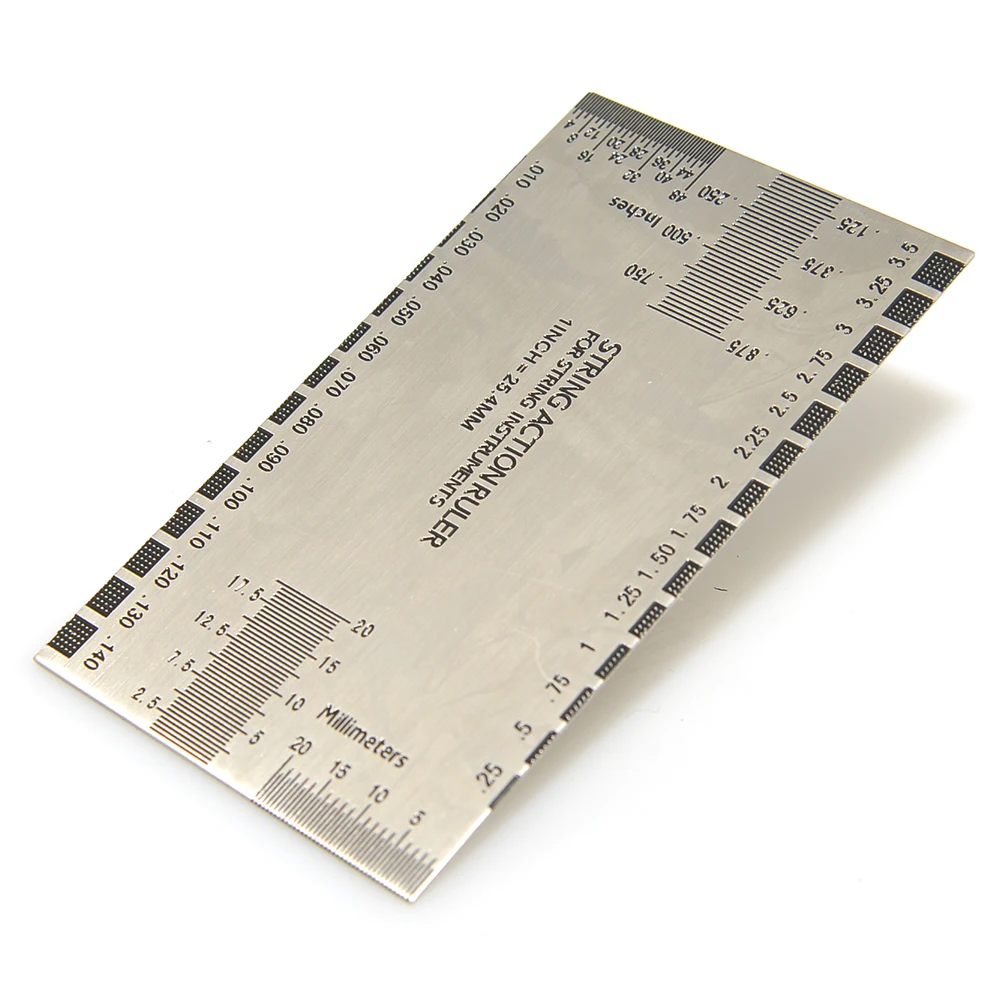
Following is a product I use picked at random from my collection which may appear in my videos. Clicking through on this to find and click on the green affiliate links before purchasing from eBay or AliExpress is a great way to support the channel at no cost to you. Thanks!

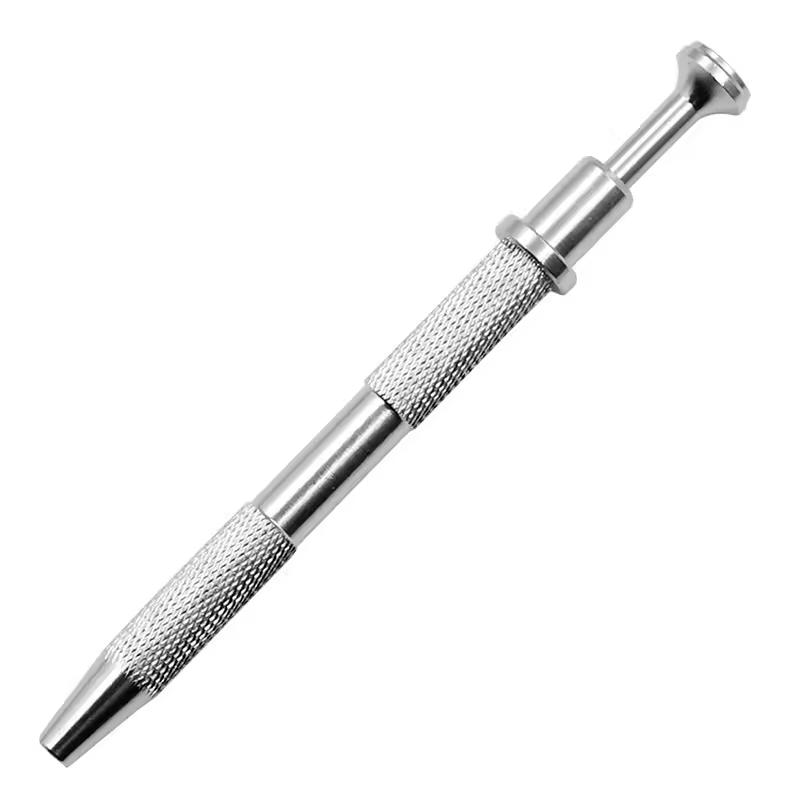
Yum Cha IC Extractor Claw IC Chip Pickup ToolThis is an image of the product.

Let’s go shopping!

The Transistor and “Amplification” | Project 6/30 | Maxitronix 30in1 | In The Lab With Jay Jay

This post is part of my video blog and you can find more information about this video.

You can support this channel on Patreon: patreon.com/JohnElliotV

Silly Job Title: Switch Sleuth. I am the Switch Sleuth!

In this video we continue to work through our Maxitronix 30in1, today doing project #6: The Transistor and “Amplification”. In this project we see how an NPN transistor acts as an amplifier.

The HFR trigger coupling I use at the end of the video is called High Frequency Reject, it hides high frequency components from the triggering system and in this case fixed our triggering issue. I haven’t used HFR trigger coupling before. The Rigol user manual for the MSO5000 series doesn’t explain the feature, it just says: “HFR: rejects the high frequency components”.

We use the Rigol MSO5074 Mixed Signal Oscilloscope to examine our input and output voltages, and also to provide a test sine wave for input.

We use the UNI-T UTi260B Thermal Imager to look at the thermals, but there wasn’t anything really to see.

We use the UNI-T UTG962E Signal Generator to provide an input signal, but we couldn’t get it to work properly so we used the signal generate from the scope instead.

We use the Kaisi S-160 45x30cm Repair Mat as our workspace.

Thanks very much for watching! And please remember to hit like and subscribe! :)


Following is a product I use picked at random from my collection which may appear in my videos. Clicking through on this to find and click on the green affiliate links before purchasing from eBay or AliExpress is a great way to support the channel at no cost to you. Thanks!

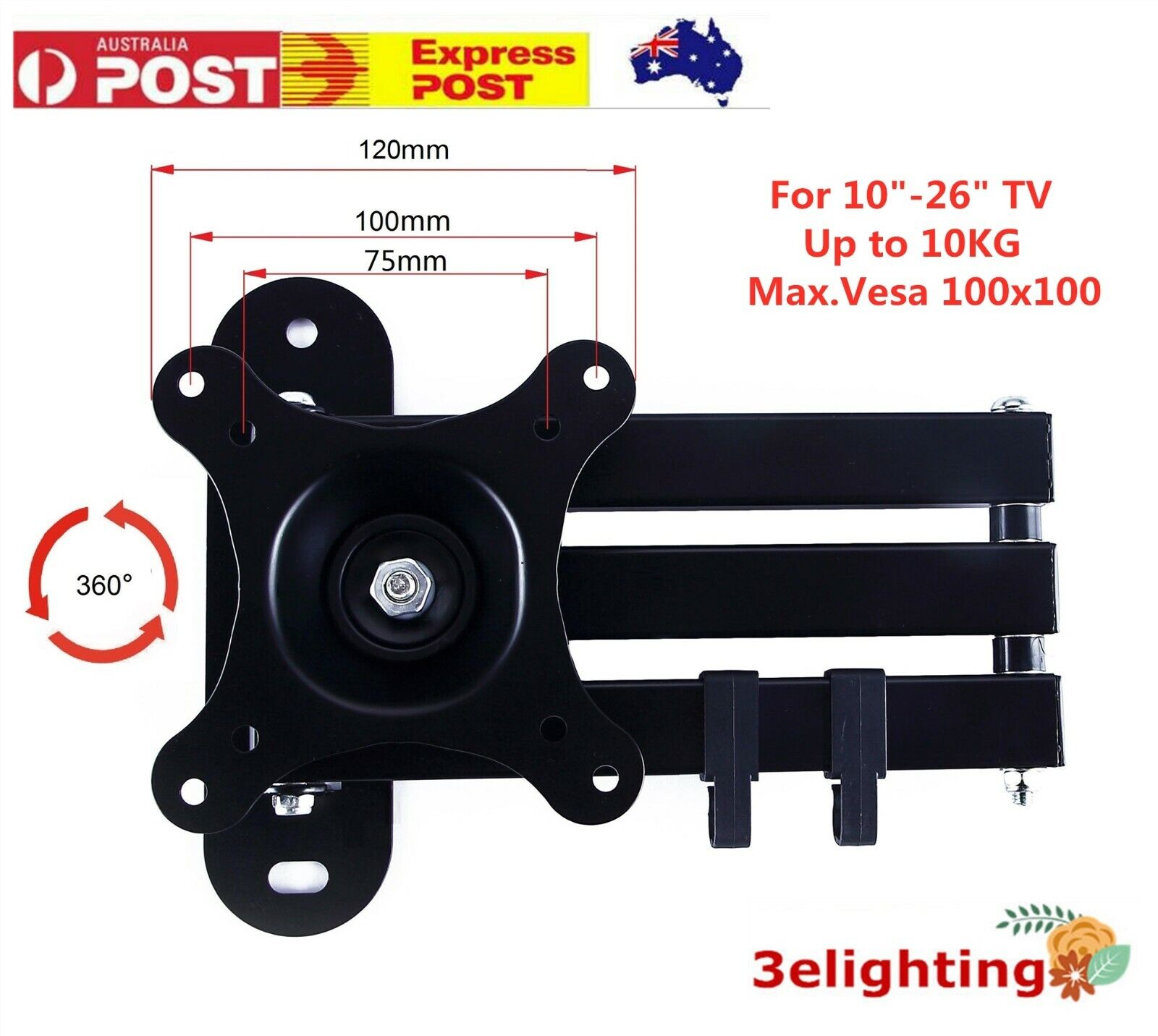
3ELIGHTING 10″-26″ VESA Wall MountThis is an image of the product.

Let’s go shopping!

The Transistor, an Electronic “Trigger” | Project 5/30 | Maxitronix 30in1 | In The Lab With Jay Jay

This post is part of my video blog and you can find more information about this video.

You can support this channel on Patreon: patreon.com/JohnElliotV

Silly Job Title: Power Provider. I am the Power Provider!

In this video we continue to work through our Maxitronix 30in1, today doing project #5: The Transistor, an Electronic “Trigger”. In this project we see how an NPN transistor works.

Thanks very much for watching! And please remember to hit like and subscribe! :)


Following is a product I use picked at random from my collection which may appear in my videos. Clicking through on this to find and click on the green affiliate links before purchasing from eBay or AliExpress is a great way to support the channel at no cost to you. Thanks!

Emenne 110111 Brush HolderThis is an image of the product.

Let’s go shopping!

The “Invisible Power” Radio | Project 4/30 | Maxitronix 30in1 | In The Lab With Jay Jay

This post is part of my video blog and you can find more information about this video.

You can support this channel on Patreon: patreon.com/JohnElliotV

Silly Job Title: Current Connoisseur. I am the Current Connoisseur!

In this video we continue to work through our Maxitronix 30in1, today doing project #4: The “Invisible Power” Radio. In this project we make a simple radio but it doesn’t work for us.

Thanks very much for watching! And please remember to hit like and subscribe! :)


Following is a product I use picked at random from my collection which may appear in my videos. Clicking through on this to find and click on the green affiliate links before purchasing from eBay or AliExpress is a great way to support the channel at no cost to you. Thanks!

Yum Cha Macro Programmable 8-Key Mechanical KeyboardThis is an image of the product.

Let’s go shopping!

The One-Way Street | Project 3/30 | Maxitronix 30in1 | Learning Electronics In The Lab With Jay Jay

This post is part of my video blog and you can find more information about this video.

You can support this channel on Patreon: patreon.com/JohnElliotV

Silly Job Title: Chief Fuse Blower. I am the Chief Fuse Blower!

In this video we continue to work through our Maxitronix 30in1, today doing project #3: The One-Way Street. In this project we learn a little more about diodes and LEDs.

We use the EEVblog BM2257 Digital Multimeter to investigate voltages within our circuit.

We use the Sharp EL-546L Scientific Calculator to do some basic calculations.

We use the Carpenter Mechanical Pencil to make our notes.

We use the Kaisi S-160 45x30cm Repair Mat as our workspace.

Thanks very much for watching! And please remember to hit like and subscribe! :)


Following is a product I use picked at random from my collection which may appear in my videos. Clicking through on this to find and click on the green affiliate links before purchasing from eBay or AliExpress is a great way to support the channel at no cost to you. Thanks!

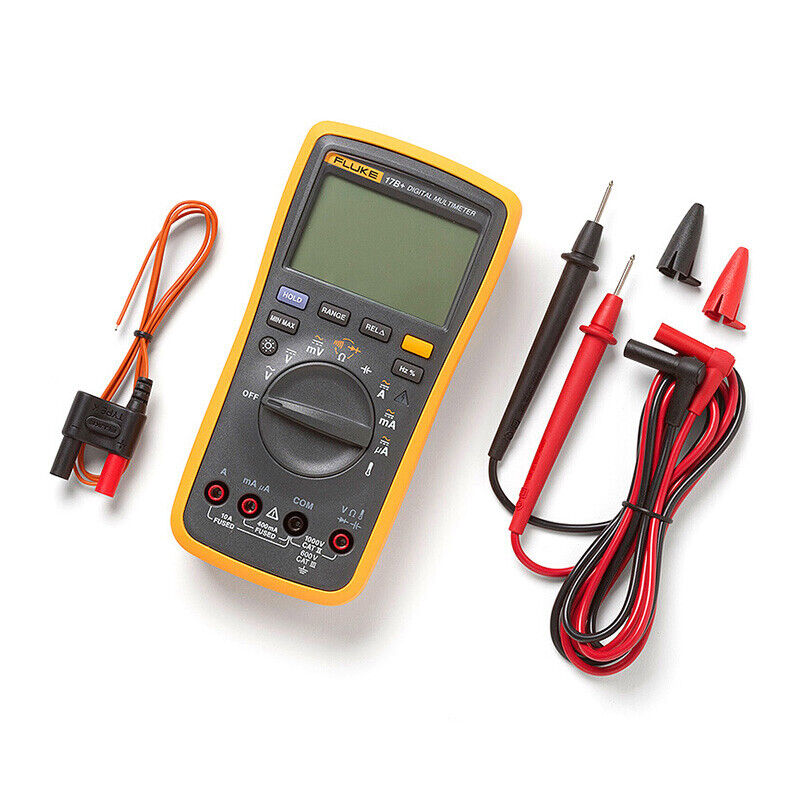
Fluke 17B+ Digital MultimeterThis is an image of the product.

Let’s go shopping!

The Electronic Storage Tank | Project 2/30 | Maxitronix 30in1 | In The Lab With Jay Jay

This post is part of my video blog and you can find more information about this video.

You can support this channel on Patreon: patreon.com/JohnElliotV

Silly Job Title: Tech Lead. I am the Tech Lead!

In this video we do the 2nd project from the Maxitronix 30in1 Electronics Project Lab Kit: The Electronic Storage Tank.

We use the Rigol MSO5074 Mixed Signal Oscilloscope to measure the voltage across the capacitor.

We use the UNI-T UTi260B Thermal Imager to check for thermal response (there was none).

We use the Riden RD6006 Bench Power Supply to provide 3V to our test circuit.

We use the EEVblog BM2257 Digital Multimeter to measure voltage across the capacitor.

We use the Peak Electronic Design Atlas DCA75 Pro Semiconductor Analyzer to measure the forward voltage of our LED.

We use the Kaisi S-160 45x30cm Repair Mat as our workspace.

Thanks very much for watching! And please remember to hit like and subscribe! :)


Following is a product I use picked at random from my collection which may appear in my videos. Clicking through on this to find and click on the green affiliate links before purchasing from eBay or AliExpress is a great way to support the channel at no cost to you. Thanks!

Rigol PLA2216 Compatible Logic ProbeThis is an image of the product.notes

Let’s go shopping!

Intro Project Fix from Jason Jacques | Project 1/30 | Maxitronix 30in1 | In The Lab With Jay Jay

This post is part of my video blog and you can find more information about this video.

You can support this channel on Patreon: patreon.com/JohnElliotV

Silly Job Title: Phase Pharaoh. I am the Phase Pharaoh!

In this video we revise Project 1 of our Maxitronix 30in1 by incorporating some feedback received from fellow YouTuber Jason Jacques. Thanks Jason!

Will will pick up at Project 2 next week.

Thanks very much for watching! And please remember to hit like and subscribe! :)


Following is a product I use picked at random from my collection which may appear in my videos. Clicking through on this to find and click on the green affiliate links before purchasing from eBay or AliExpress is a great way to support the channel at no cost to you. Thanks!

SUNSHINE Hard Brush SetThis is an image of the product.notes

Let’s go shopping!

Intro Project | Project 1/30 | Maxitronix 30in1 | Learning Electronics In The Lab With Jay Jay

This post is part of my video blog and you can find more information about this video over here.

You can support this channel on Patreon: patreon.com/JohnElliotV

Silly Job Title: Relay Renegade.

In this video we build project #1 of our Maxitronix 30in1, the Intro Project.

We use the Rigol MSO5074 Mixed Signal Oscilloscope to examine our circuit.

We use the UNI-T UTi260B Thermal Imager to examine the thermals.

We use the EEVblog BM2257 Digital Multimeter to test continuity and measure current and resistance.

We use the Peak Electronic Design Atlas LCR45 LCR Meter to get vital statistics for our transformer and piezo earphone.

We use the Riden RD6006 Bench Power Supply to power our test circuit.

We use the Horusdy Soldering Station with Hot Air Gun to shrink our heat shrink.

We use the Scotch Titanium Scissors to cut our heat shrink.

We use the Plato Model 170 Wire Cutter to cut wire.

Thanks very much for watching! And please remember to hit like and subscribe! :)


Following is a product I use picked at random from my collection which may appear in my videos. Clicking through on this to find and click on the green affiliate links before purchasing from eBay or AliExpress is a great way to support the channel at no cost to you. Thanks!

Yum Cha 10pc File & Rasp Set Metal FileThis is an image of the product.

Let’s go shopping!

Electronics Project #12: Making an LED Heart | Learning Electronics In The Lab With Jay Jay

This post is part of my video blog and you can find more information about this video over here.

You can support this channel on Patreon: patreon.com/JohnElliotV

Silly Job Title: Bit Distinguisher.

In this video we build an LED heart. It is beautiful and green.

The schematic and instructions are these:

Instructions in Chinese

Schematic in Chinese

As we discover in the video this circuit is an astable multivibrator made with two op-amps provided by an LM358.

I mention that my copy of Learning the Art of Electronics: A Hands-On Lab Course 2nd Edition has arrived. Very happy about that! I will be getting on with the notes for these very soon.

I mention about the two Logitech BRIOs that I have installed as my “maths cam”. This will enable me to record my maths videos, which I am planning to start soon. I will be working through my old high school mathematics textbooks starting with Signpost 7.

I mentioned my Spivak calculus book, and my Stewart calculus book too, but I can’t seem to find my copy of that at Amazon. If you’re interested in such things check out Calculus by Spivak from Learning as a hobby.

We use the METCAL PS-900 Soldering Station for soldering.

We use the Peak Electronic Design Atlas DCA75 Pro Semiconductor Analyzer to check our NPN transistor.

We use the Peak Electronic Design Atlas LCR45 LCR Meter to check our resistors and capacitor.

We use the Riden RD6006 Bench Power Supply to provide 5V for testing.

We use the Yizhan Digital Microscope to have a closer look at a few things.

We use the Hakko CHP 3C-SA Precision Tweezers for working with small parts.

I mention about these bins which I have purchased recently. They are cheap and a good size but my experience is that the material is very brittle and prone to breaking.

And love to Nirvana for Heart-Shaped Box. 💕

Also, here’s the full list of my ESP32 boards:

Thanks very much for watching! And please remember to hit like and subscribe! :)


Following is a product I use picked at random from my collection which may appear in my videos. Clicking through on this to find and click on the green affiliate links before purchasing from eBay or AliExpress is a great way to support the channel at no cost to you. Thanks!

Wozniak Solder LugsThis is an image of the product.notes

Let’s go shopping!

Electronics Project #11: TJ-56-428 4-Digit Digital DIY Clock Take 2 | In The Lab With Jay Jay

This post is part of my video blog and you can find more information about this video over here.

You can support this channel on Patreon: patreon.com/JohnElliotV

Silly Job Title: Wattage Warlock.

In this video we build the TJ-56-428 4-Digit Digital Clock just like we did last time.

You read that right. We made one of these before and I liked it so much that we are making one again! I get better at it this time round, I don’t make any of the mistakes I did last time.

In the introduction to this video I mention about my new Blu-ray player which I got so I could watch Colossus: The Forbin Project. Both my Blu-ray disc and my Blu-ray player are for Region B.

As I mention I have been writing for Hackaday! So that’s been keeping me busy.

The instructions for this clock are over here: TJ-56-428 4-Digit Digital DIY Clock (same as last time).

I mention about the new Learning the Art of Electronics project which we’re just about to get started with.

The microcontroller in this clock is the STC15W404AS. It comes in the kit pre-programmed and I’ve not been able to find the software anywhere. Bummer. If you know where to get the software please do let me know!

The temperature controlled resistor is a 10K NTC thermistor which seems to be used for the room temperature function (which I don’t use and didn’t calibrate).

The crystal oscillator is spec’ed as 32768 which is obviously a reference to the clock frequency. See Why do we use 32.768 kHz crystals in most circuits? We check the impedance of this device in the video using the Peak Atlas LCR45.

In the video I mention my mate Joe who helped me out last time I did this project. Thanks Joe!

We use the METCAL PS-900 Soldering Station to do our soldering.

We use the Fluke 17B+ Digital Multimeter to test the voltage on our USB power adapters.

We use the EEVblog BM2257 Digital Multimeter to check our resistors.

We use the Peak Electronic Design Atlas DCA75 Pro Semiconductor Analyzer to test the crystal (we don’t get a reading, which was expected).

We use the Peak Electronic Design Atlas LCR45 LCR Meter to test our crystal. It gives us an impedance reading at 200kHz with both real and imaginary components.

We use the Hakko CHP 3C-SA Precision Tweezers to hold our solder and poke about. At one point I drop a component lead offcut into the board and it shorted two resistors, so lucky I found it and pulled it out!

And that’s everything to know about this project!

Here’s a photo of the completed project installed next to the symbol keyboard on my desk:

Here's a photo of my clock installed on my desk next to my symbol keyboard.

Thanks very much for watching! And please remember to hit like and subscribe! :)


Following is a product I use picked at random from my collection which may appear in my videos. Clicking through on this to find and click on the green affiliate links before purchasing from eBay or AliExpress is a great way to support the channel at no cost to you. Thanks!

Yum Cha DT830B Digital MultimeterThis is an image of the product.notes

Let’s go shopping!