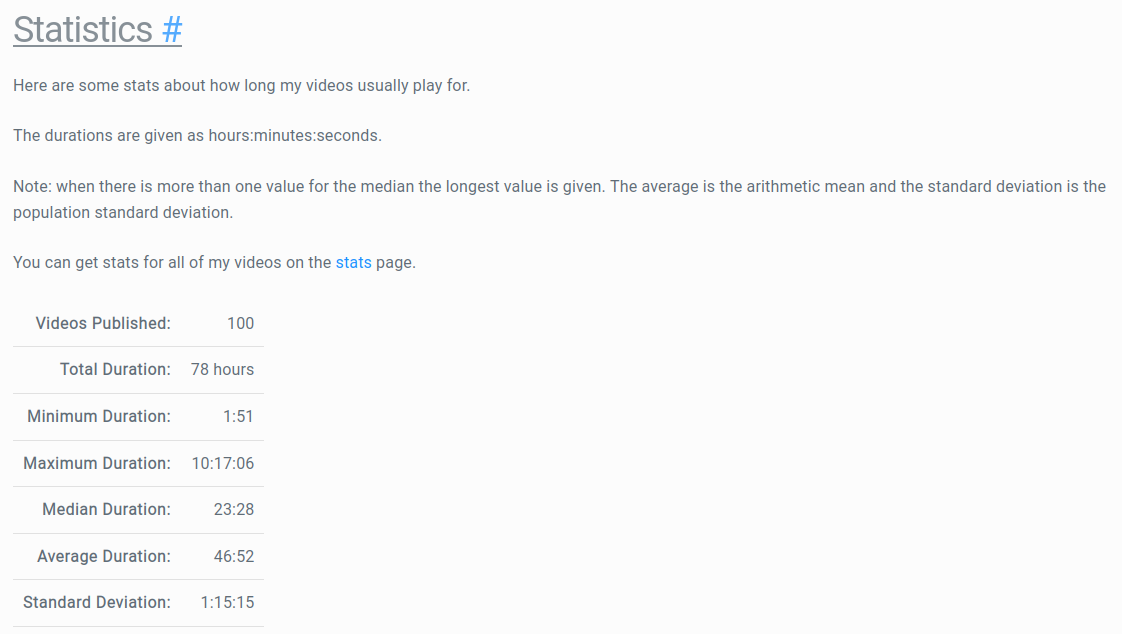
Recently I passed 100 videos across both channels. Today I reached 100 videos on the main channel (this includes a few old videos from before I started In The Lab With Jay Jay). Next stop: 200.
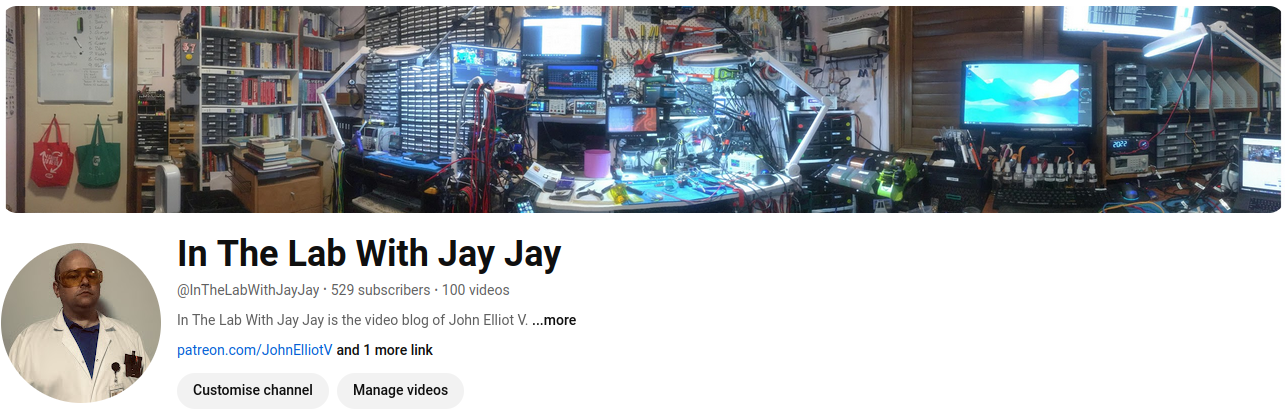

Recently I passed 100 videos across both channels. Today I reached 100 videos on the main channel (this includes a few old videos from before I started In The Lab With Jay Jay). Next stop: 200.
This post is part of my video blog and you can find more information about this video over here.
You can support this channel on Patreon: patreon.com/JohnElliotV
In this video I unbox my new Fluke 17B+ Digital Multimeter.
The hard copy manual which was in the box I received was in Chinese (I think) but I found the English documentation available on the web from the manufacturer over here: Fluke 17B+ Digital Multimeter.
Shoutout to my mate @ElectrArc240 who was the person that made me aware of this Fluke multimeter, I learned about it in one of his videos.
If you enjoyed this video and are interested in the Fluke 17B+ you can see a product demonstration over here: Demo #1: How to Use All the Features of the Fluke 17B+ Digital Multimeter | In The Lab With Jay Jay.
Thanks very much for watching! And please remember to hit like and subscribe! :)
Following is a product I use picked at random from my collection which may appear in my videos. Clicking through on this to find and click on the green affiliate links before purchasing from eBay or AliExpress is a great way to support the channel at no cost to you. Thanks!
Yum Cha 29 In 1 Mini Precision Screwdriver Set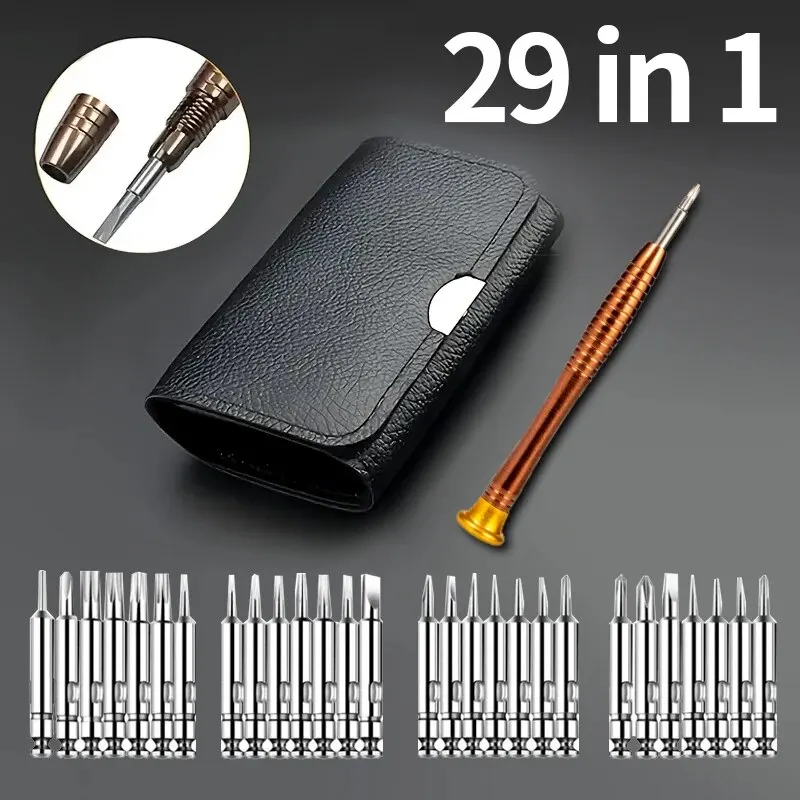 notes notes |
Let’s go shopping!
This post is part of my video blog and you can find more information about this video over here.
You can support this channel on Patreon: patreon.com/JohnElliotV
In this video I have a third go at my Maker Faire “Here There Be Makers” badge. You can see my previous attempts here and here
Following is a product I use picked at random from my collection which may appear in my videos. Clicking through on this to find and click on the green affiliate links before purchasing from eBay or AliExpress is a great way to support the channel at no cost to you. Thanks!
Scotch Titanium Scissors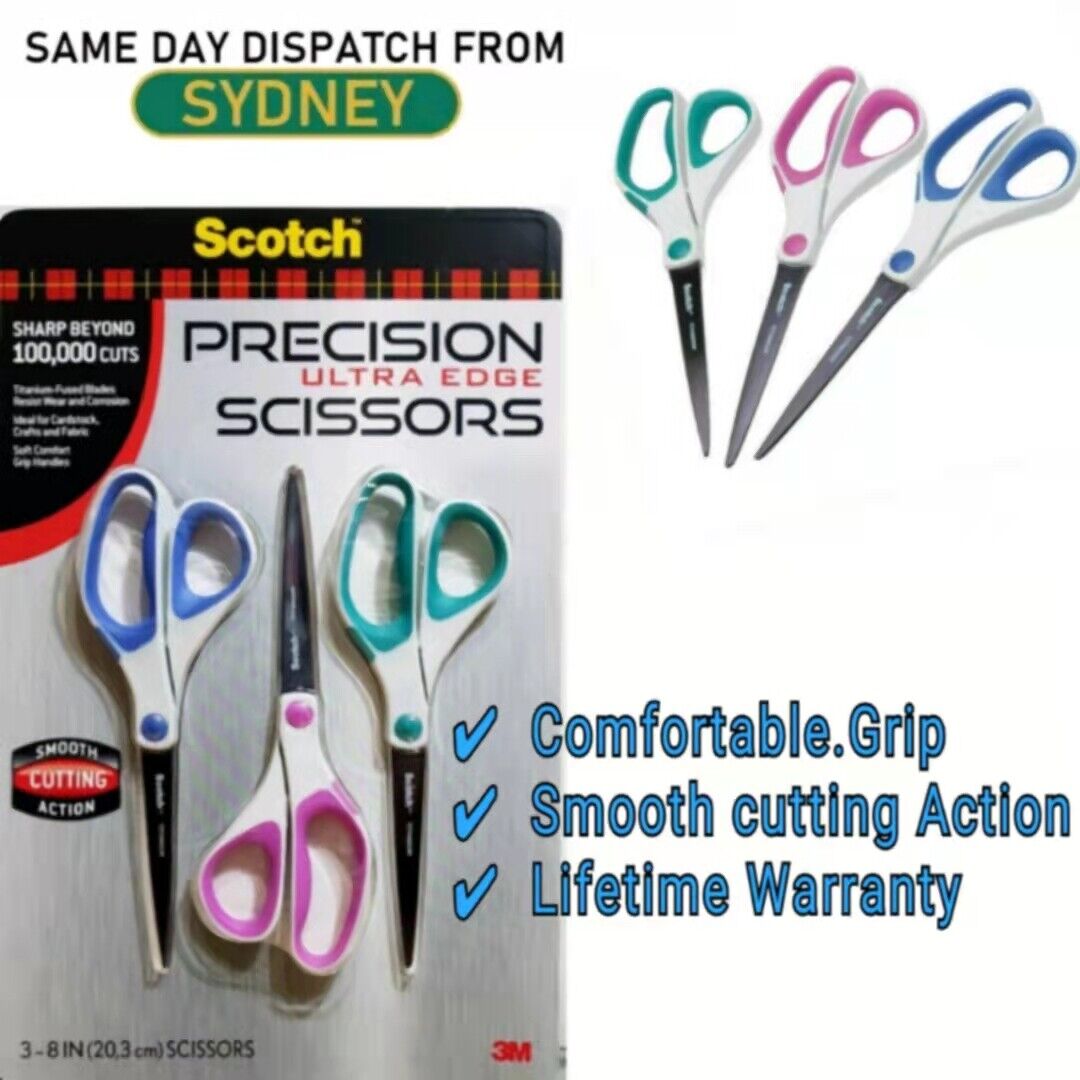 notes notes |
Let’s go shopping!
This post is part of my video blog and you can find more information about this video over here.
You can support this channel on Patreon: patreon.com/JohnElliotV
In this video I unbox and demo my new MECHANIC HT-20 Heating Table. I have some other equipment from MECHANIC.
You can find out more about the HT-20 from the manufacturer: Mechanic HT-20 Intelligent Double Digital Constant Temperature Heating Table. They also have a HT-10 model which is smaller but can reach higher temperatures: Mechanic HT-10 Intelligent Double Digital Constant Temperature Heating Table.
| Model | Table Size | High Temperature | Power |
|---|---|---|---|
| HT-10 | 100mm x 100mm | 320°C | 260W |
| HT-20 | 200mm x 200mm | 200°C | 600W |
Thanks very much for watching! And please remember to hit like and subscribe! :)
Following is a product I use picked at random from my collection which may appear in my videos. Clicking through on this to find and click on the green affiliate links before purchasing from eBay or AliExpress is a great way to support the channel at no cost to you. Thanks!
Yum Cha 13MP HD Webcam With Mic USB Camera |
Let’s go shopping!
I just hit 500 subscriptions on the main channel! Next stop: 1,000.
This post is part of my video blog and you can find more information about this video over here.
You can support this channel on Patreon: patreon.com/JohnElliotV
In this video I make a power breakout box. This is for use in testing my new multimeter, but it will be good to have for other uses in future too.
Thanks very much for watching! And please remember to hit like and subscribe! :)
Following is a product I use picked at random from my collection which may appear in my videos. Clicking through on this to find and click on the green affiliate links before purchasing from eBay or AliExpress is a great way to support the channel at no cost to you. Thanks!
Maxitronix Electronic Metal Detector Kit Electronics Project notes notes |
Let’s go shopping!
This post is part of my video blog and you can find more information about this video over here.
You can support this channel on Patreon: patreon.com/JohnElliotV
In this video I fix up and reassemble my Here There Be Makers badge which I received from Maker Shed in California.
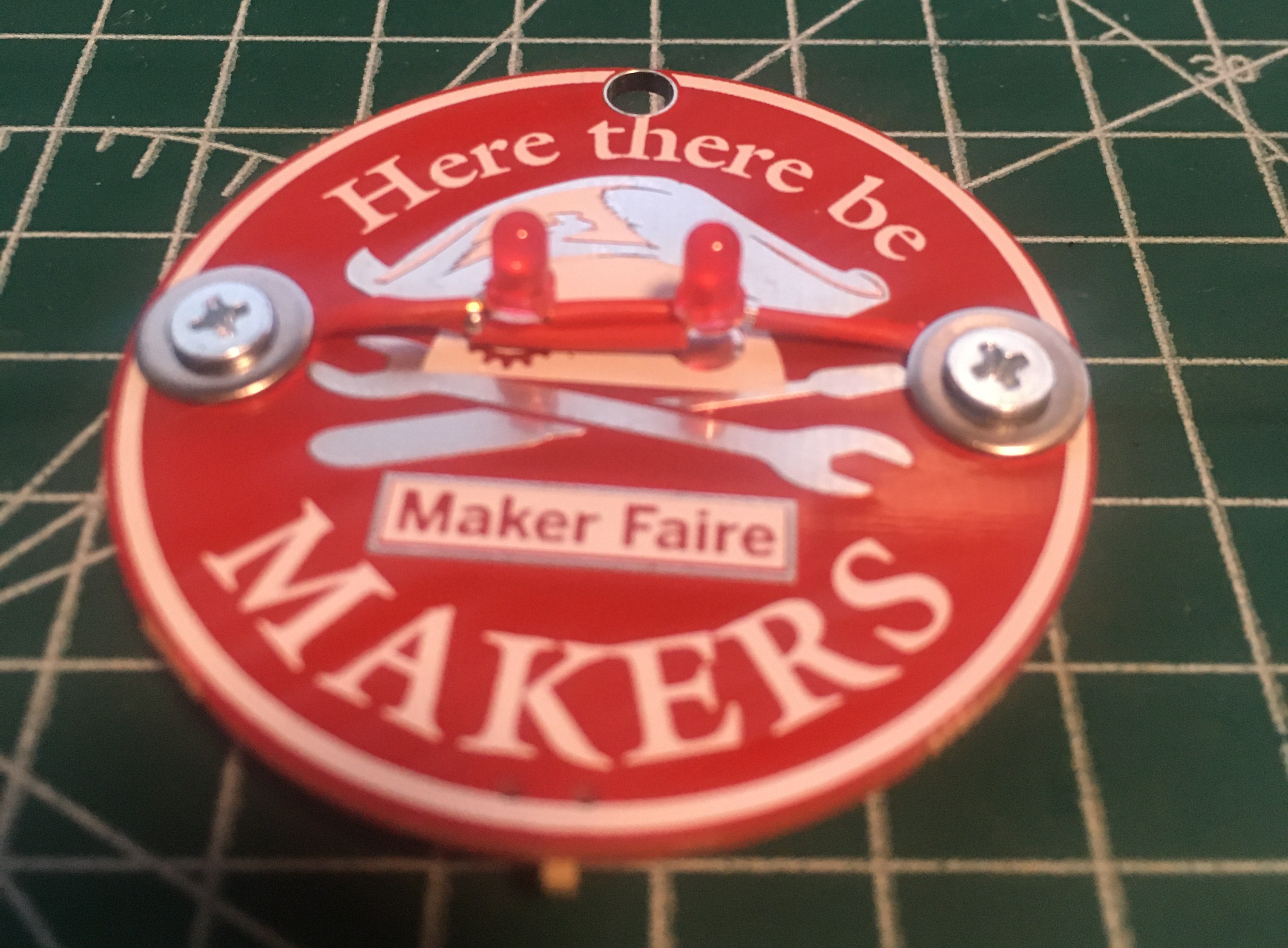
This electrified badge was made by lectrify.it and PCBWay.
Previously I had installed a single 3mm LED in the top of this thing, but in this video I remove that (so I can use the hole to hang it) and install two 3mm LEDs on the front instead, which is my best guess as to what I was supposed to do with this thing, which didn’t come with instructions.
There is some information about their Maker Faire event on in San Fransisco later this year over here: https://make.co/welcome/
And also, yes, I should have combed my hair before making this video. :P
Thanks very much for watching! And please remember to hit like and subscribe! :)
Following is a product I use picked at random from my collection which may appear in my videos. Clicking through on this to find and click on the green affiliate links before purchasing from eBay or AliExpress is a great way to support the channel at no cost to you. Thanks!
JST XH2.54 Connector Kit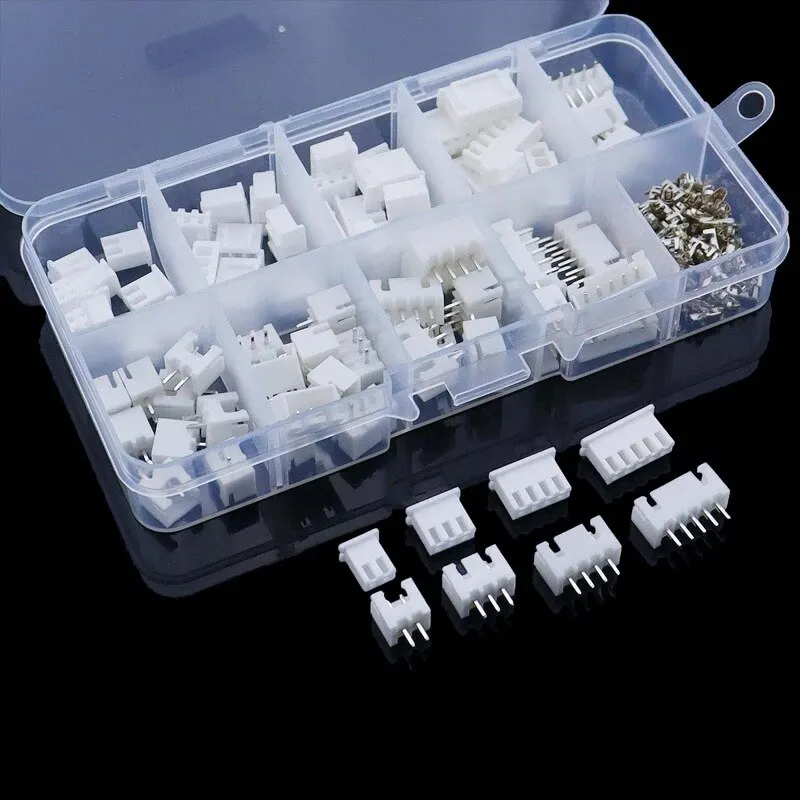 |
Let’s go shopping!
This post is part of my video blog and you can find more information about this video over here.
You can support this channel on Patreon: patreon.com/JohnElliotV
In this video I take a look at some new books and equipment which has arrived in the mail:
I mention in the video that I recently organized my USB cables.
There’s some more information about where I found and purchased my Fluke multimeter over here: Fluke 17B+ Multimeter. Shoutout to my mate @ElectrArc240! When I release the unboxing video for this meter I will update this page with the link.
At the end of this video I put together my “Maker Faire: Here There Be Makers” swag but I actually revisit this and do it better in another video released as an interlude on the channel, so stand by for that (it will come out tomorrow, I will update this link when it’s out).
This electrified badge was made by lectrify.it and PCBWay and it was sent to me by Maker Shed.
Thanks very much for watching! And please remember to hit like and subscribe! :)
Following is a product I use picked at random from my collection which may appear in my videos. Clicking through on this to find and click on the green affiliate links before purchasing from eBay or AliExpress is a great way to support the channel at no cost to you. Thanks!
Yum Cha 3pcs Drill Scrub Brush notes notes |
Let’s go shopping!
I mostly published this ten hour long video just to exasperate Dave Jones. ;)
This post is part of my video blog and you can find more information about this video over here.
You can support this channel on Patreon: patreon.com/JohnElliotV
Silly Job Title: Buzz Boss.
In this video I take a good long hard look at the entirety of this book.
The book is Basic Electronics – Volumes 1 through 6 written by Van Valkenburgh, Nooger and Neville, Inc. and published in 1955.
The book is about the state of electronics at the time it was written. It was commissioned by the United States Navy, who used it to train their technicians. Later, it was released for civilian use.
In the book there is lots of material on vacuum tubes, which were state of the art at the time. The sixth volume adds material on transistors and frequency modulation, which were bleeding edge technology at the time.
I learned heaps from reading this book, particularly about the various types of vacuum tubes (also known as “valves” by the British): diode, triode, tetrode, pentode, and Klystron, among others.
Also I learned that the name “transistor” is a contraction of “transfer resistor”, I didn’t know that!
If you would like to watch this video but don’t have ten hours to spare, you can find out how to increase the playback speed more than 2x on my YouTube hacks page.
The links to archive.org I mention in the video are these:
Also I found PDFs for Volumes 1 through 5 here:
Oh, and the link for Make: magazine is here: https://makezine.com/
Thanks very much for watching! And please remember to hit like and subscribe! :)
Following is a product I use picked at random from my collection which may appear in my videos. Clicking through on this to find and click on the green affiliate links before purchasing from eBay or AliExpress is a great way to support the channel at no cost to you. Thanks!
RV77 4K HDMI USB 2.0 4-Port HDMI KVM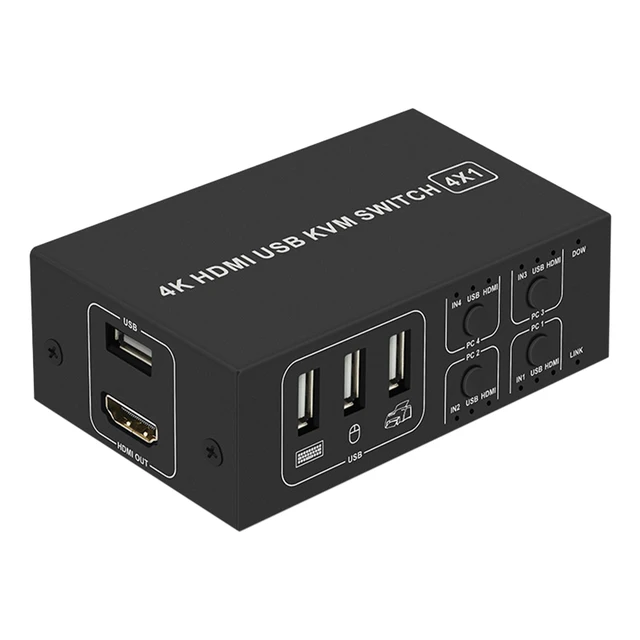 |
Let’s go shopping!
Today the 100th video will be released! This is across both channels.
The next milestone will be passing 500 subscribers, presently at 437.