Low-Water Indicator | Project 17/20 | Maxitronix 20in1 | In The Lab With Jay Jay

This post is part of my video blog and you can find more information about this video over here.

You can support this channel on Patreon: patreon.com/JohnElliotV

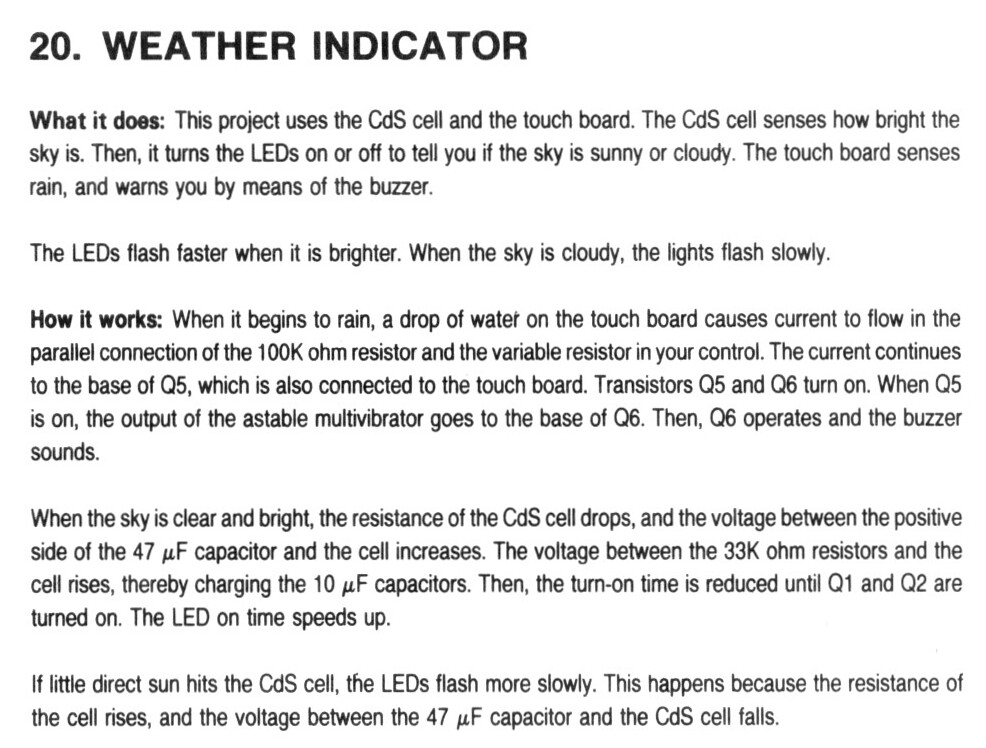
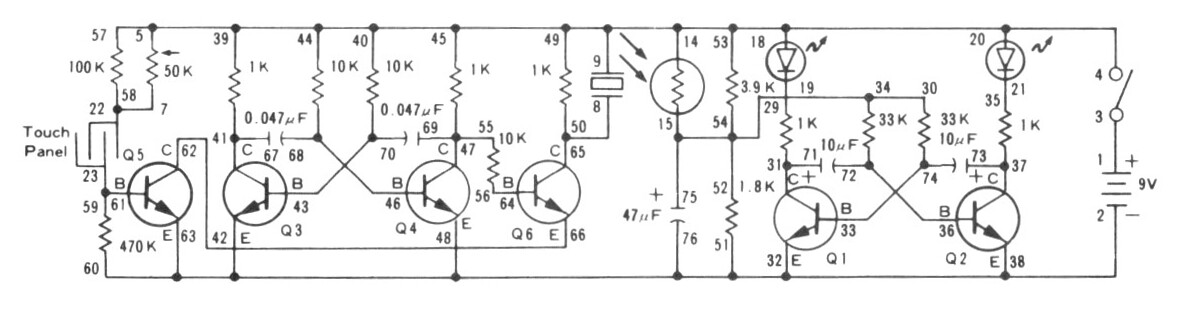
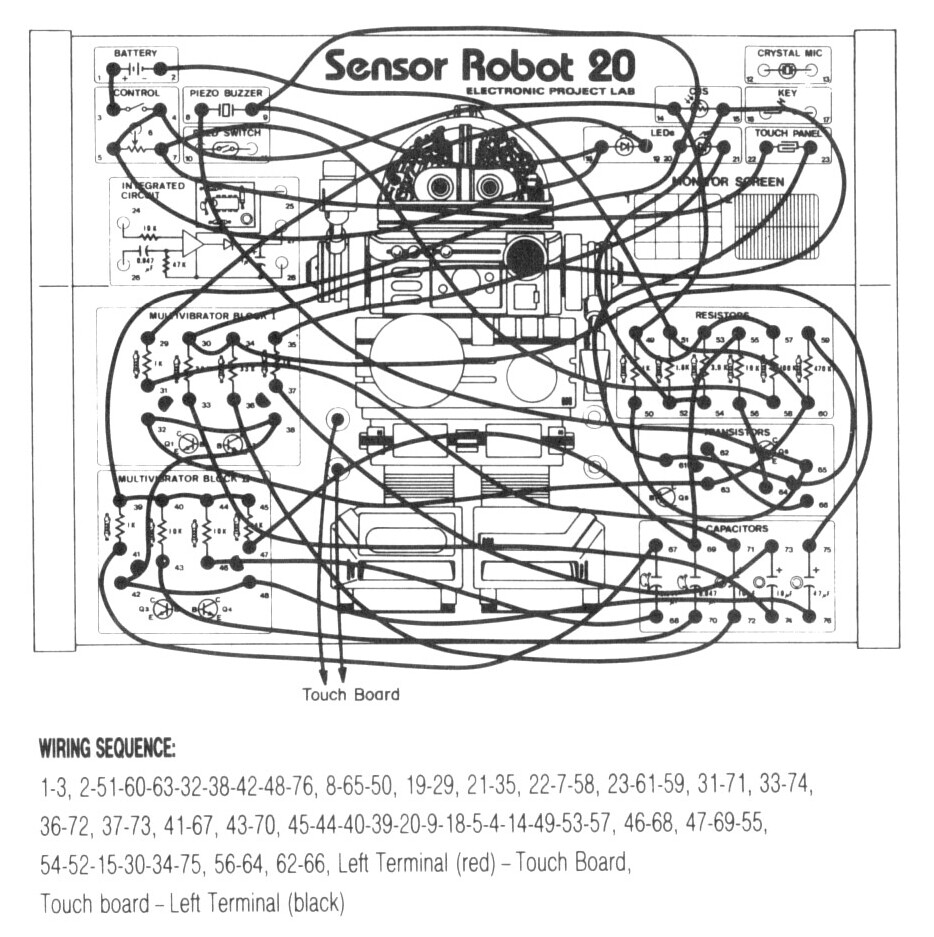
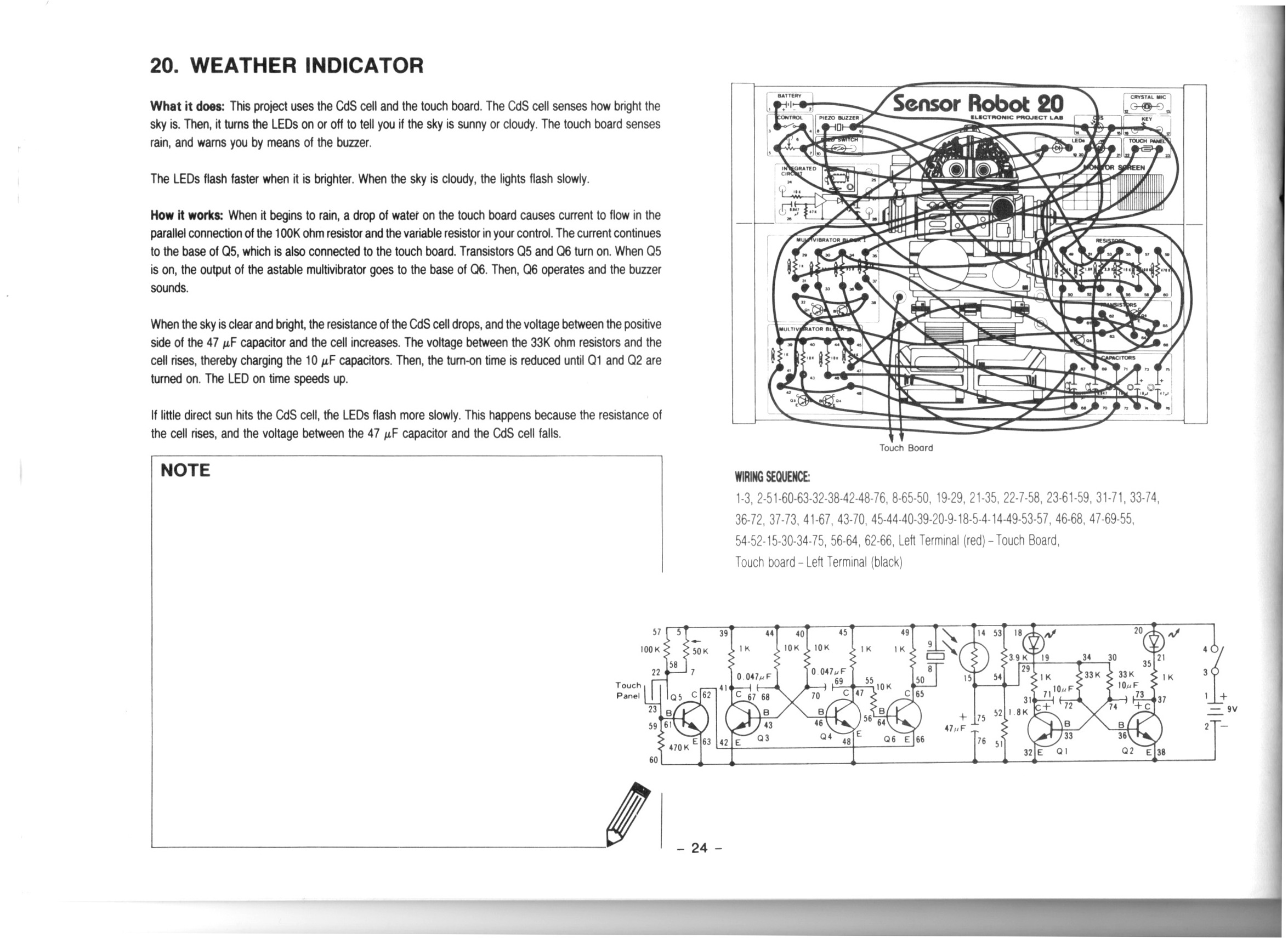
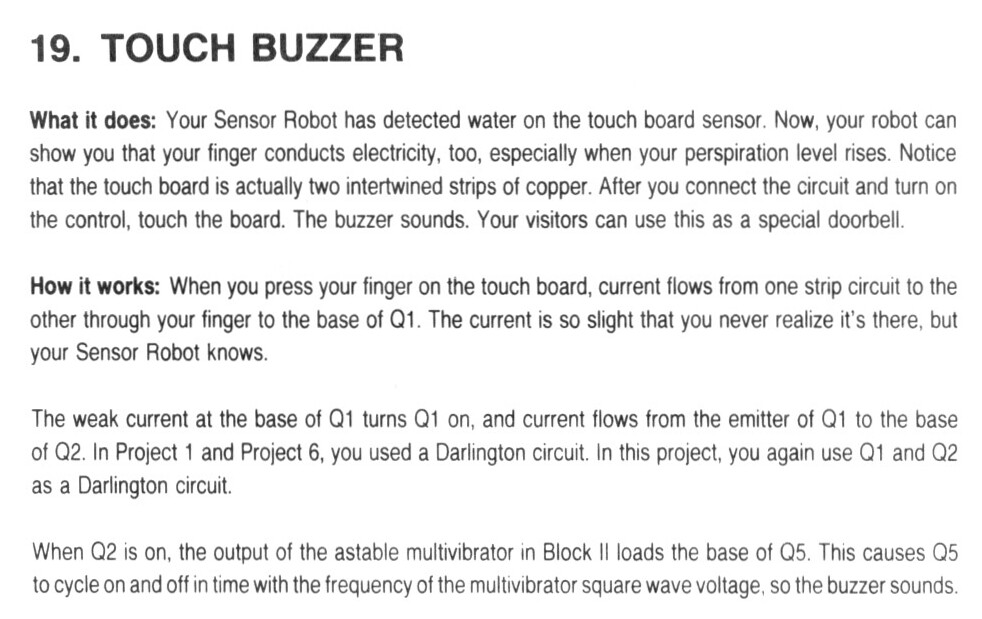
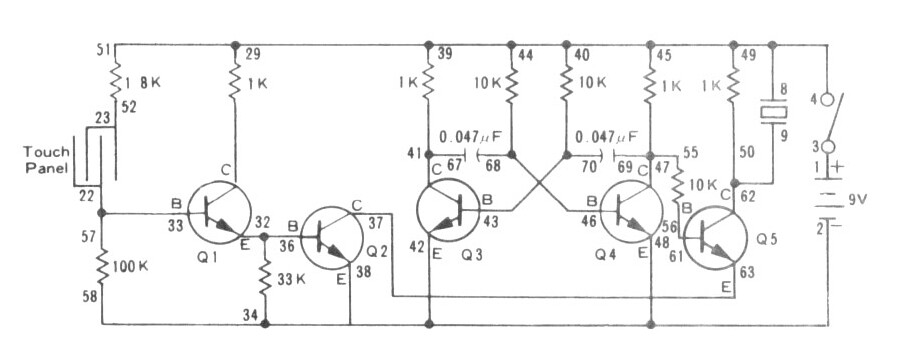
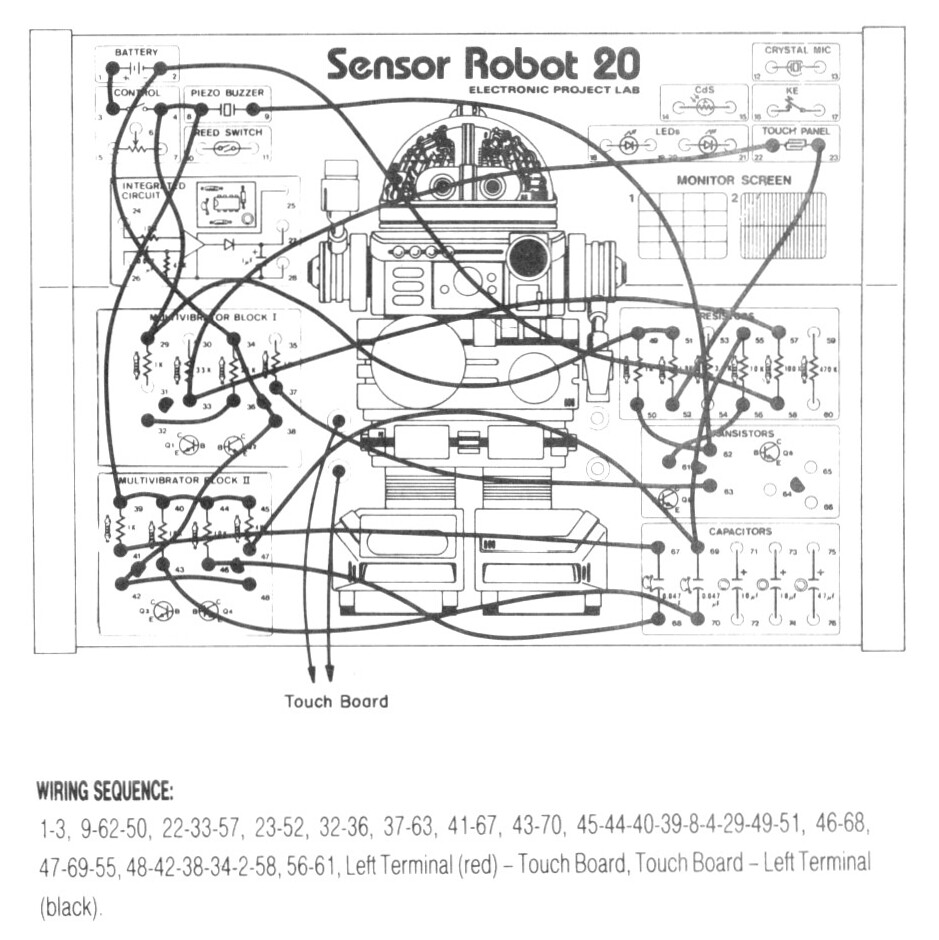
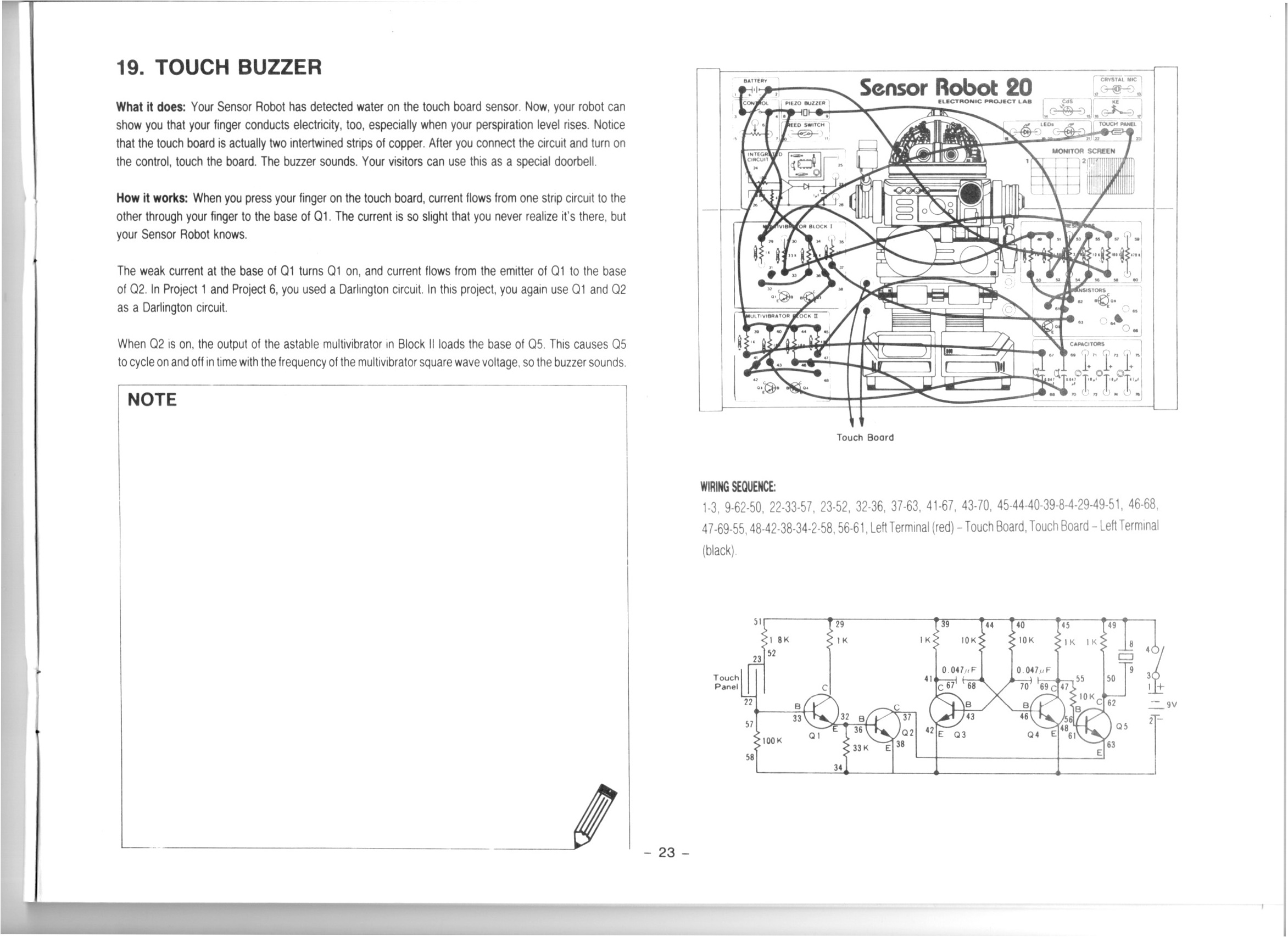
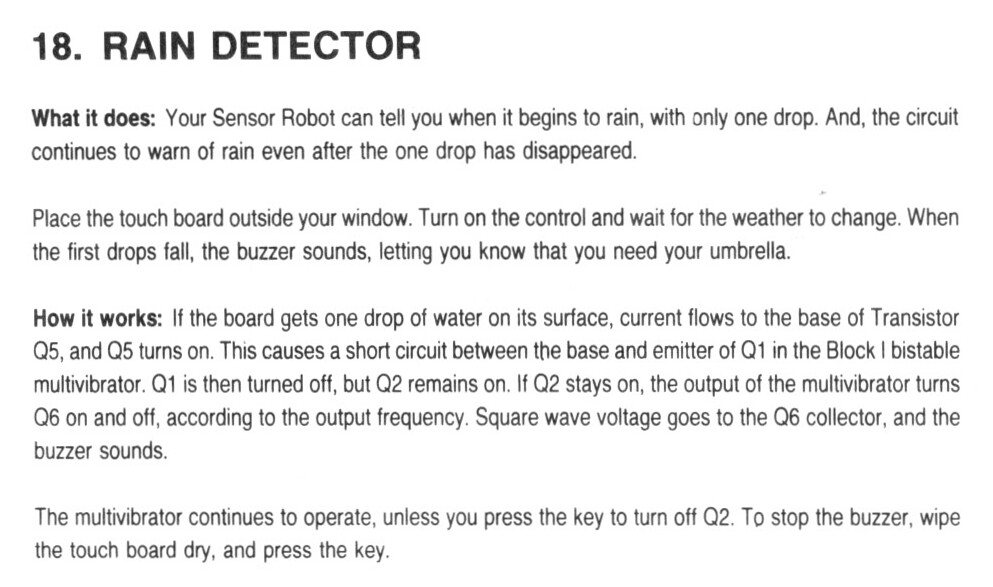
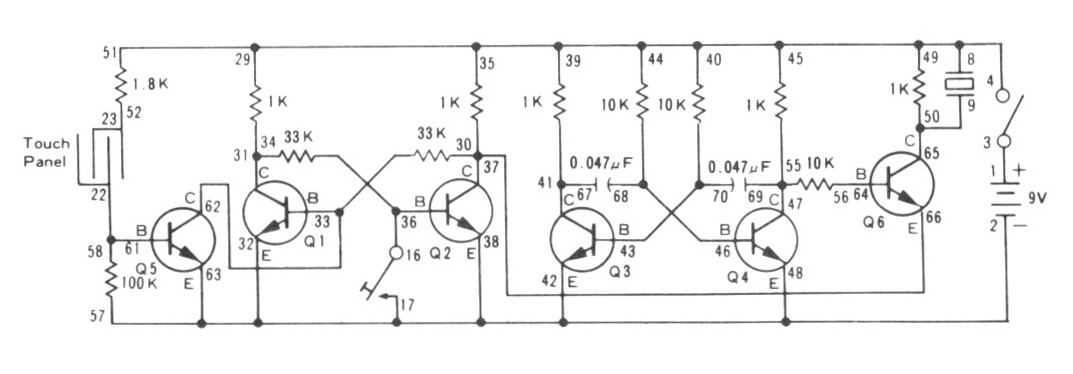
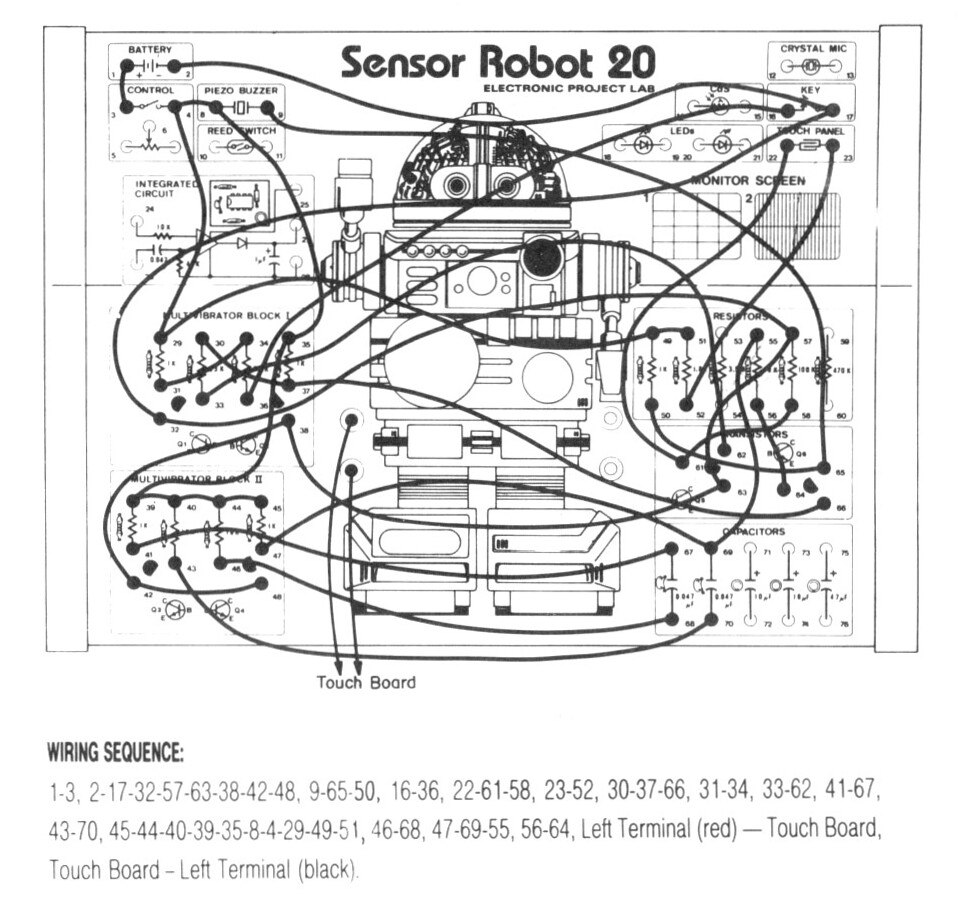
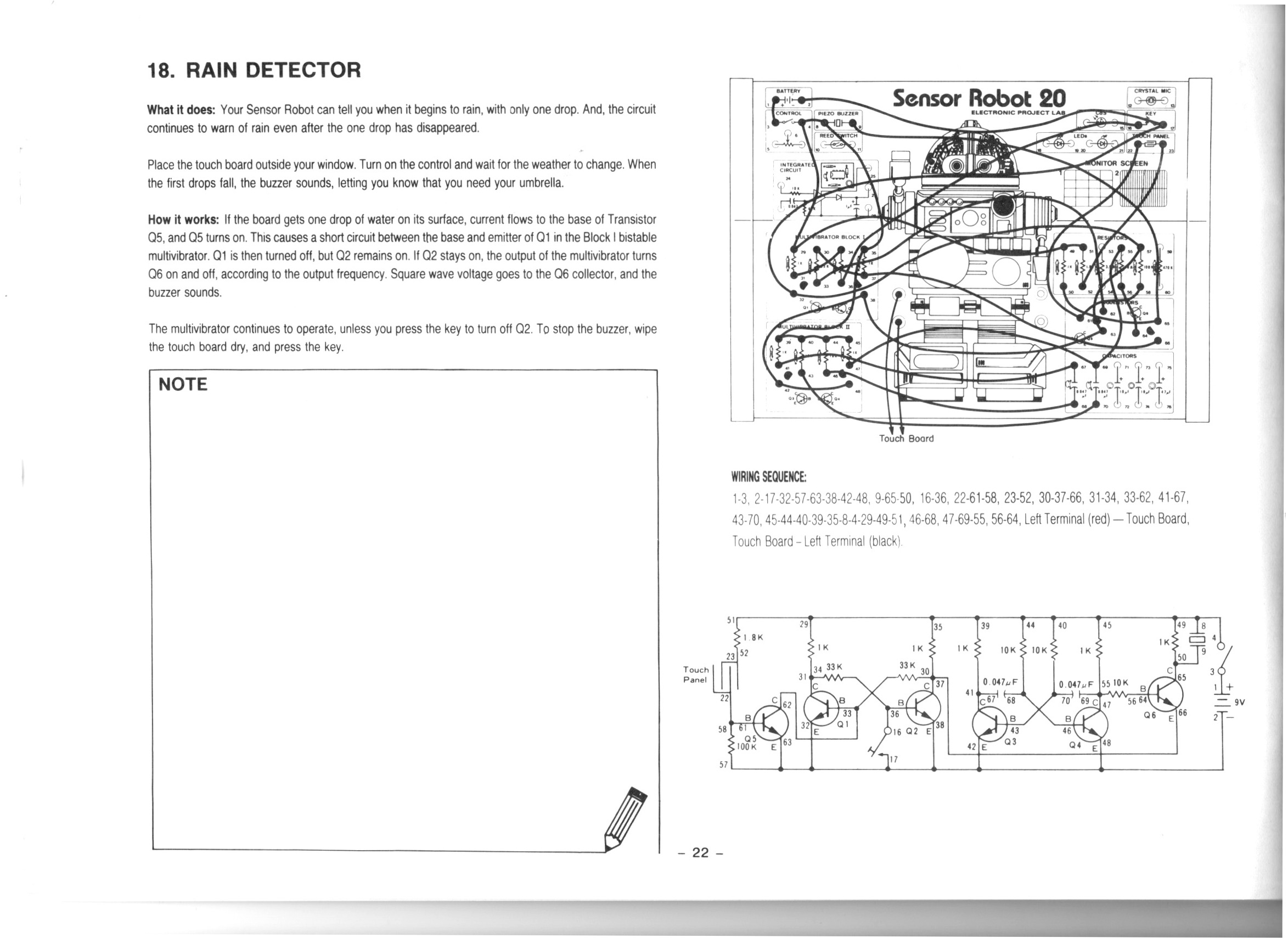
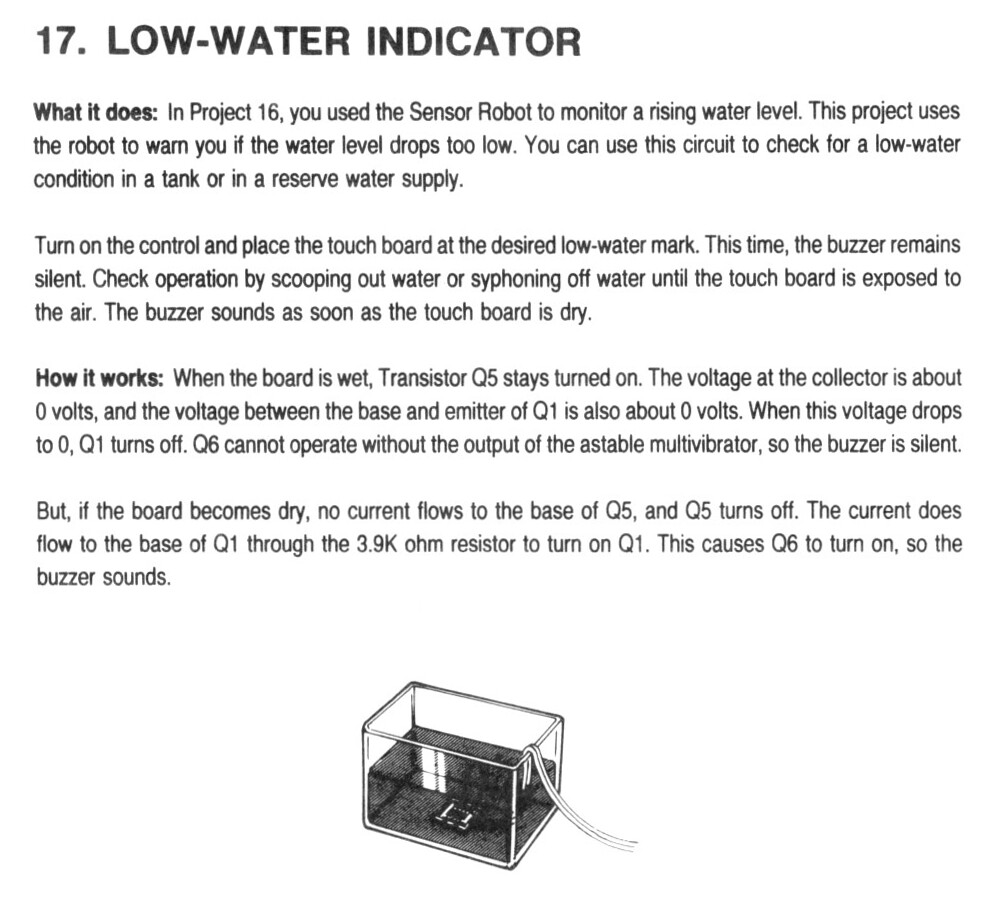
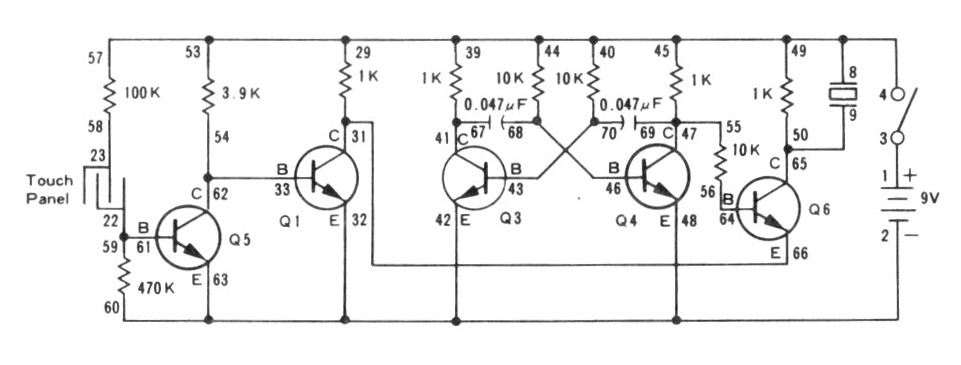
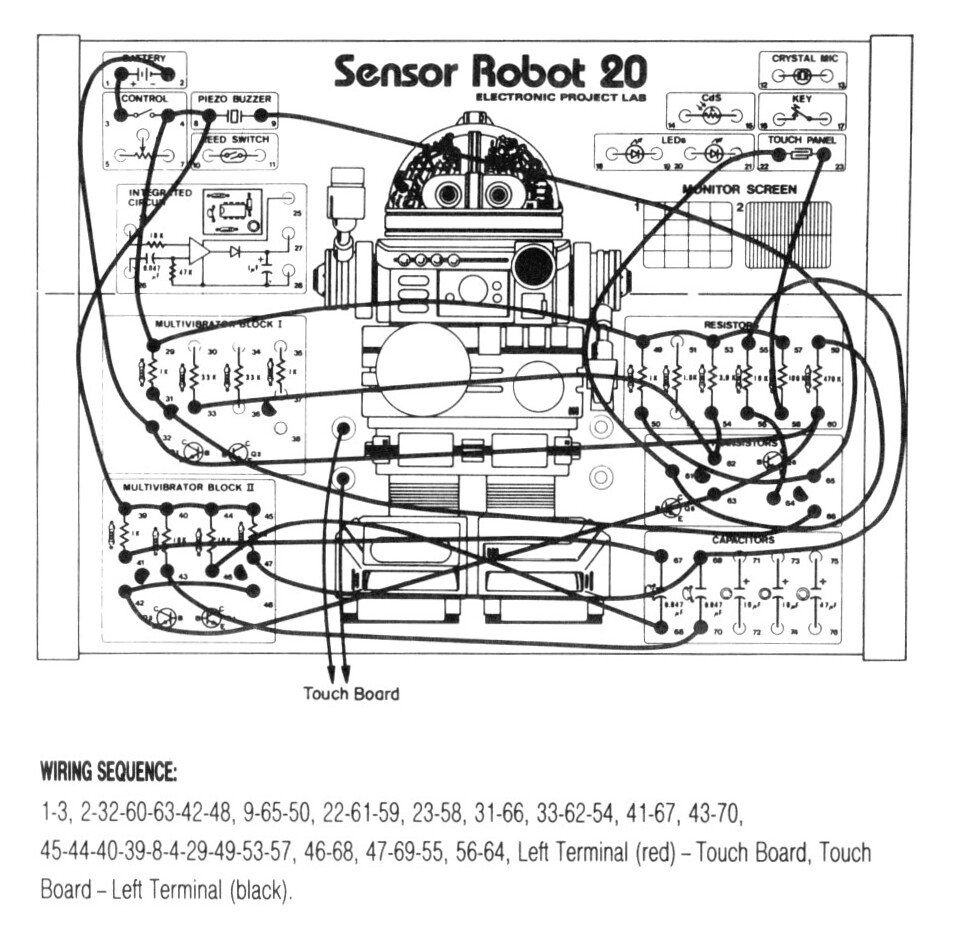
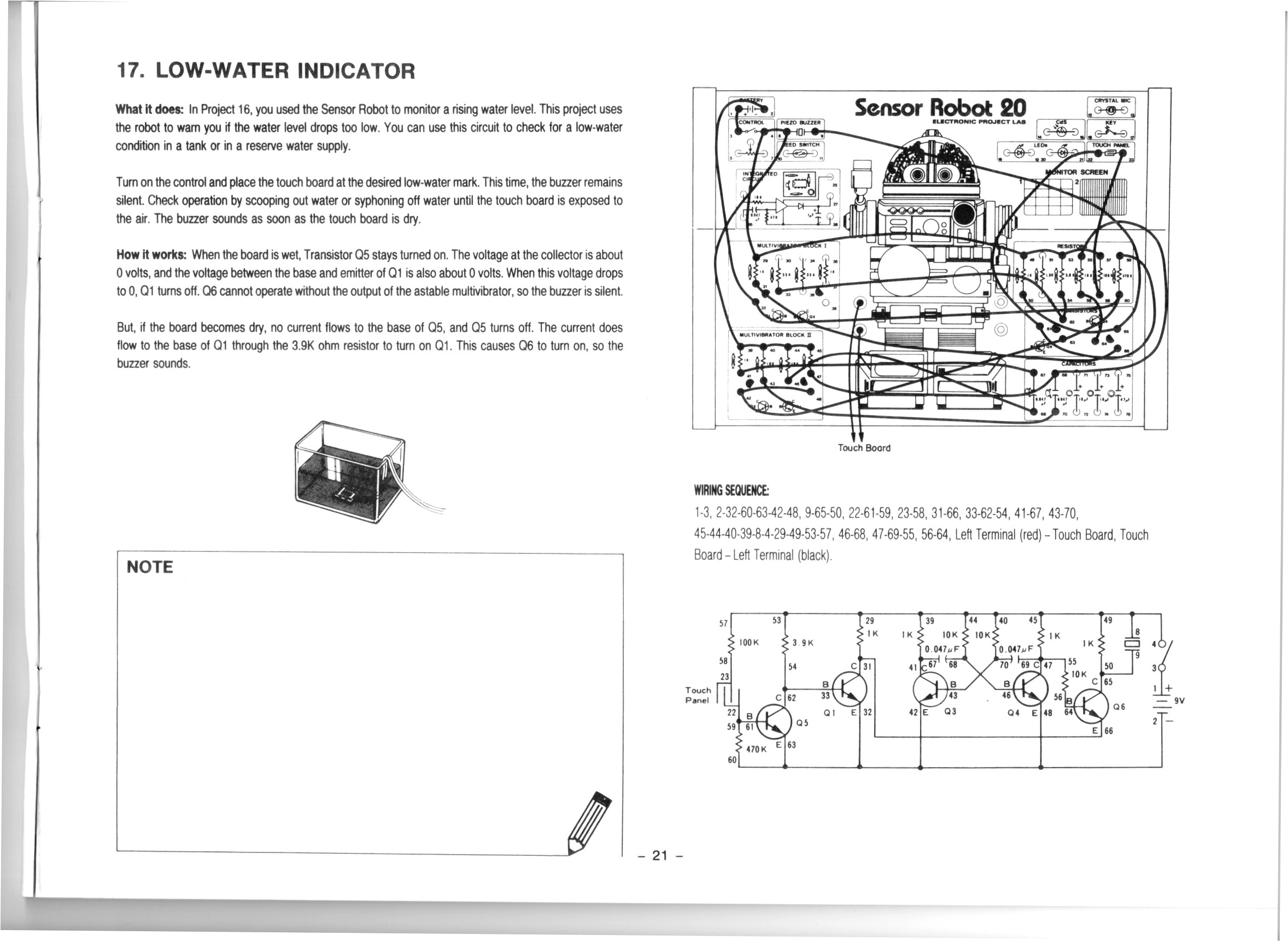
In this video we do the 17th project from the Maxitronix Sensor Robot 20 (20in1) Electronics Project Lab Kit: Low-Water Indicator.

We use the Rigol MSO5074 Mixed Signal Oscilloscope to see the output of the astable multivibrator. In the video I make a mistake and attach the probe to the wrong pins.

We use the METCAL PS-900 Soldering Station to solder the wires I use for the banana plugs I attach to the touch sensor an voice sensor (microphone).

We use the UNI-T UTi260B Thermal Imager to look at the heat profile of the circuit. We see that the low resistances (470Ω and 1KΩ) get the warmest, but the higher resistances (e.g. 10KΩ) are also slightly visible.

We use the Fluke 17B+ Digital Multimeter to check the resistance of the touch sensor.

We use the Peak Electronic Design Atlas LCR45 LCR Meter to measure the resistance of the resistor we use in the LED attachment circuit. This extra circuit allows us to switch out the buzzer for an LED, which makes a lot less racket. The resistor it uses turned out to be 470Ω.

We use the Riden RD6006 Bench Power Supply to provide 9V for our test circuit. Usually I take a current reading to see how much power the circuit draws in its various states, but I forgot!

We use the Horusdy Soldering Station with Hot Air Gun for its hot air gun in order to shrink the heat shrink which we added to the banana plug cables we attached to our sensors.

Thanks very much for watching! And please remember to hit like and subscribe! :)


Following is a product I use picked at random from my collection which may appear in my videos. Clicking through on this to find and click on the green affiliate links before purchasing from eBay or AliExpress is a great way to support the channel at no cost to you. Thanks!

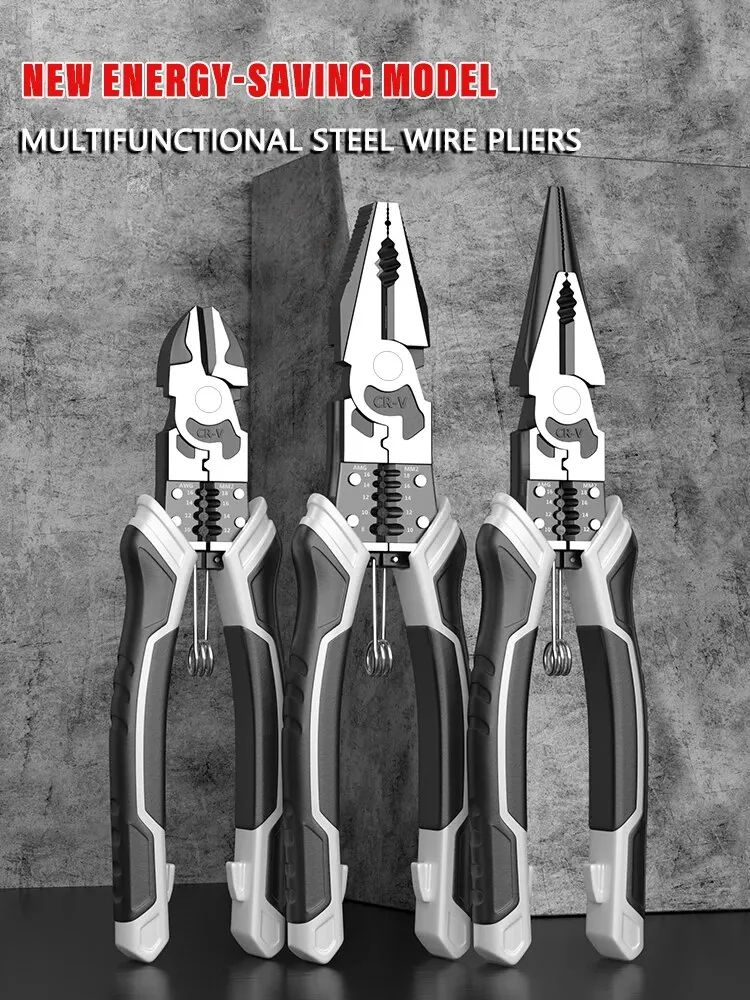
Yum Cha 9-Inch Needle Nose PliersThis is an image of the product.notes

Let’s go shopping!
Interlude #10: Take Three: Improving My Maker Faire ‘Here There Be Makers’ Badge | In The Lab

This post is part of my video blog and you can find more information about this video over here.

You can support this channel on Patreon: patreon.com/JohnElliotV

In this video I have a third go at my Maker Faire “Here There Be Makers” badge. You can see my previous attempts here and here

Following is a product I use picked at random from my collection which may appear in my videos. Clicking through on this to find and click on the green affiliate links before purchasing from eBay or AliExpress is a great way to support the channel at no cost to you. Thanks!

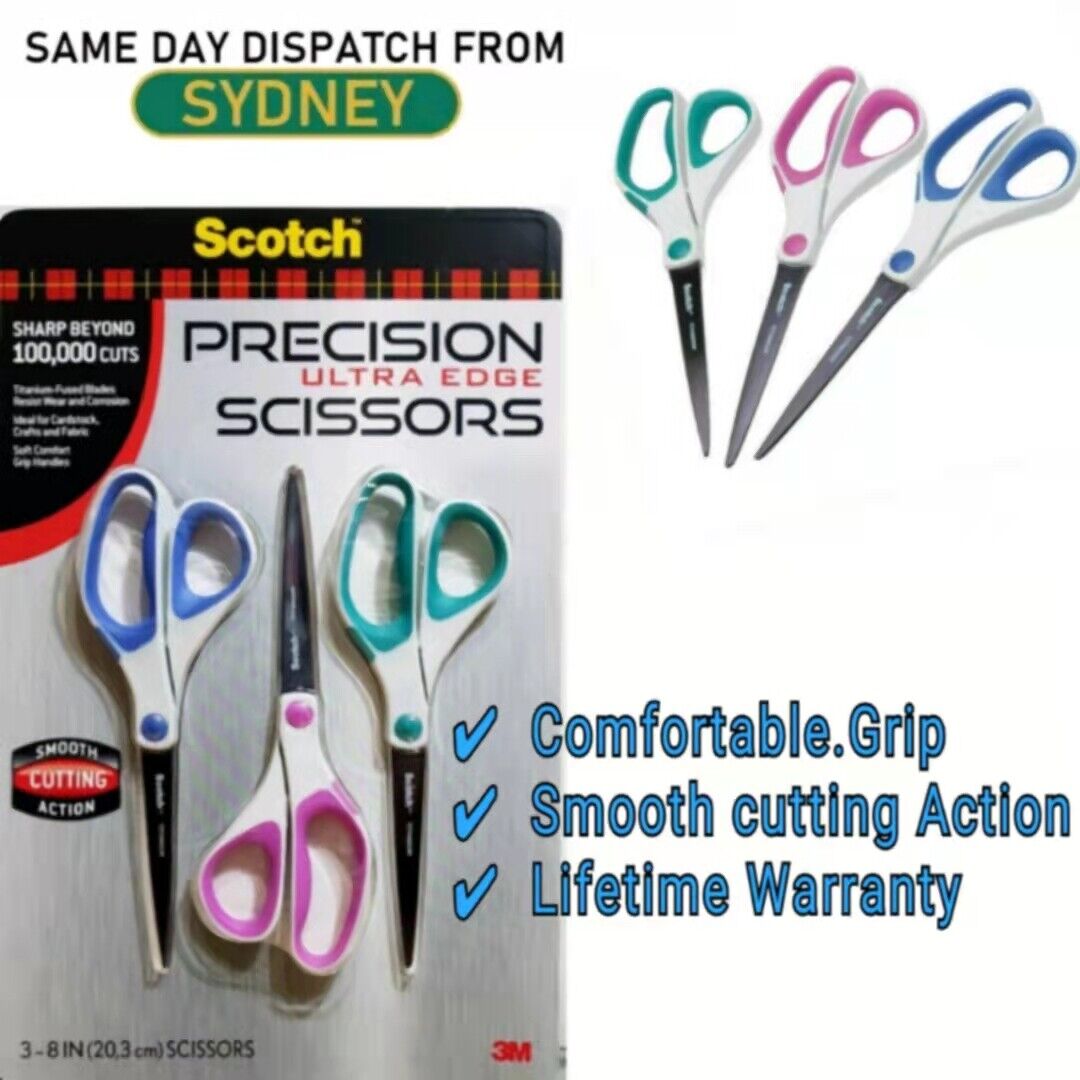
Scotch Titanium ScissorsThis is an image of the product.notes

Let’s go shopping!
Extra Content #10: Cleaning, Testing, and Filing Through-Hole Resistors and Capacitors | In The Lab

This post is part of my video blog and you can find more information about this video over here.

You can support this channel on Patreon: patreon.com/JohnElliotV

In this video I clean, test, and file a bunch of resistors and ceramic capacitors.

During this video I mention the Peak Atlas test instruments. I don’t own these yet, but they are on my wishlist!

Thanks very much for watching! And please remember to hit like and subscribe! :)


Following is a product I use picked at random from my collection which may appear in my videos. Clicking through on this to find and click on the green affiliate links before purchasing from eBay or AliExpress is a great way to support the channel at no cost to you. Thanks!

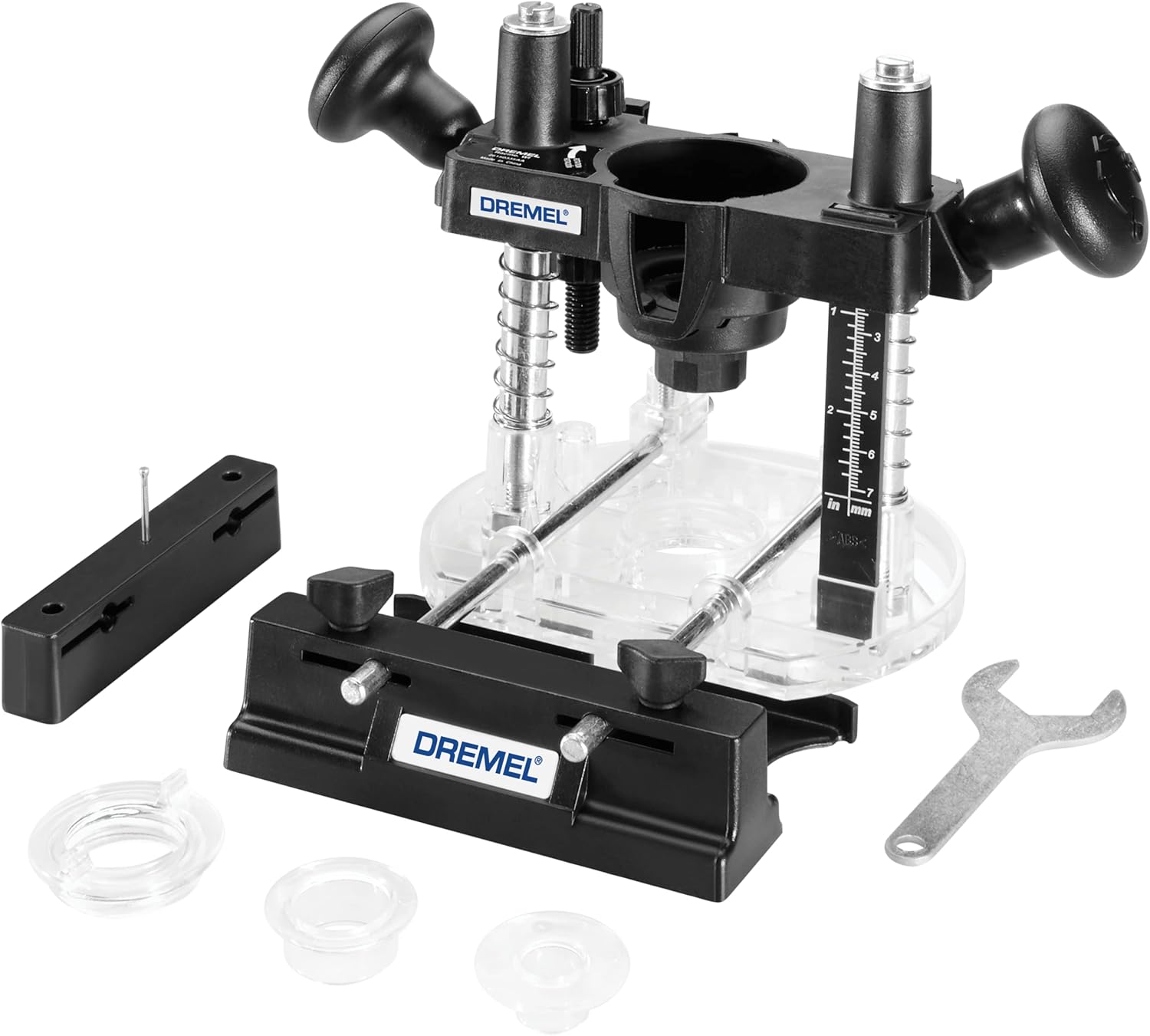
Dremel 335 Plunge RouterThis is an image of the product.notes

Let’s go shopping!
Extra Content #8: The Great Resistor Clean of 2024 | Learning Electronics In The Lab With Jay Jay

This post is part of my video blog and you can find more information about this video over here.

You can support this channel on Patreon: patreon.com/JohnElliotV

In this video I clean my 1% and 2% tolerance resistors (my 5% tolerance resistors were cleaned previously). That’s 37 component trays worth, being 37 different types from 1Ω to 1MΩ. During the video I print new labels for the component drawers with my label maker and I use my iPhone to double check the colour coding.

Thanks very much for watching! And please remember to hit like and subscribe! :)


Following is a product I use picked at random from my collection which may appear in my videos. Clicking through on this to find and click on the green affiliate links before purchasing from eBay or AliExpress is a great way to support the channel at no cost to you. Thanks!

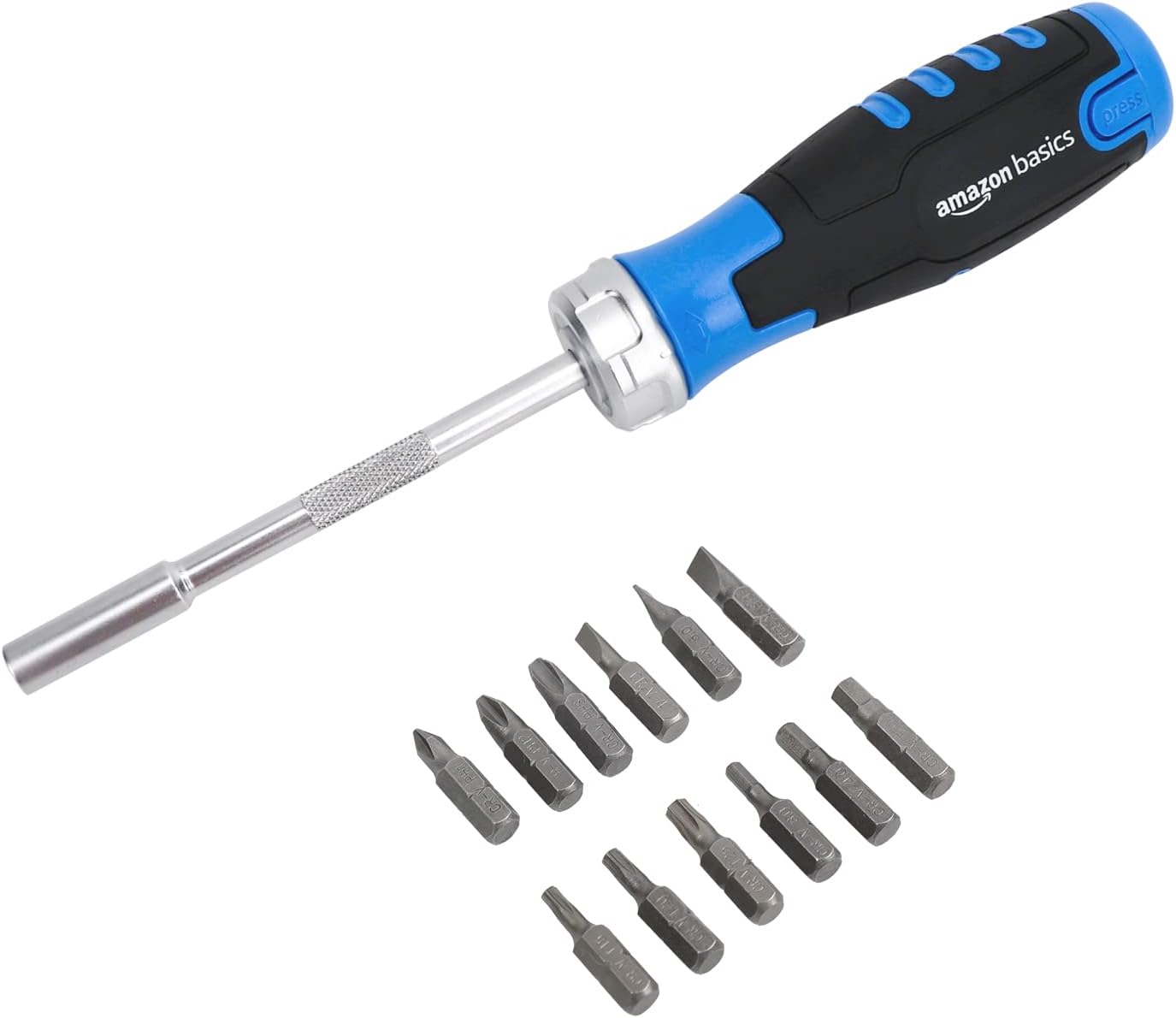
Amazon Basics Ratchet ScrewdriverThis is an image of the product.notes

Let’s go shopping!