Thanks very much for watching! And please remember to hit like and subscribe! :)
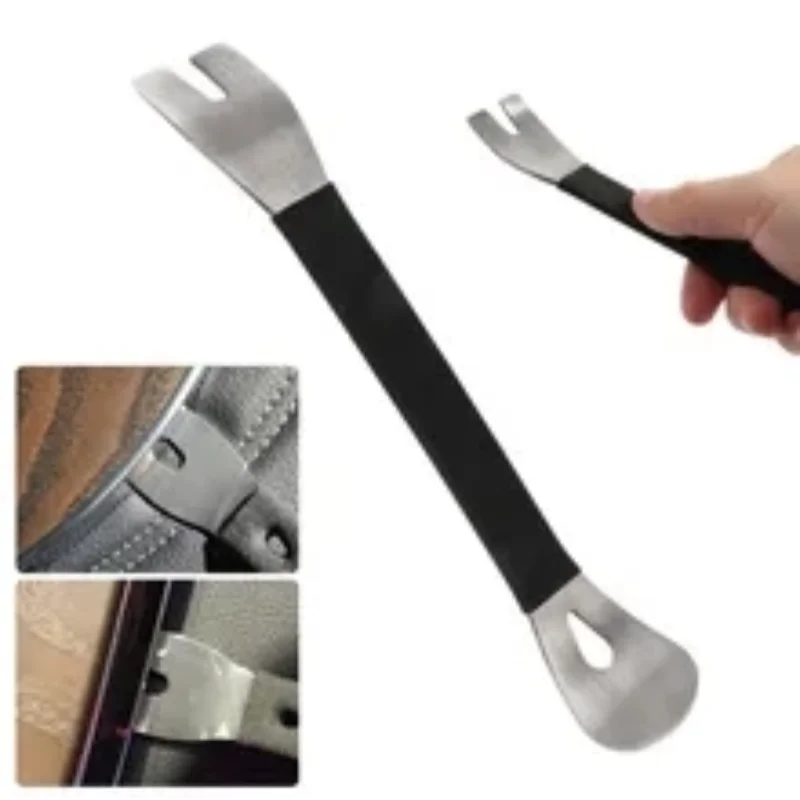
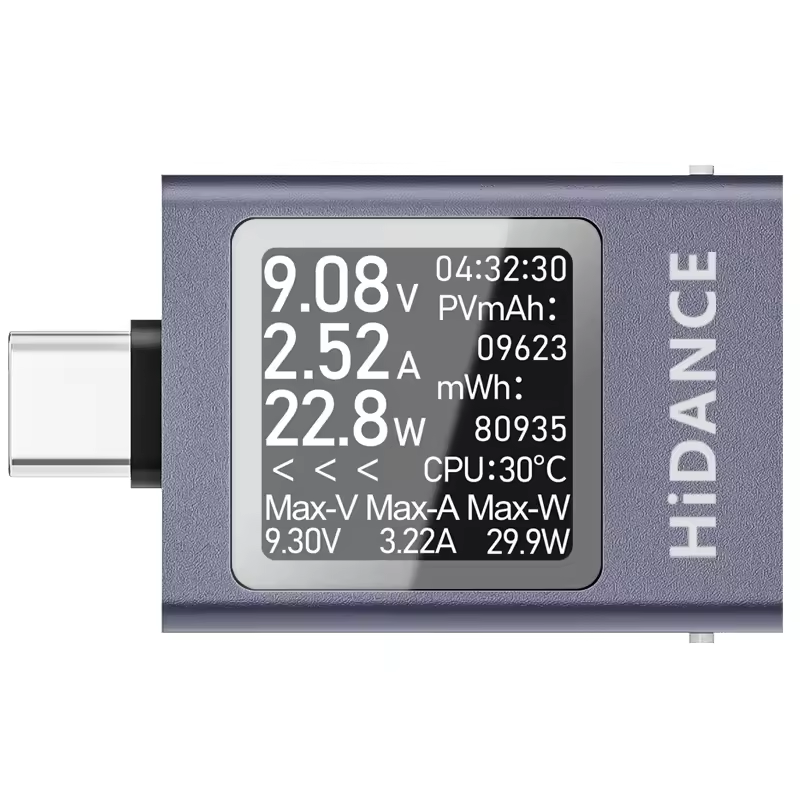
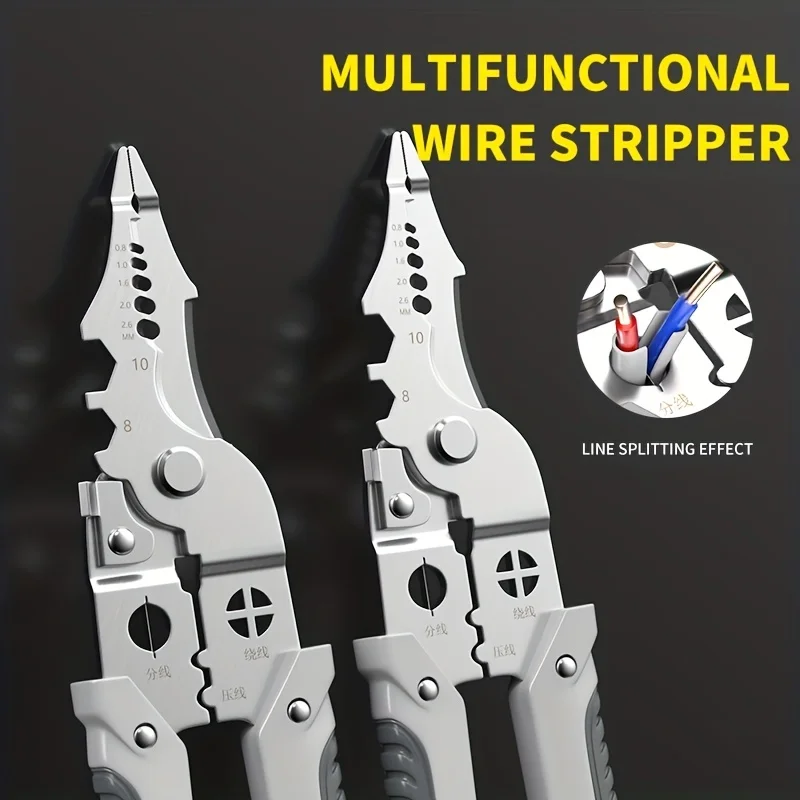
Following is a product I use picked at random from my collection which may appear in my videos. Clicking through on this to find and click on the green affiliate links before purchasing from eBay or AliExpress is a great way to support the channel at no cost to you. Thanks!
In this video we take a look at what has arrived in the mail from Amazon and AliExpress.
I mention in the video about the September 2026 edition of Silicon Chip magazine. I am reading Fundamentals of Solid State which you can purchase for AUD$40 on the Silicon Chip website from the bottom of this page. In the video I say that it dates back to 1979, but actually it dates back to 1984. Close enough! If you’re not into paywalled content they have some free downloads including The Internet – What’s In It For You?, When I Think Back 1, and When I Think Back 2.
Thanks very much for watching! And please remember to hit like and subscribe! :)
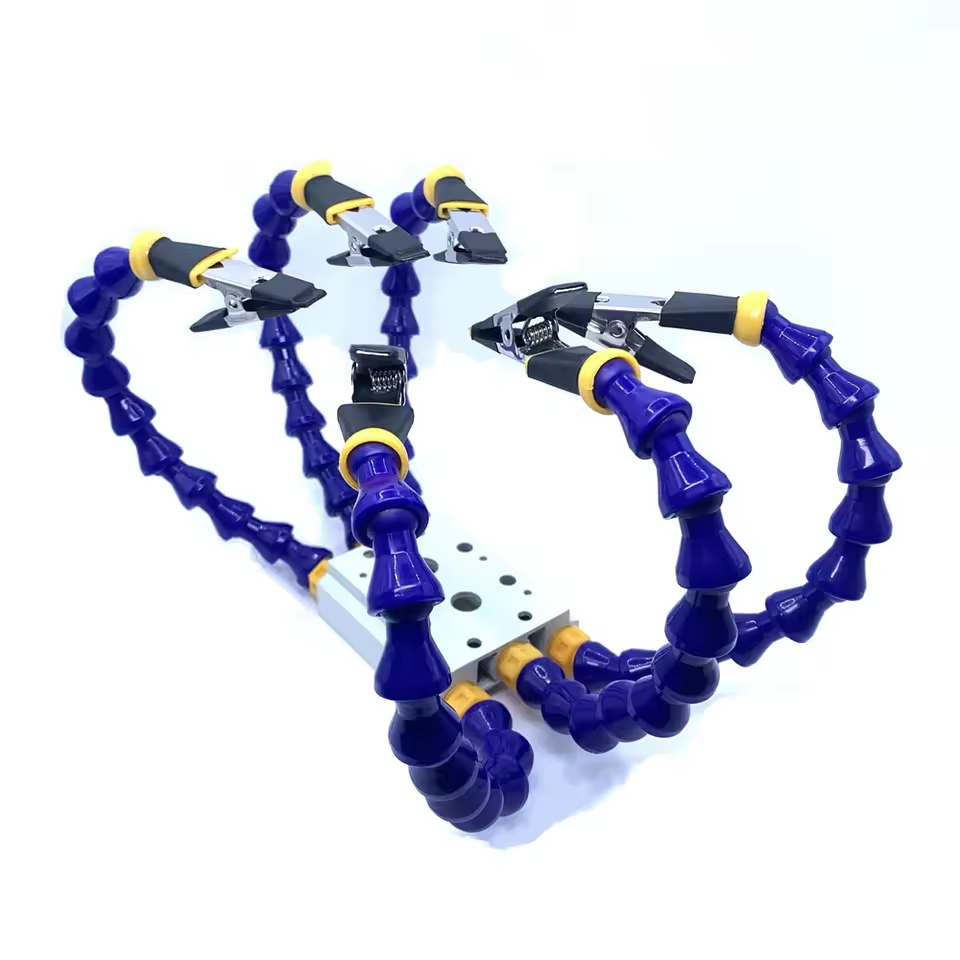
Following is a product I use picked at random from my collection which may appear in my videos. Clicking through on this to find and click on the green affiliate links before purchasing from eBay or AliExpress is a great way to support the channel at no cost to you. Thanks!
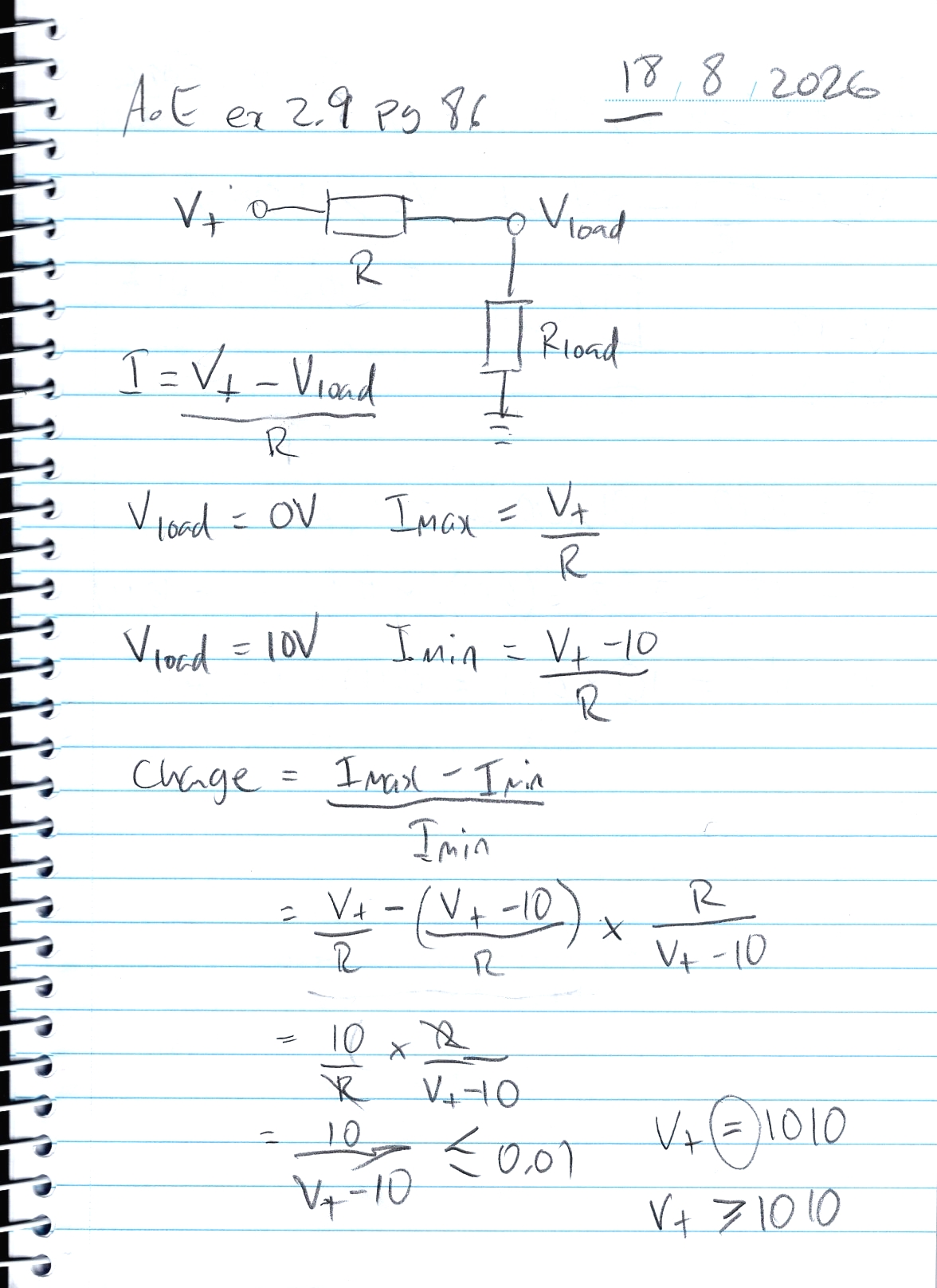
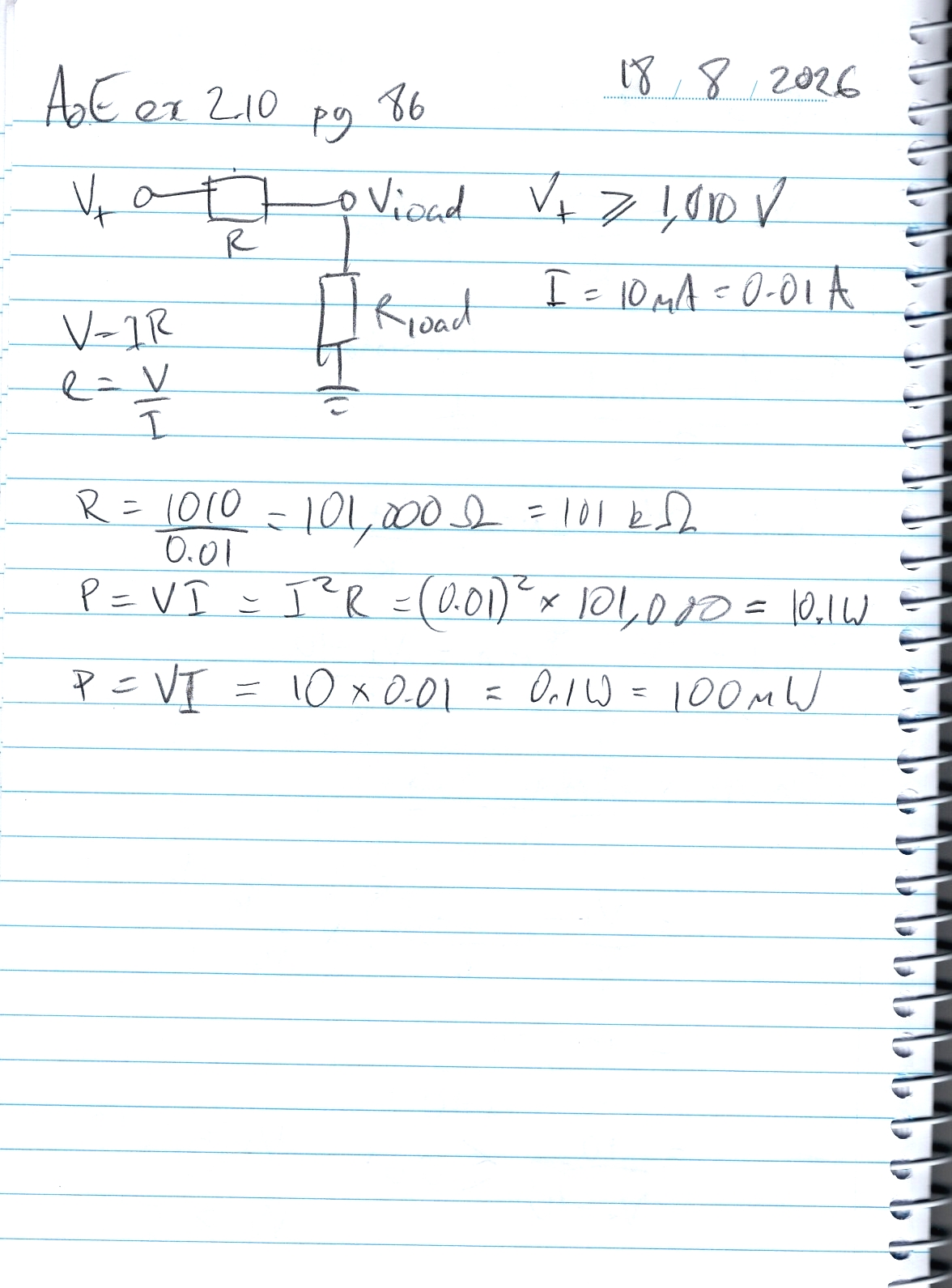
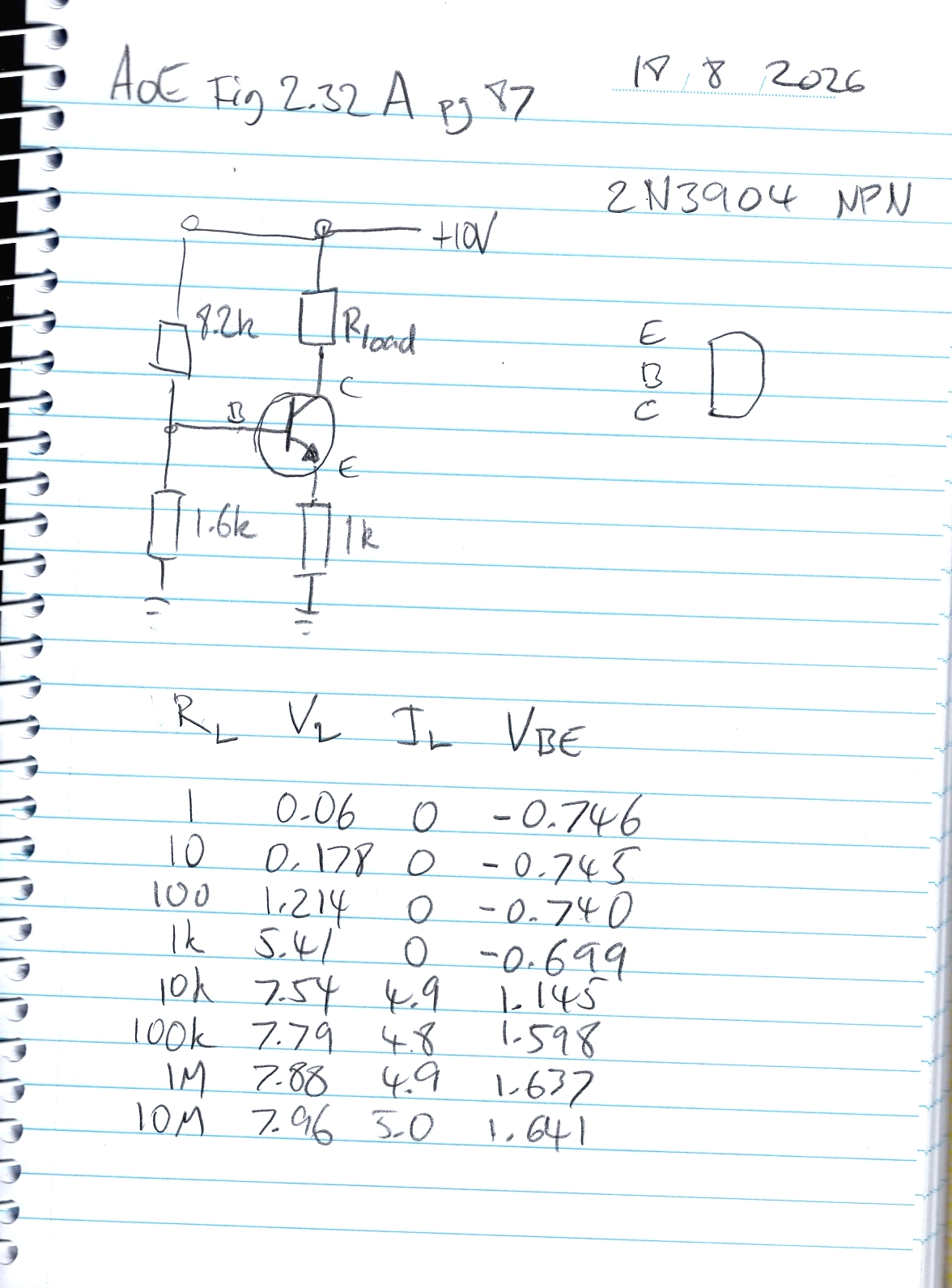
In this video we continue working through Learning the Art of Electronics. Today we don’t do any course work, rather we do two exercises from the text, AoE ex 2.9 and 2.10 on page 86, and make a BJT-based current source as described in AoE Figure 2.32 on page 87.
These are the results I got as I varied the load resistance:
Thanks very much for watching! And please remember to hit like and subscribe! :)
p.s. today I added AoE to my spell check.
Following is a product I use picked at random from my collection which may appear in my videos. Clicking through on this to find and click on the green affiliate links before purchasing from eBay or AliExpress is a great way to support the channel at no cost to you. Thanks!
Silly Job Title: Spark Specialist. I am the Spark Specialist!
In this video we unbox our HP Prime graphing calculator.
Thanks very much for watching! And please remember to hit like and subscribe! :)
Update: there was some confusion when I made this video. I ordered the G2 model but when it arrived I couldn’t find any G2 branding on my device so I mistakenly thought I had been sent a G1 instead. In fact I had not. I did in fact receive a G2, it’s just that the G2 branding was very subtle and I missed it. The only indication seems to be a small “G2” on the back under the HP logo. Also I heard that the G2 model came with a USB-C connection, but that is wrong. My G2 has a USB-Micro connection, which I believe is standard.
Following is a product I use picked at random from my collection which may appear in my videos. Clicking through on this to find and click on the green affiliate links before purchasing from eBay or AliExpress is a great way to support the channel at no cost to you. Thanks!
Thanks very much for watching! And please remember to hit like and subscribe! :)
p.s. today I added BNC, BNC-SMA, Xylitol, html, Thermocouple, CAS, LCR, Brushless, IGBT, Triode, PWM, LiPo, LiFe/em>, NiMH, and NiCd to my spell check.
Following is a product I use picked at random from my collection which may appear in my videos. Clicking through on this to find and click on the green affiliate links before purchasing from eBay or AliExpress is a great way to support the channel at no cost to you. Thanks!
Update: there is conflicting information on the interwebs regarding the “fix” for this programmer. Some people say you should do it. Other people say it isn’t necessary. You decide!
Silly Job Title: Connector Kingpin. I am the Connector Kingpin!
In this video we continue working through Learning the Art of Electronics. Today we don’t do any course work, rather we do selected readings about current sources found in the text.
When we continue next week we will do the various exercises we ran out of time to do today, and build some current sources, starting probably with a BJT version.
Thanks very much for watching! And please remember to hit like and subscribe! :)
p.s. today I added BJT and Cascode to my spell check.
Following is a product I use picked at random from my collection which may appear in my videos. Clicking through on this to find and click on the green affiliate links before purchasing from eBay or AliExpress is a great way to support the channel at no cost to you. Thanks!
I am sorry for the poor focus and zooming in this video. I have ordered a new camera which should help me to minimize issues like this in future videos.
Thanks very much for watching! And please remember to hit like and subscribe! :)
Following is a product I use picked at random from my collection which may appear in my videos. Clicking through on this to find and click on the green affiliate links before purchasing from eBay or AliExpress is a great way to support the channel at no cost to you. Thanks!