I’m a huge fan of ElectrArc240 who has recently released a new video: Every Component of a Linear Power Supply Explained (while building one).
Every Component of a Linear Power Supply Explained
Reply

I’m a huge fan of ElectrArc240 who has recently released a new video: Every Component of a Linear Power Supply Explained (while building one).
This post is part of my video blog and you can find more information about this video over here.
You can support this channel on Patreon: patreon.com/JohnElliotV
In this video I do the Mini Project JMP002 developed and published by Silicon Chip magazine and sponsored by Jaycar Electronics.
The code for this project is here: XC3730_LAVA_LAMP_COLOURS.ino.
The parts for this project are these:
The links for this video are these:
Thanks very much for watching! And please remember to hit like and subscribe! :)
Following is a product I use picked at random from my collection which may appear in my videos. Clicking through on this to find and click on the green affiliate links before purchasing from eBay or AliExpress is a great way to support the channel at no cost to you. Thanks!
Yum Cha Macro Programmable 8-Key Mechanical Keyboard |
Let’s go shopping!
This post is part of my video blog and you can find more information about this video over here.
You can support this channel on Patreon: patreon.com/JohnElliotV
In this video I open my mail. I got some stuff from Amazon and AliExpress:
The book that I mention I’m doing a new book teardown for is God Created the Integers, so keep your eye out for that coming up soon on the main channel.
The cable-making video I mention is this one: Electronics Project #5: Hook Clip Test Probes to DuPont Jumpers | In The Lab With Jay Jay.
Thanks very much for watching! And please remember to hit like and subscribe! :)
Following is a product I use picked at random from my collection which may appear in my videos. Clicking through on this to find and click on the green affiliate links before purchasing from eBay or AliExpress is a great way to support the channel at no cost to you. Thanks!
Yum Cha Universal Magnetic Ring Drill Bit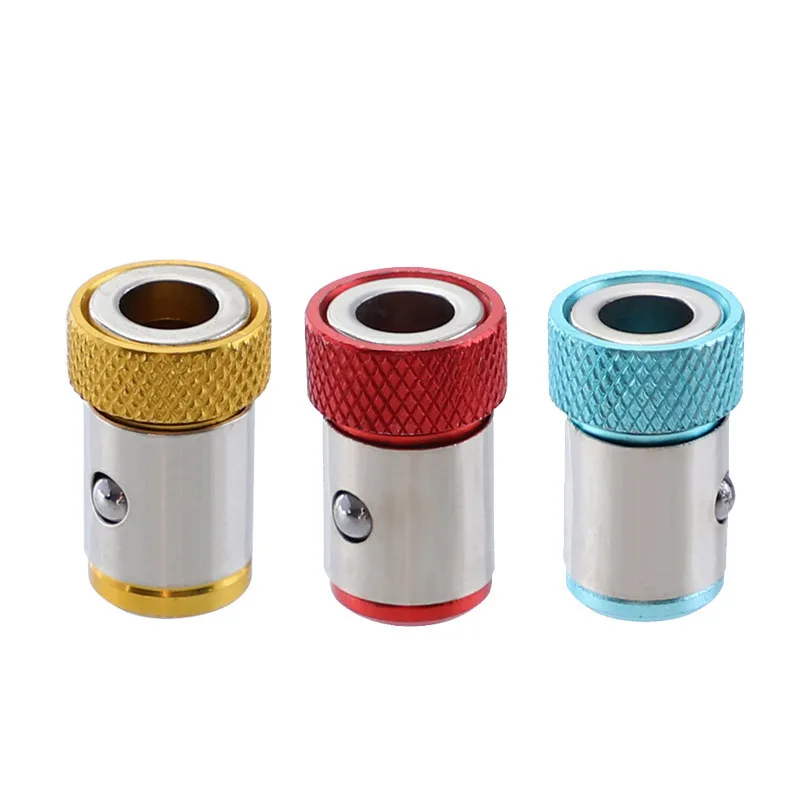 |
Let’s go shopping!
Mum is roasting a chicken and my Air Quality Meter started alarming. The oven in the kitchen is smoking too much! This thing is super sensitive, it’s great, I’m glad I got it! The other day while I was soldering with the window closed it started alarming too. It’s good to have something reminding you about air quality.
Over on Hackaday Give Your SMD Components A Lift they linked to How To Lift SMD Pins Safely – IC Pin Lifting / Soldering by Mr SolderFix.
This post is part of my video blog and you can find more information about this video over here.
You can support this channel on Patreon: patreon.com/JohnElliotV
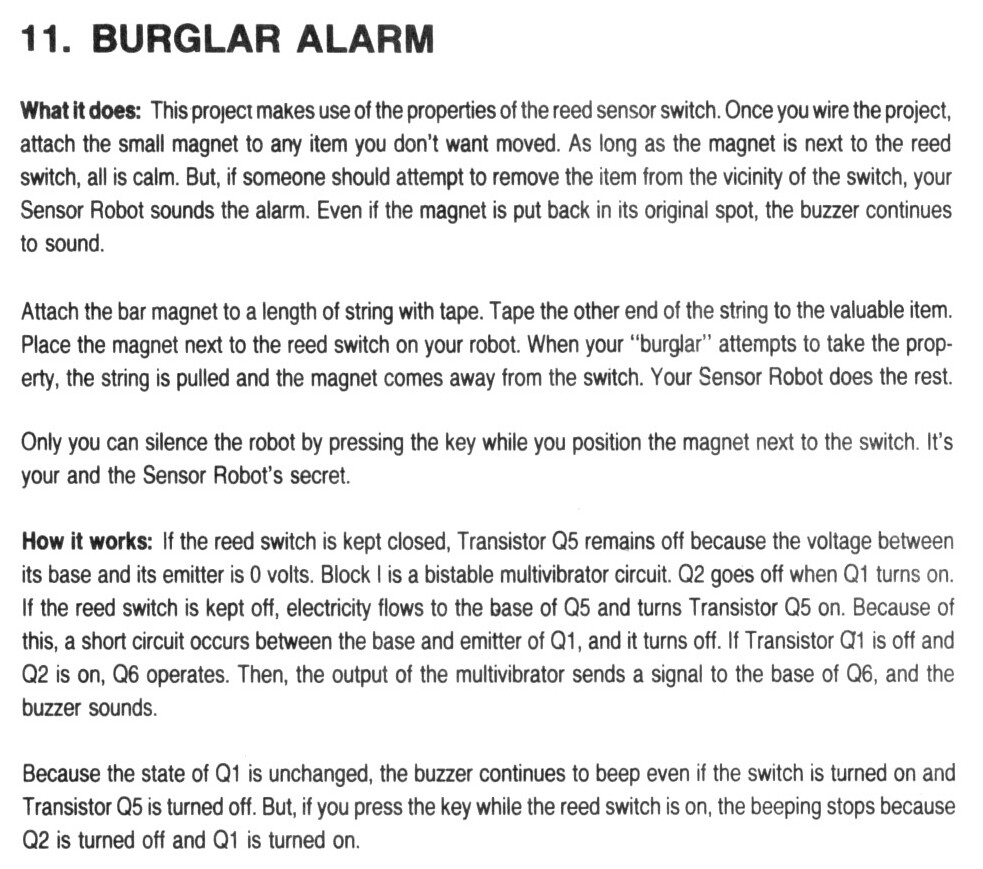
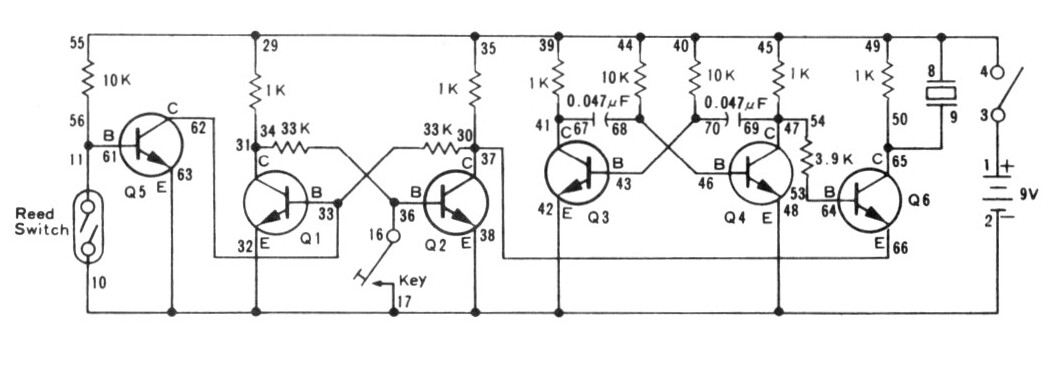
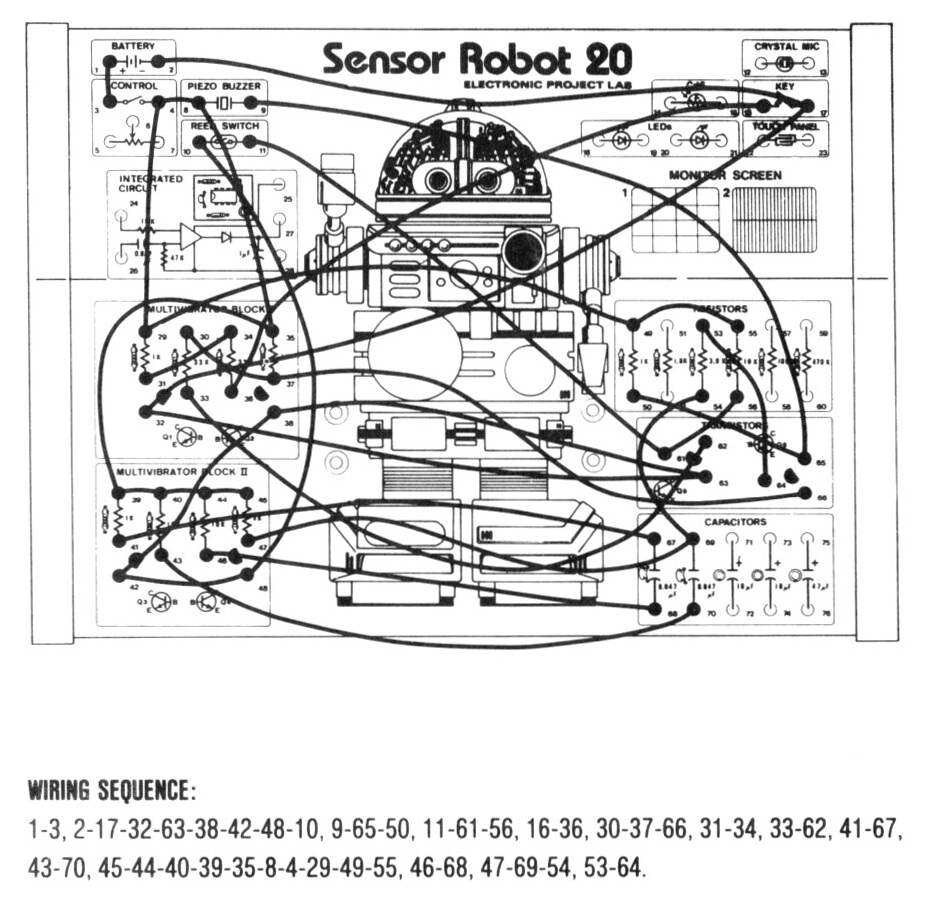
In this video I do the 11th project from the Maxitronix 20in1 (the Sensor Robot 20): Burglar Alarm.
This project uses the reed switch to trigger a bistable multivibrator that controls an alarm. The bistable multivibrator can be reset with the key. An astable multivibrator is used to generate the tone for the audible alarm.
In this project we get some more experience with transistors and how they can be used in various types of multivibrator circuit. Under the thermal camera we can see some of the transistors warming up as they conduct electricity. With the oscilloscope we can see the periodic waveform used to generate the alarm tone.
Note: while I was making this video I needed to make some banana plug to hook clip cables (so that I could test the reed switch). I made a video of my making those cables which you can see here: Electronics Project #9: Making Banana Plug to Hook Clip Cables | In The Lab With Jay Jay.
Thanks very much for watching! And please remember to hit like and subscribe! :)
Following is a product I use picked at random from my collection which may appear in my videos. Clicking through on this to find and click on the green affiliate links before purchasing from eBay or AliExpress is a great way to support the channel at no cost to you. Thanks!
Yum Cha KT-908 Digital Thermometer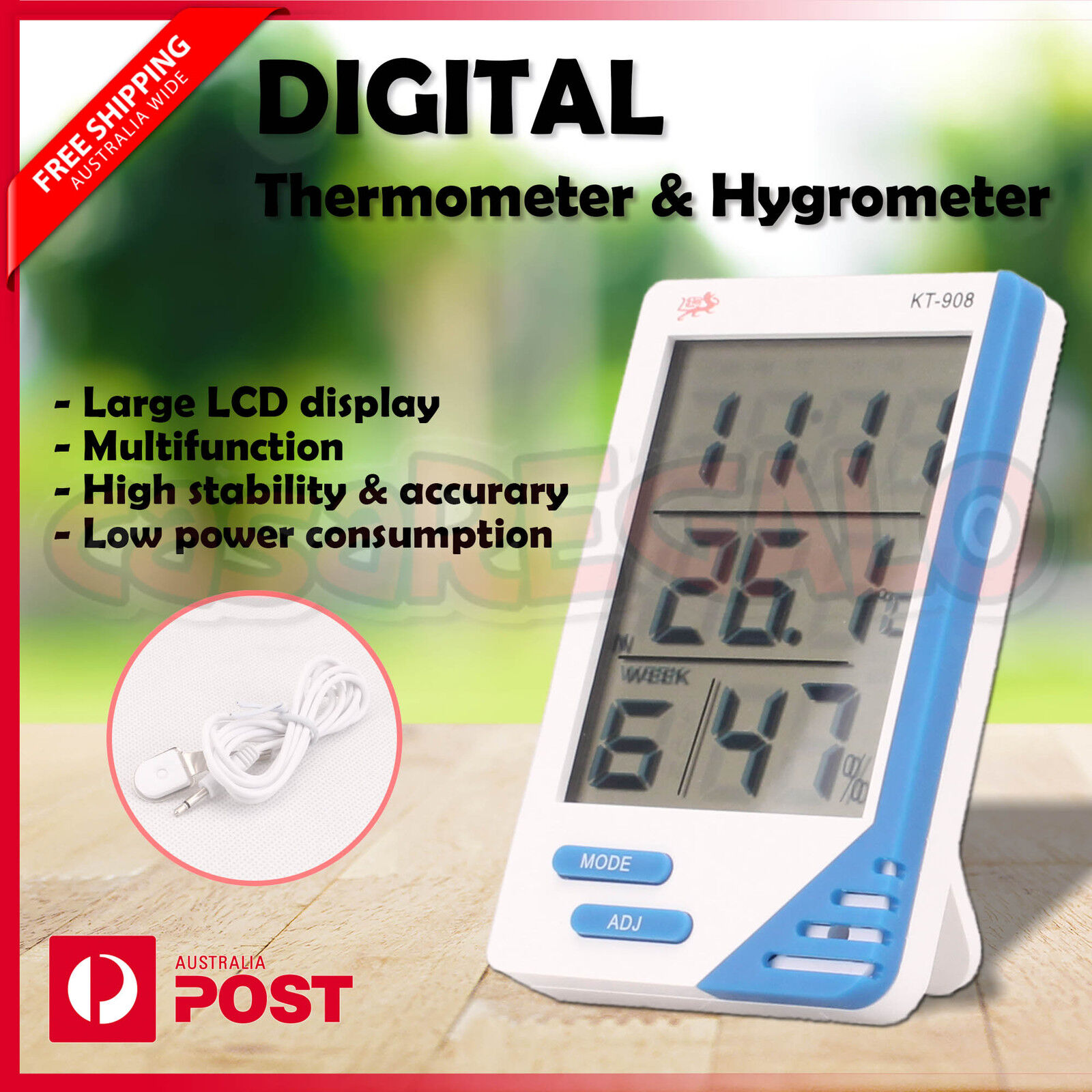 |
Let’s go shopping!
This post is part of my video blog and you can find more information about this video over here.
You can support this channel on Patreon: patreon.com/JohnElliotV
Silly Job Title: Outlet Overlord
In this video I make a few cables. I connect test hook clips to banana plugs.
Thanks very much for watching! And please remember to hit like and subscribe! :)
Following is a product I use picked at random from my collection which may appear in my videos. Clicking through on this to find and click on the green affiliate links before purchasing from eBay or AliExpress is a great way to support the channel at no cost to you. Thanks!
Yum Cha Dual-Purpose Sanding Stick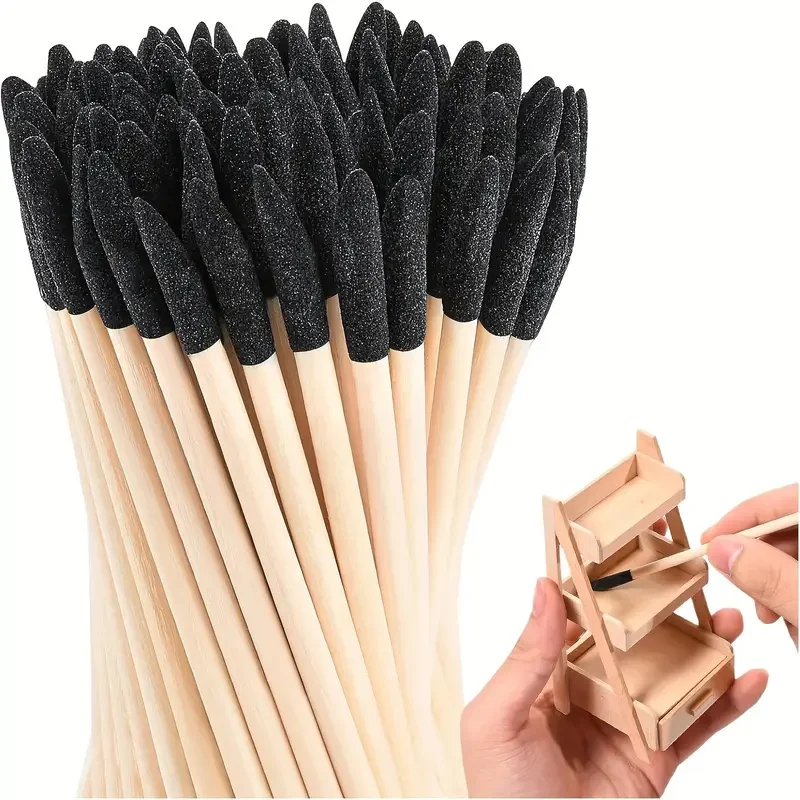 notes notes |
Let’s go shopping!
This post is part of my video blog and you can find more information about this video over here.
You can support this channel on Patreon: patreon.com/JohnElliotV
In this video I take a quick look at what has arrived lately from AliExpress:
Thanks very much for watching! And please remember to hit like and subscribe! :)
Following is a product I use picked at random from my collection which may appear in my videos. Clicking through on this to find and click on the green affiliate links before purchasing from eBay or AliExpress is a great way to support the channel at no cost to you. Thanks!
Maxitronix Electronic Metal Detector Kit Electronics Project notes notes |
Let’s go shopping!
Today I watched Most Important Skills for Electrical Engineering.
Stuff I need to learn includes:
He listed some important soft skills which included:
Today I found Quake ported to Arduino Nano Matter and Sparkfun Thing Plus Matter Boards via this article from Hackaday: Quake In 276 KB Of RAM.
The code is on GitHub and there’s a YouTube video with a high-level explanation.
.jpg)