This is cool: Dumb to managed switch conversion. The author takes a cheap switch and upgrades it to support VLANs.
Dumb to managed switch conversion
Reply

This is cool: Dumb to managed switch conversion. The author takes a cheap switch and upgrades it to support VLANs.
I’m reading Proofs: A Long-Form Mathematics Textbook and it referred me to this article: The Secret to Raising Smart Kids. It’s an interesting read.
The book has a website, over here: https://longformmath.com/
This is good: The Six Dumbest Ideas in Computer Security.
It referenced this, which is also good: Personal observations on the reliability of the Shuttle by R.P. Feynman.
Had a quick read of this old chestnut: OWASP SCP Quick Reference Guide v2.
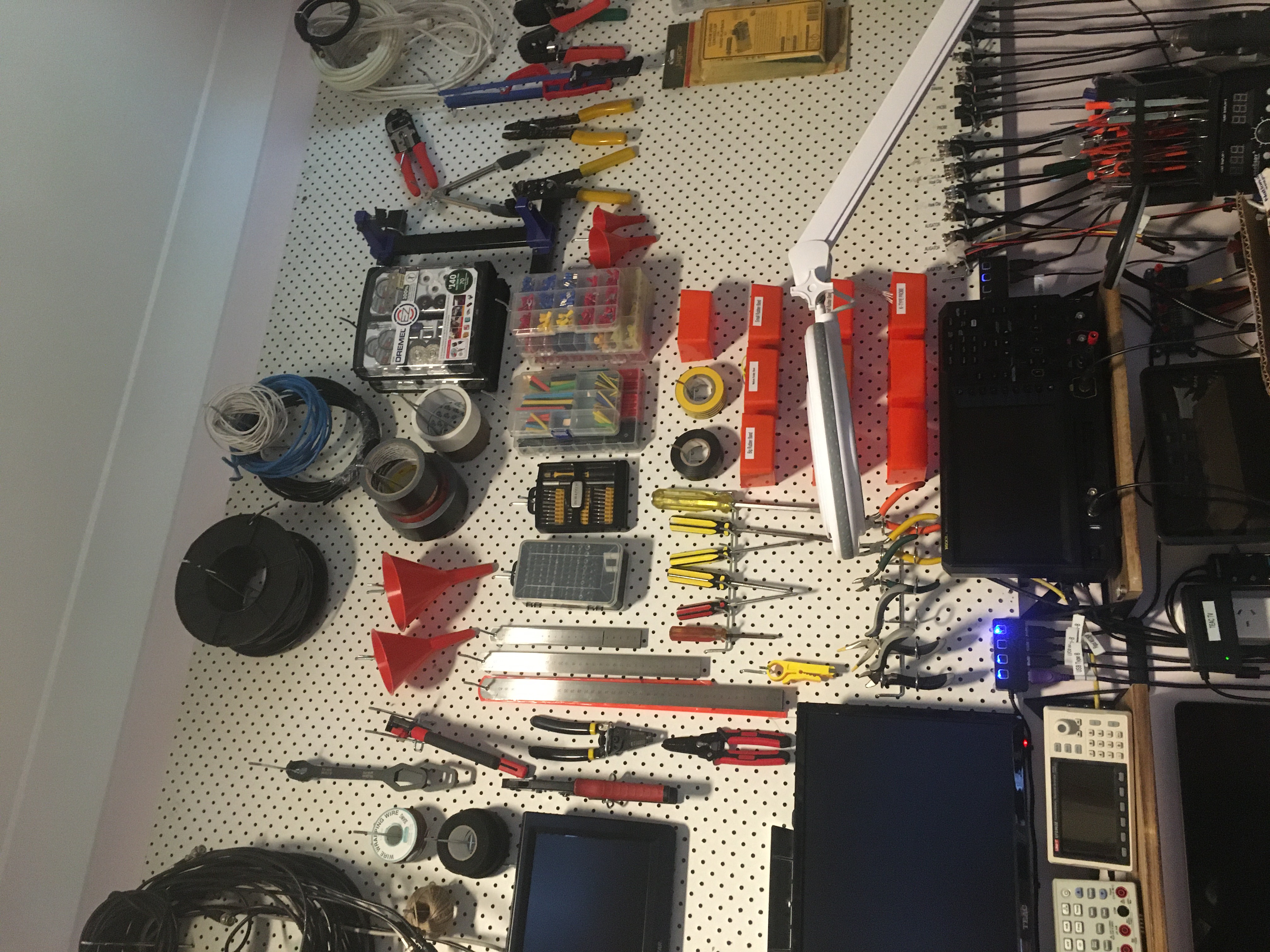
When I was ordering my Arlec safety device Bunnings suggested I might want this Sandleford 4 Piece Funnel Set for $4.49, and how could I say no?
The new funnels have taken their place on the peg board:
Thanks to my mate Raz I now have an Arlec Single Outlet Safety Switch from Bunnings. It’s a 30mA residual-current device (RCD), which is a type of earth-leakage circuit breaker (ELCB).
Over here:
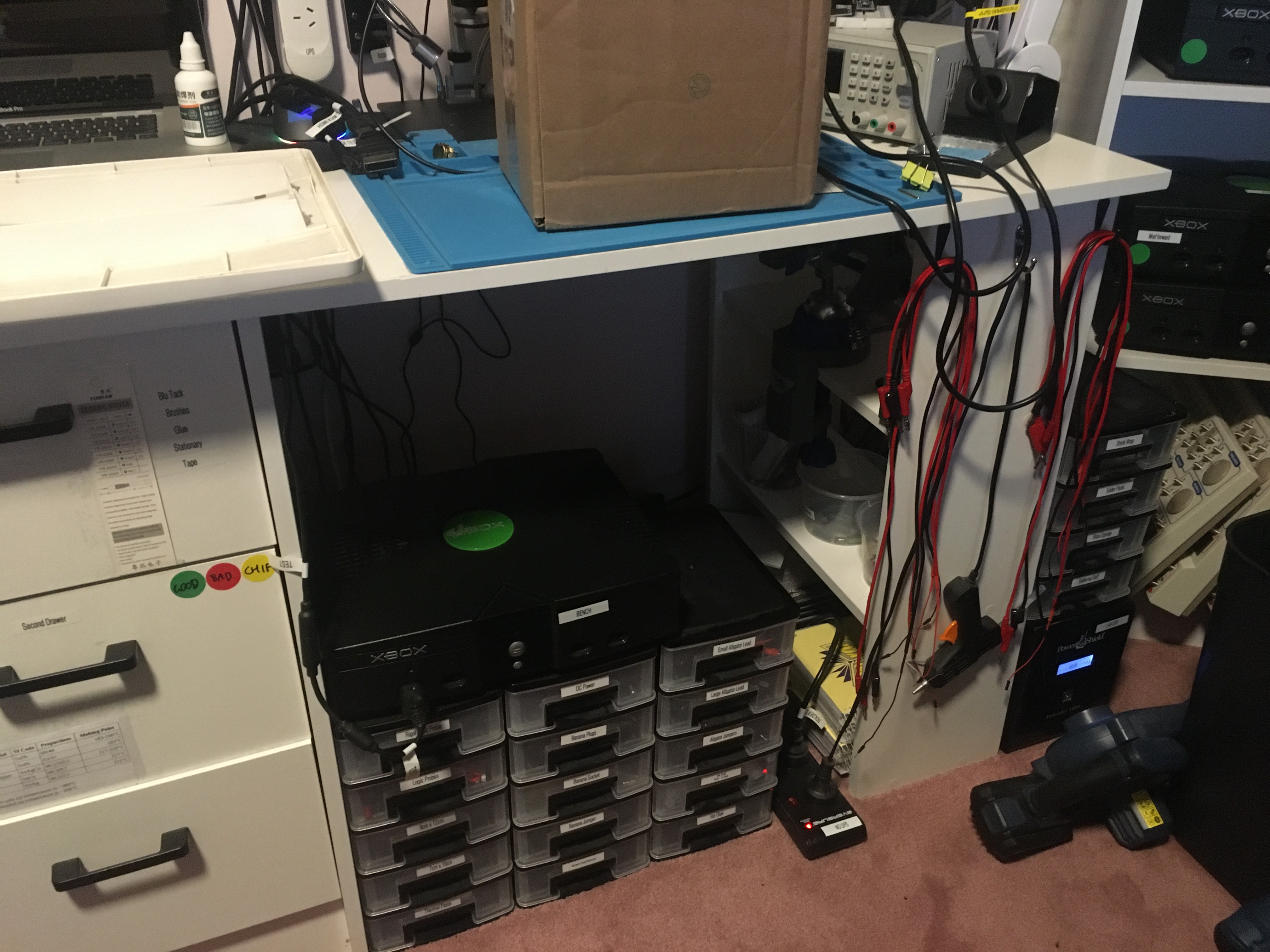
You can see my bench UPS in the bottom right:
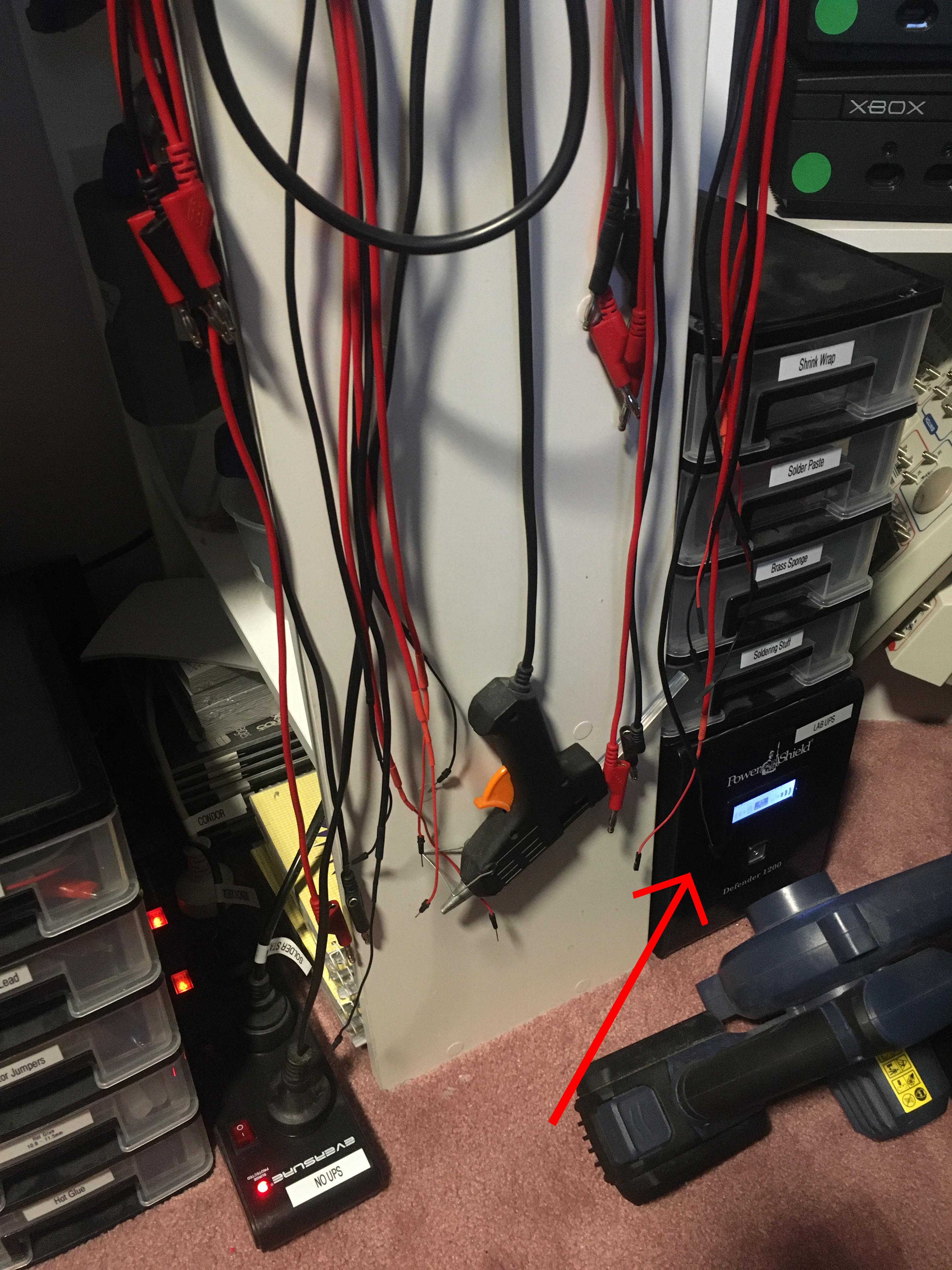
It’s a PowerShield Defender 1200VA.
The UPS then has the Arlec device in the back of it, which then powers the rest of my bench (behind the scissors):
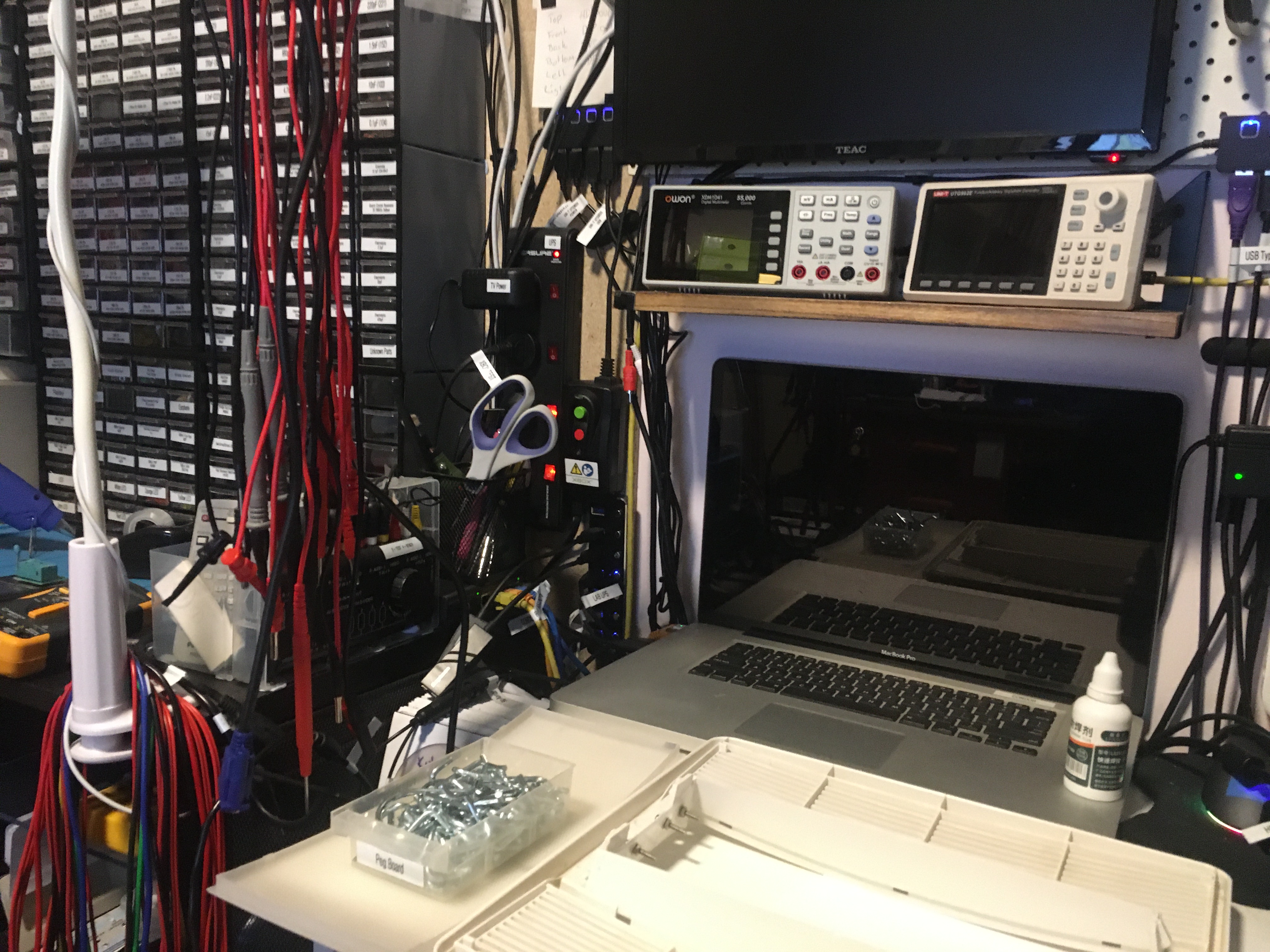
You can see I still have my Xbox power cable plugged in. We’re not sure exactly what that does. In addition to an electronic fuse maybe an RCD or maybe an arc-fault circuit interrupter (AFCI) or maybe all of the above.
Over on Two simple ways to version control your MariaDB schema changes I learned a neat hack you can use to check for database schema revisions by reporting off the binlog.
The example command given was:
$ mysqlbinlog --no-defaults -R -u foo -p -d foodb -h db.home.arpa mysqld-bin.000001 > foodb.txt
Today I discovered Repology. It provides info on distribution repositories and their project versions.
My copy of MySQL Workbench doesn’t play 100% nice with my MariaDB install, so I checked out the Database Workbench software recommended by MariaDB and in the end I downloaded a trial version. It runs okay under Wine, so gonna check it out.
I read Something Pretty Right: A History of Visual Basic and found this interesting quote:
“They weren’t called ‘controls’ originally. Alan was going to call them ‘waldos’, named after remote manipulator arms. I couldn’t make sense out of that name, so I called them ‘gizmos’. Microsoft must have thought this name was too frivolous, so they renamed them ‘controls’.”