Learning the Art of Electronics: 1L.4.1 Internal resistance of the movement | In The Lab

This post is part of my video blog and you can find more information about this video.

You can support this channel on Patreon: patreon.com/JohnElliotV

Silly Job Title: Tech Lead. I am the Tech Lead!

In this video we continue to work our way through Learning the Art of Electronics. In this video we continue with 1L Lab: DC Circuits and measure the internal resistance of our meter movement.

We use the METCAL PS-900 Soldering Station for soldering.

We use the Pro’sKit SS-331H Desoldering Pump to desolder (unsuccessfully).

We use the Riden RD6006 Bench Power Supply to provide 1V power for testing.

We use the Fluke 17B+ Digital Multimeter to measure current/voltage/resistance.

We use the EEVblog BM2257 Digital Multimeter to measure current/voltage/resistance.

We use the Brother P-Touch D210 Label Maker to label our circuit.

We use the Sharp EL-546L Scientific Calculator to calculate our values.

We use the ElectroCookie PCB Prototype Solderable Breadboard to make our circuit on.

We use the Multicomp Pro MP701033 Resistor Decade Box to provide test resistances.

We use the WilliamKlein Music Stand to hold our textbook.

We use the Carpenter Mechanical Pencil to take notes.

We use the Hakko CHP 3C-SA Precision Tweezers for tweezering.

We use the Plato Model 170 Wire Cutter to cut wires and trim leads.

We use the Kaisi S-160 45x30cm Repair Mat as our workspace.

The circuit I make in this video for interfacing the meter movement is JJ001:

Photo of circuit JJ001

Thanks very much for watching! And please remember to hit like and subscribe! :)


Following is a product I use picked at random from my collection which may appear in my videos. Clicking through on this to find and click on the green affiliate links before purchasing from eBay or AliExpress is a great way to support the channel at no cost to you. Thanks!

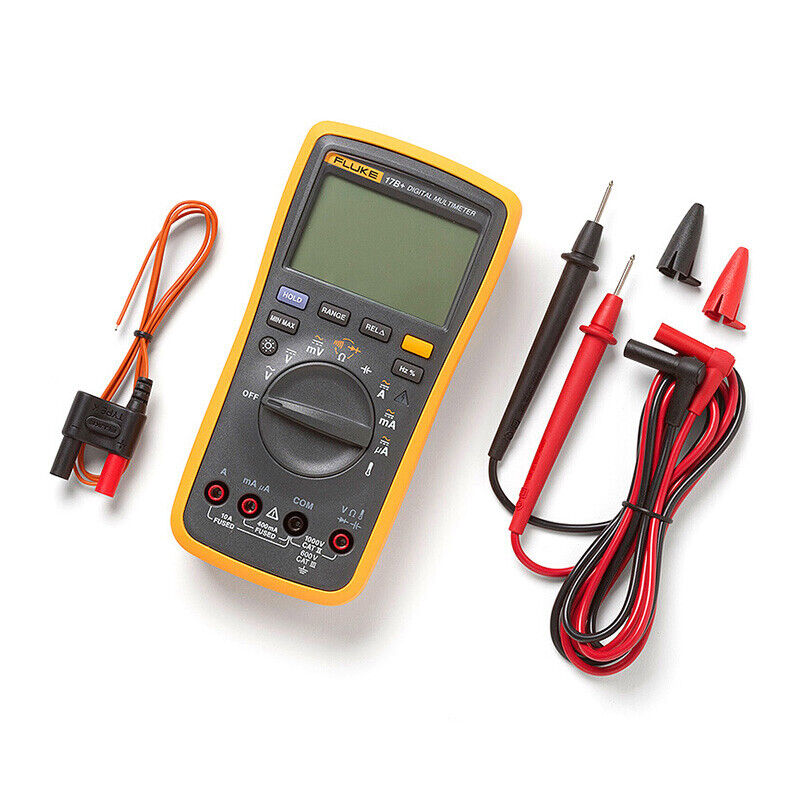
Fluke 17B+ Digital MultimeterThis is an image of the product.

Let’s go shopping!

Learning the Art of Electronics: 1L.3 Voltage divider | Learning Electronics In The Lab With Jay Jay

This post is part of my video blog and you can find more information about this video.

You can support this channel on Patreon: patreon.com/JohnElliotV

Silly Job Title: Note Taker. I am the Note Taker!

In this video we continue to work our way through Learning the Art of Electronics. In this video we continue with 1L Lab: DC Circuits and make a voltage divider.

We use the METCAL PS-900 Soldering Station for soldering.

We use the Riden RD6006 Bench Power Supply for 15V power.

We use the Fluke 17B+ Digital Multimeter to measure voltage and resistance.

We use the EEVblog BM2257 Digital Multimeter to measure voltage and current.

We use the Brother P-Touch D210 Label Maker to label our circuit.

We use the ElectroCookie PCB Prototype Solderable Breadboard to make our circuit on.

We use the Multicomp Pro MP701033 Resistor Decade Box for variable resistance.

We use the WilliamKlein Music Stand to hold our textbook.

We use the Scotch Titanium Scissors to cut, cut, cut.

We use the Carpenter Mechanical Pencil to make notes.

We use the Hakko CHP 3C-SA Precision Tweezers for tweezering.

We use the Plato Model 170 Wire Cutter to cut, cut, cut.

We use the Kaisi S-160 45x30cm Repair Mat as our workspace.

Thanks very much for watching! And please remember to hit like and subscribe! :)


Following is a product I use picked at random from my collection which may appear in my videos. Clicking through on this to find and click on the green affiliate links before purchasing from eBay or AliExpress is a great way to support the channel at no cost to you. Thanks!

MECHANIC Hard BrushThis is an image of the product.

Let’s go shopping!

Learning the Art of Electronics: 1L.2.4.1 Measure Your DVM’s current output in diode test mode | In The Lab

This post is part of my video blog and you can find more information about this video.

You can support this channel on Patreon: patreon.com/JohnElliotV

Silly Job Title: Wattage Warlock. I am the Wattage Warlock!

In this video we continue to work our way through Learning the Art of Electronics. In this video we continue with 1L Lab: DC Circuits and measure our DVM’s current output in diode test mode.

We use the Fluke 17B+ Digital Multimeter for voltage and current measurements.

We use the EEVblog BM2257 Digital Multimeter for voltage and current measurements.

We use the Carpenter Mechanical Pencil to take notes.

We use the Kaisi S-160 45x30cm Repair Mat as our workspace.

Thanks very much for watching! And please remember to hit like and subscribe! :)


Following is a product I use picked at random from my collection which may appear in my videos. Clicking through on this to find and click on the green affiliate links before purchasing from eBay or AliExpress is a great way to support the channel at no cost to you. Thanks!

Yum Cha 9 in 1 Air Quality MeterThis is an image of the product.

Let’s go shopping!

Learning the Art of Electronics: 1L.2.3.1 An experiment: Try your DVM’s resistance measurement | In The Lab

This post is part of my video blog and you can find more information about this video.

You can support this channel on Patreon: patreon.com/JohnElliotV

Silly Job Title: Surge Sage. I am the Surge Sage!

In this video we continue to work our way through Learning the Art of Electronics. In this video we continue with 1L Lab: DC Circuits and do an experiment: try your DVM’s resistance measurement.

Today we do some experiments to determine the voltage used by our DVM when it is in resistance-measuring mode.

We use the Fluke 17B+ Digital Multimeter to measure resistance and voltage.

We use the EEVblog BM2257 Digital Multimeter to measure resistance and voltage.

We use the Multicomp Pro MP701033 Resistor Decade Box as our variable resistor.

We use the Carpenter Mechanical Pencil to take notes.

We use the Kaisi S-160 45x30cm Repair Mat as our workspace.

Thanks very much for watching! And please remember to hit like and subscribe! :)


Following is a product I use picked at random from my collection which may appear in my videos. Clicking through on this to find and click on the green affiliate links before purchasing from eBay or AliExpress is a great way to support the channel at no cost to you. Thanks!

Yum Cha Magnetic Claw Pickup ToolThis is an image of the product.notes

Let’s go shopping!

Learning the Art of Electronics: 1L.2.2.1 An experiment: Try your DVM’s current-measurement burden | In The Lab

This post is part of my video blog and you can find more information about this video.

You can support this channel on Patreon: patreon.com/JohnElliotV

Silly Job Title: Electron Enchanter. I am the Electron Enchanter!

In this video we continue to work our way through Learning the Art of Electronics. In this video we start 1L Lab: DC Circuits.

Today we do some experiments to determine the voltage burden of our DVM when it is in current-measuring mode.

We use the Riden RD6006 Bench Power Supply to power our test circuit.

We use the Fluke 17B+ Digital Multimeter to measure current and voltage.

We use the EEVblog BM2257 Digital Multimeter to measure current and voltage.

We use the EEVblog BM036 Digital Multimeter to measure current.

We use the Multicomp Pro MP701033 Resistor Decade Box as our variable resistor.

We use the Carpenter Mechanical Pencil to take notes.

We use the Kaisi S-160 45x30cm Repair Mat as our workspace.

Thanks very much for watching! And please remember to hit like and subscribe! :)


Following is a product I use picked at random from my collection which may appear in my videos. Clicking through on this to find and click on the green affiliate links before purchasing from eBay or AliExpress is a great way to support the channel at no cost to you. Thanks!

Maxitronix 10in1 Electronics Project Lab KitThis is an image of the product.notes

Let’s go shopping!

Learning the Art of Electronics: Fig-1N.6: Kirchhoff’s Voltage Law | In The Lab With Jay Jay

This post is part of my video blog and you can find more information about this video.

You can support this channel on Patreon: patreon.com/JohnElliotV

Silly Job Title: Plugerinerer. I am the Plugerinerer!

In this video we continue to work our way through Learning the Art of Electronics. In this video we finish the first chapter 1N DC Circuits.

Today we do some experiments to verify Kirchhoff’s Voltage Law.

We use the Riden RD6006 Bench Power Supply for power.

We use the Fluke 17B+ Digital Multimeter to measure current.

We use the EEVblog BM2257 Digital Multimeter to measure voltage.

We use the EEVblog BM036 Digital Multimeter to measure current.

We use the Sharp EL-546L Scientific Calculator to crunch some numbers.

We use the Multicomp Pro MP701033 Resistor Decade Box for variable resistance.

We use the Carpenter Mechanical Pencil to make our notes.

We use the Kaisi S-160 45x30cm Repair Mat as our workspace.

Thanks very much for watching! And please remember to hit like and subscribe! :)


Following is a product I use picked at random from my collection which may appear in my videos. Clicking through on this to find and click on the green affiliate links before purchasing from eBay or AliExpress is a great way to support the channel at no cost to you. Thanks!

Wozniak Solder LugsThis is an image of the product.notes

Let’s go shopping!

Learning the Art of Electronics: Fig-1N.33: Circuit A Drives Circuit B | In The Lab With Jay Jay

This post is part of my video blog and you can find more information about this video.

You can support this channel on Patreon: patreon.com/JohnElliotV

Silly Job Title: Component Wrangler. I am the Component Wrangler!

In this video we continue to work our way through Learning the Art of Electronics. We have nearly finished the 1N DC Circuits chapter. Today we learned a new rule of thumb: when circuit A drives circuit B the output impedance of circuit A should be equal to or less than 10% of the input impedance of circuit B.

There is no prac this week, only theory. Next week we will complete this chapter and then we’re ready to proceed into our first lab chapter.

Thanks very much for watching! And please remember to hit like and subscribe! :)


Following is a product I use picked at random from my collection which may appear in my videos. Clicking through on this to find and click on the green affiliate links before purchasing from eBay or AliExpress is a great way to support the channel at no cost to you. Thanks!

Yum Cha 13MP HD Webcam With Mic USB CameraThis is an image of the product.

Let’s go shopping!

Learning the Art of Electronics: Fig-1N.32: various senses of “ground” | In The Lab With Jay Jay

This post is part of my video blog and you can find more information about this video.

You can support this channel on Patreon: patreon.com/JohnElliotV

Silly Job Title: Energy Elicitor. I am the Energy Elicitor!

In this video we keep on working through Learning the Art of Electronics chapter 1N DC Circuits.

There was no experiment recorded today due to time constraints. The new material covered was just a little bit regarding ground, the rest was revision. We will continue next Tuesday so stand by for that.

Thanks very much for watching! And please remember to hit like and subscribe! :)


Following is a product I use picked at random from my collection which may appear in my videos. Clicking through on this to find and click on the green affiliate links before purchasing from eBay or AliExpress is a great way to support the channel at no cost to you. Thanks!

Yum Cha Precision Disassembly Screwdriver Kit With SpudgersThis is an image of the product.

Let’s go shopping!

Learning the Art of Electronics: Fig-1N.29: DVM reading departs from ideal; we can infer Rin-DVM | In The Lab

This post is part of my video blog and you can find more information about this video.

You can support this channel on Patreon: patreon.com/JohnElliotV

Silly Job Title: Systems Architect. I am the Systems Architect!

In this video we keep on working through Learning the Art of Electronics chapter 1N DC Circuits. Today’s circuits are from Figure 1N.25: Set of similar voltage dividers: same Vthev, differing Rthev and Fig-1N.29: DVM reading departs from ideal; we can infer Rin-DVM.

We use the Tenma 72-10505 Bench Power Supply for a 20V power supply.

We use the EEVblog BM2257 Digital Multimeter as our DVM for measuring voltage.

We use the Sharp EL-546L Scientific Calculator to crunch some numbers.

We use the Multicomp Pro MP701033 Resistor Decade Box to provide the resistances used in our circuits.

We use the WilliamKlein Music Stand to hold our textbook.

We use the Carpenter Mechanical Pencil to make our notes.

We use the Hakko CHP 3C-SA Precision Tweezers for precision work.

We use the Kaisi S-160 45x30cm Repair Mat as our workspace.

Thanks very much for watching! And please remember to hit like and subscribe! :)


Following is a product I use picked at random from my collection which may appear in my videos. Clicking through on this to find and click on the green affiliate links before purchasing from eBay or AliExpress is a great way to support the channel at no cost to you. Thanks!

OULLX NSS-681HDMI-RJ45 Network Cable TesterThis is an image of the product.notes

Let’s go shopping!

Learning the Art of Electronics: Fig-1N.24: Applying the Thévenin model | In The Lab With Jay Jay

This post is part of my video blog and you can find more information about this video over here.

You can support this channel on Patreon: patreon.com/JohnElliotV

Silly Job Title: Switch Switcher.

In this video we build two circuits for Learning the Art of Electronics.

The pre-reading for today is up to and including page 18 of the course work. So if you have the book try to get that reading done.

In this video we test a circuit and its Thévenin model to see that they behave as expected. They do! But I’m still trying to get my head around all of the details…

I mention about my decade boxes. The good one is this one: Multicomp Pro MP701033 Resistor Box (I have ordered two more of these) and the crappy ones are these ones: Yum Cha J15026-2 6-Knob Resistor Box.

I also mention about the analog multimeters, this is the crappy one I have: Yum Cha MF-110A Analog VOM Handheld Multimeter and this is the slightly less crap one which I have on order: Pro’sKit MT-2207-C Analog VOM Handheld Multimeter.

In the video:

We use the METCAL PS-900 Soldering Station for soldering.

We use the EEVblog BM2257 Digital Multimeter to get our voltage and current readings.

We use the Riden RD6006 Bench Power Supply to power our test circuits.

We use the Brother P-Touch D210 Label Maker to label our circuits.

We use the Scotch Titanium Scissors to cut things.

We use the Carpenter Mechanical Pencil for writing our notes.

We use the Hakko CHP 3C-SA Precision Tweezers to do precision work.

We use the Plato Model 170 Wire Cutter to trim our leads and wires.

Thanks very much for watching! And please remember to hit like and subscribe! :)


Following is a product I use picked at random from my collection which may appear in my videos. Clicking through on this to find and click on the green affiliate links before purchasing from eBay or AliExpress is a great way to support the channel at no cost to you. Thanks!

JST XH2.54 Connector KitThis is an image of the product.

Let’s go shopping!