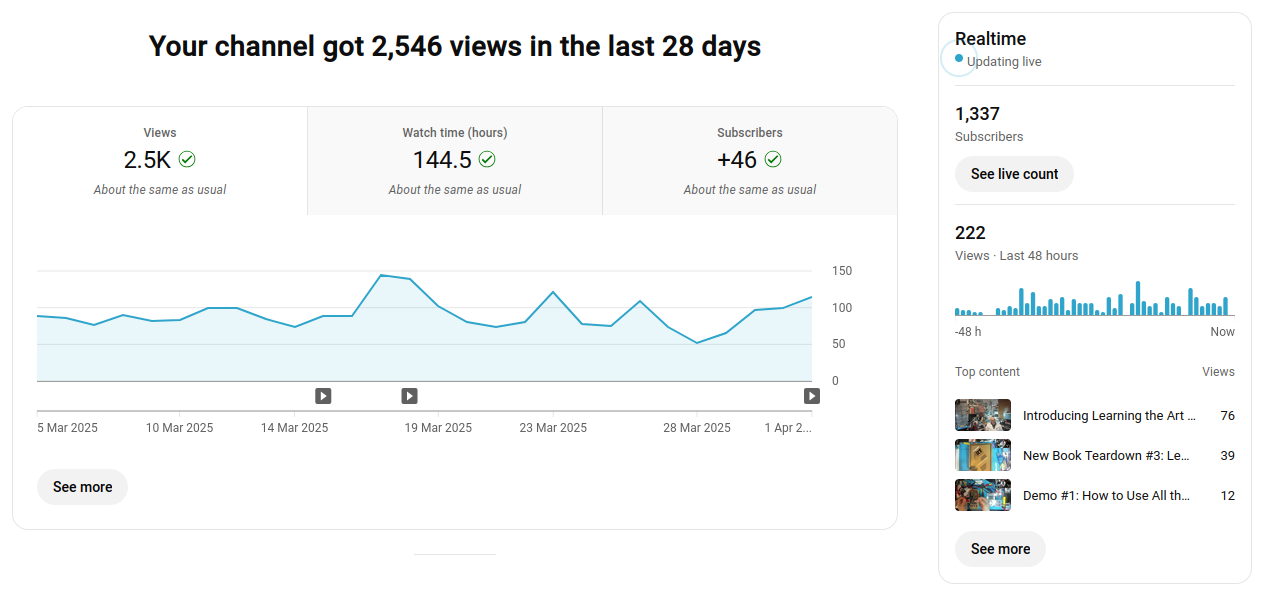
I am running late with Lab #1 from Learning the Art of Electronics. That video was meant to come out today, but I’ve pushed it back to next Tuesday so I have time to prepare the notes and record the lab.
See you next Tuesday? :)
Thanks very much for watching! And please remember to hit like and subscribe! :)
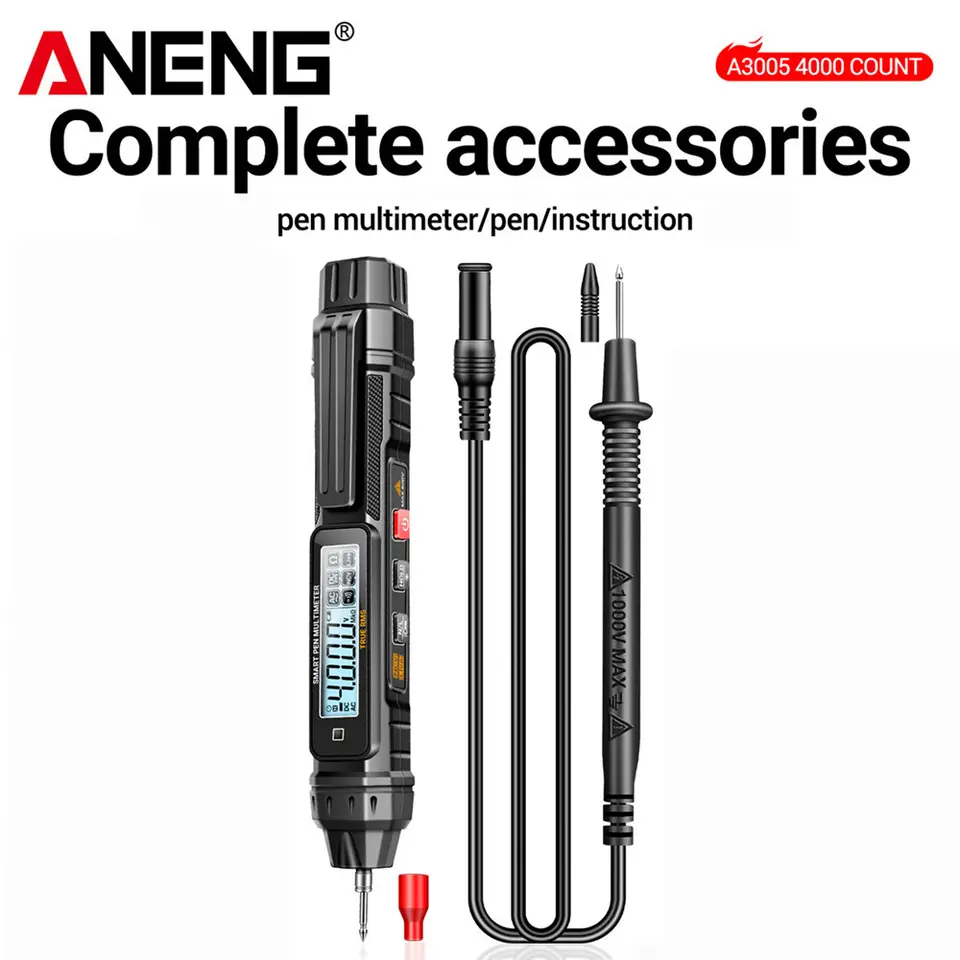
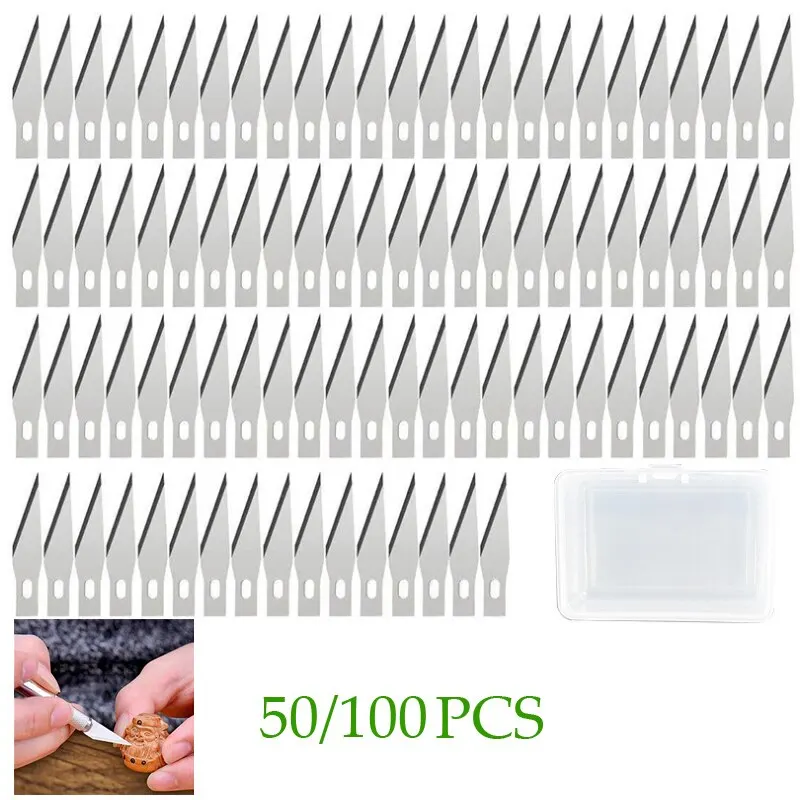
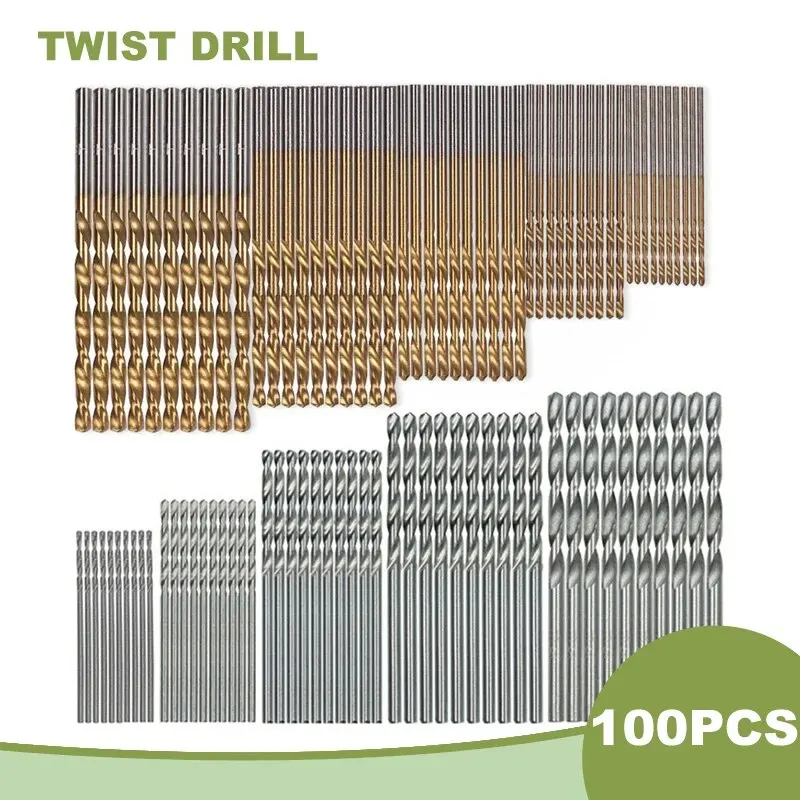
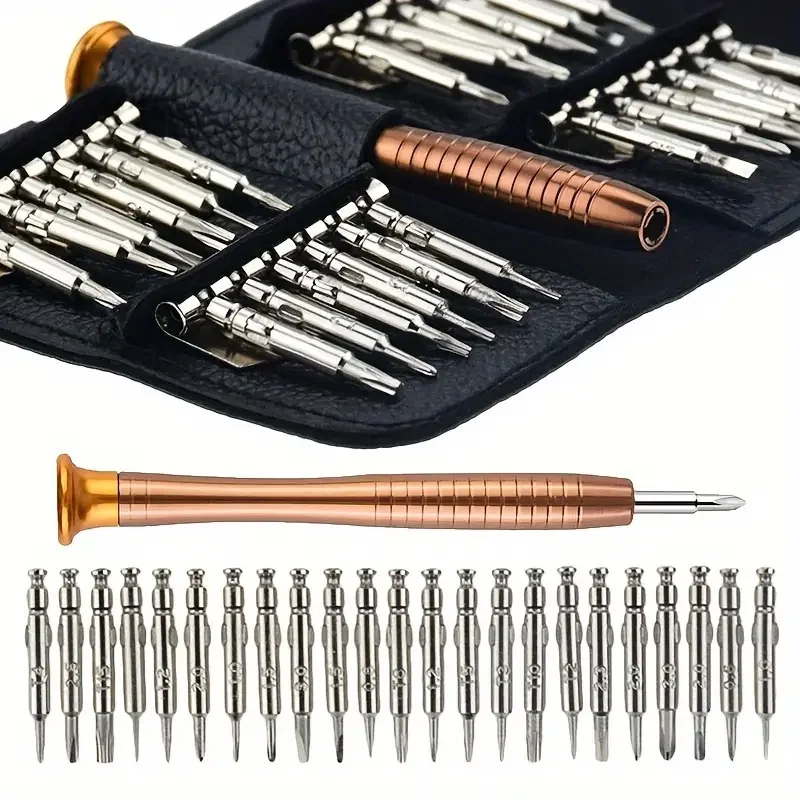
Following is a product I use picked at random from my collection which may appear in my videos. Clicking through on this to find and click on the green affiliate links before purchasing from eBay or AliExpress is a great way to support the channel at no cost to you. Thanks!
This video is me making a false start on the Learning the Art of Electronics series which I am just about to embark on. What happened was after I got a bit more than two hours into recording the video for the first lab exercise I realized that it was taking too long with my approach. I didn’t want to make another twelve hour video! I was planning to go through the literature in painstaking detail and cover everything, but it turned out there was way too much material for that approach to be feasible.
What I am planning to do instead for the actual first video (due out next Tuesday) is do all the reading by myself in advance and then offer a brief summary and some recommended reading. I’m going to try to make the bulk of the video the actual practical experiment/circuit and leave the reading out.
But since I recorded the video for this “false start” I figured there’d be no harm in posting it by itself. Most of this video is the Appendix O material from The Art of Electronics 3ed which is a brief introduction to oscilloscopes.
In this video we mention CMOS technology, particularly MOSFETs.
We mention the Josephson effect which can cause a current to flow across superconductors in the absence of an applied voltage.
If you’re planning to follow along with the series the pre-reading for the first video coming out on Tuesday is: E&M ch. 1, 2; PoEC ch. 1; AoE app. A, ch. 1; LtAoE ch. 1N, 1L.
Thanks very much for watching! And please remember to hit like and subscribe! :)
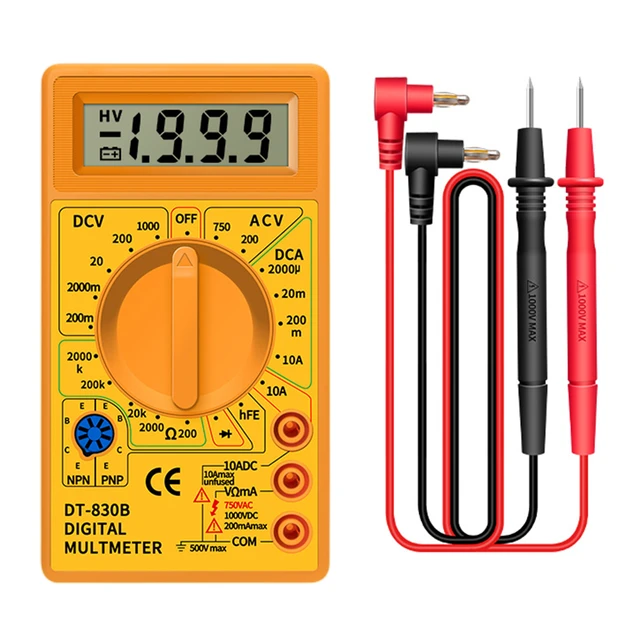
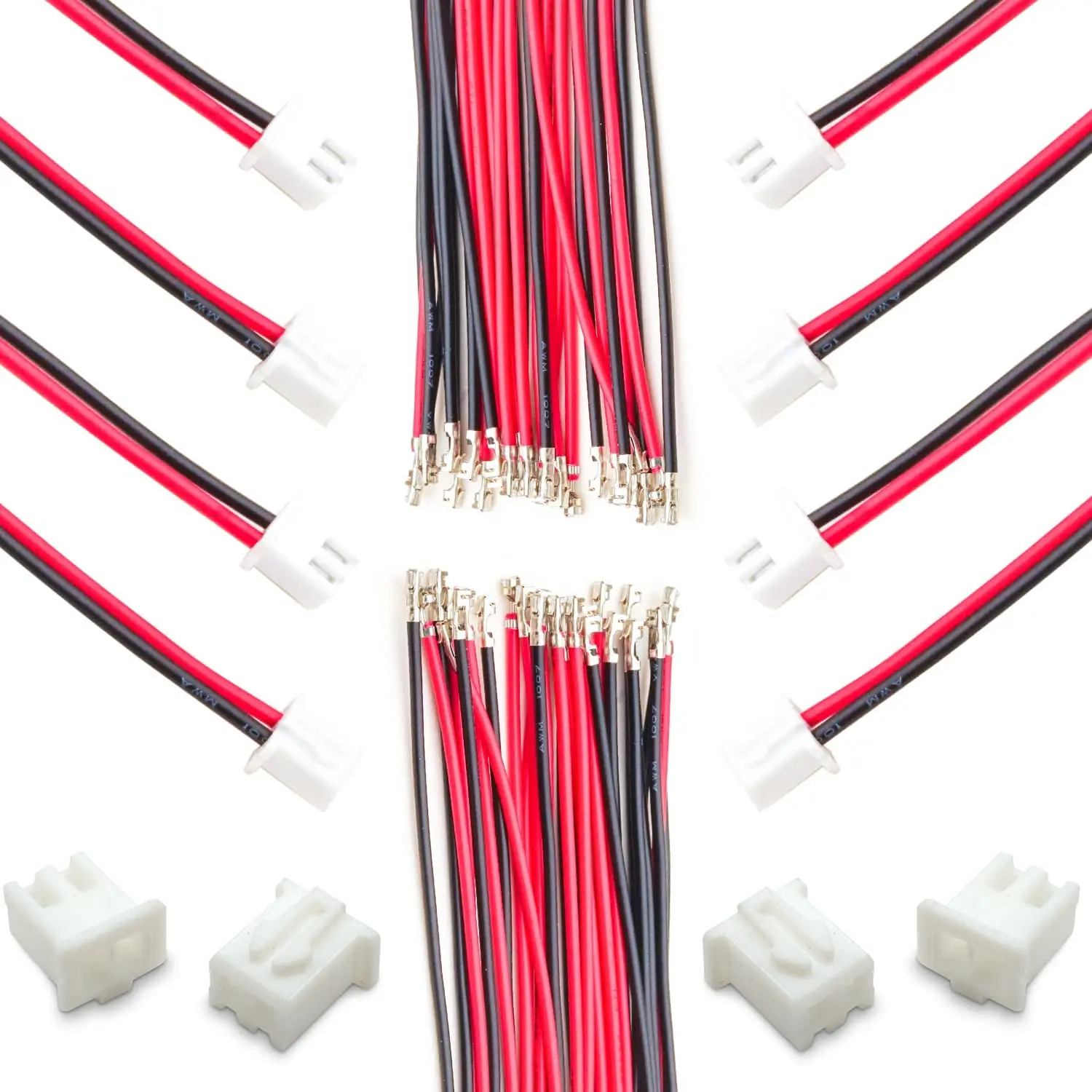
Following is a product I use picked at random from my collection which may appear in my videos. Clicking through on this to find and click on the green affiliate links before purchasing from eBay or AliExpress is a great way to support the channel at no cost to you. Thanks!
You read that right. We made one of these before and I liked it so much that we are making one again! I get better at it this time round, I don’t make any of the mistakes I did last time.
The microcontroller in this clock is the STC15W404AS. It comes in the kit pre-programmed and I’ve not been able to find the software anywhere. Bummer. If you know where to get the software please do let me know!
The temperature controlled resistor is a 10K NTC thermistor which seems to be used for the room temperature function (which I don’t use and didn’t calibrate).
We use the Hakko CHP 3C-SA Precision Tweezers to hold our solder and poke about. At one point I drop a component lead offcut into the board and it shorted two resistors, so lucky I found it and pulled it out!
And that’s everything to know about this project!
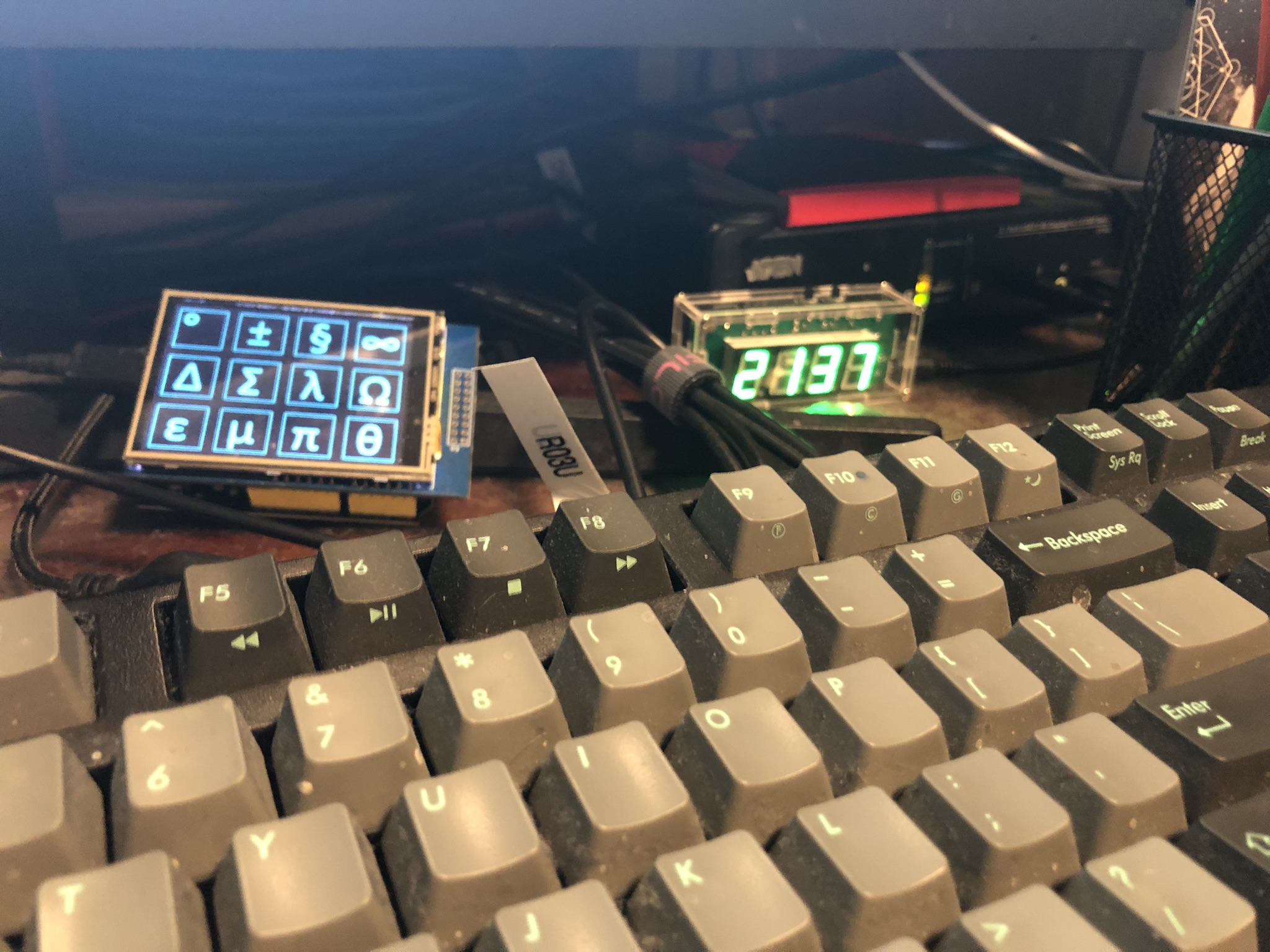
Here’s a photo of the completed project installed next to the symbol keyboard on my desk:
Thanks very much for watching! And please remember to hit like and subscribe! :)
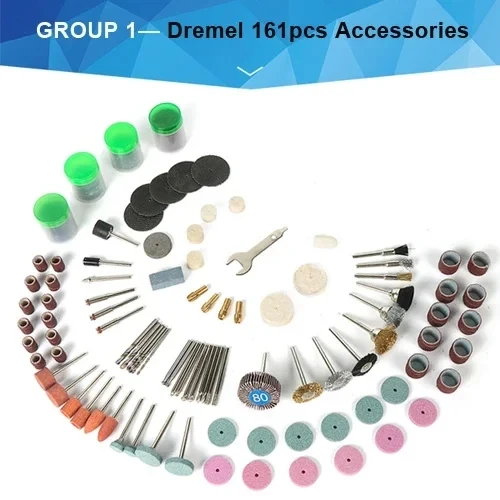
Following is a product I use picked at random from my collection which may appear in my videos. Clicking through on this to find and click on the green affiliate links before purchasing from eBay or AliExpress is a great way to support the channel at no cost to you. Thanks!
Thanks very much for watching! And please remember to hit like and subscribe! :)
Following is a product I use picked at random from my collection which may appear in my videos. Clicking through on this to find and click on the green affiliate links before purchasing from eBay or AliExpress is a great way to support the channel at no cost to you. Thanks!
In this video we make a cable to connect a 6V battery pack with a 9V adapter to a USB Type-A female socket, which we can then use to connect a USB Type-A male through Type-B micro for powering my microcontroller.
Thanks very much for watching! And please remember to hit like and subscribe! :)
Following is a product I use picked at random from my collection which may appear in my videos. Clicking through on this to find and click on the green affiliate links before purchasing from eBay or AliExpress is a great way to support the channel at no cost to you. Thanks!
I mention that I am reading AVR Programming: Get Under the Hood of the AVR Microcontroller Family which is written by Elliot Williams who is Editor in Chief over at Hackaday. The big thing I am hoping to learn from this book is how to generate tones, but I haven’t read that part of it yet!
The old book teardown which I have been working on is for Electric Circuits.
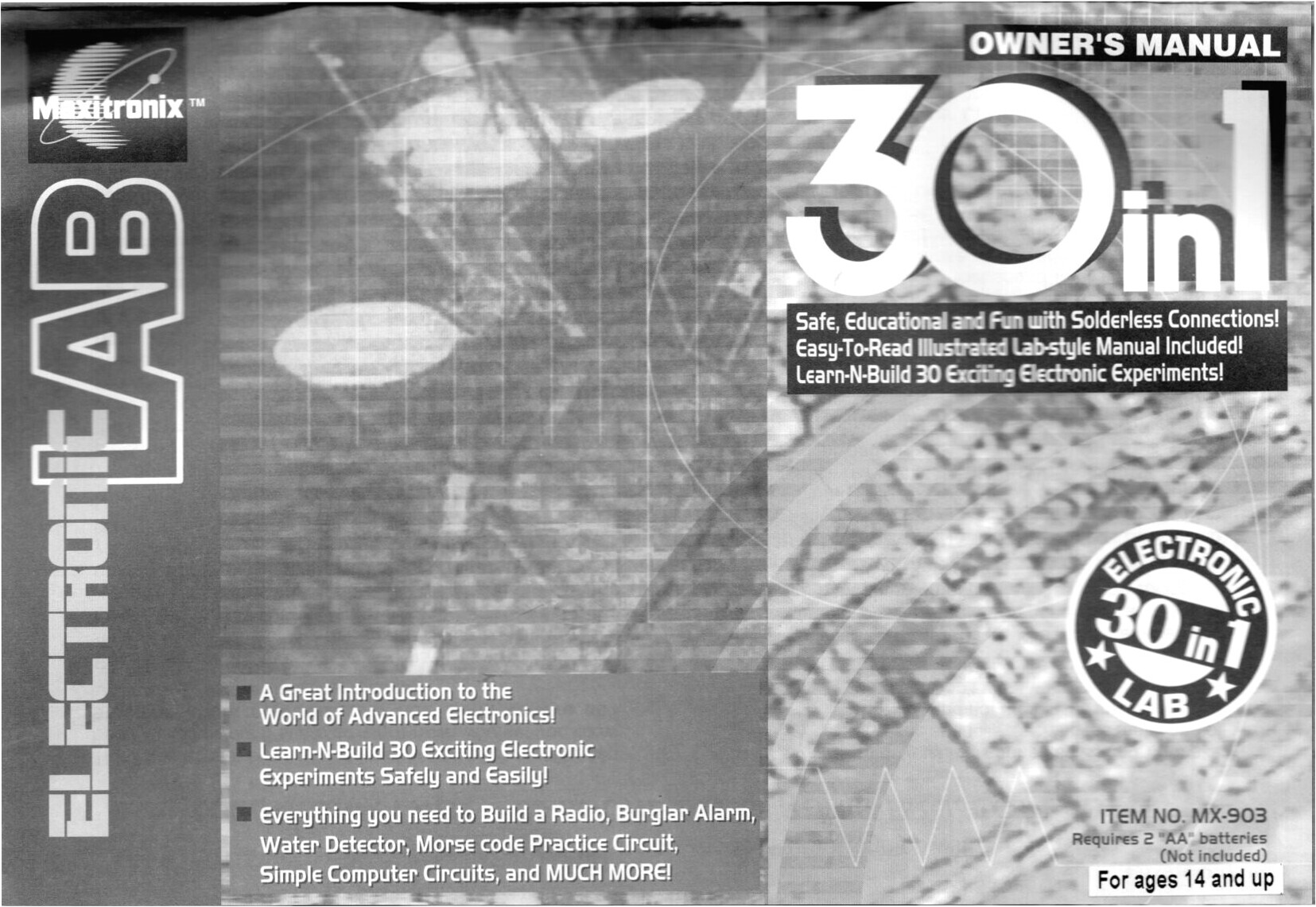
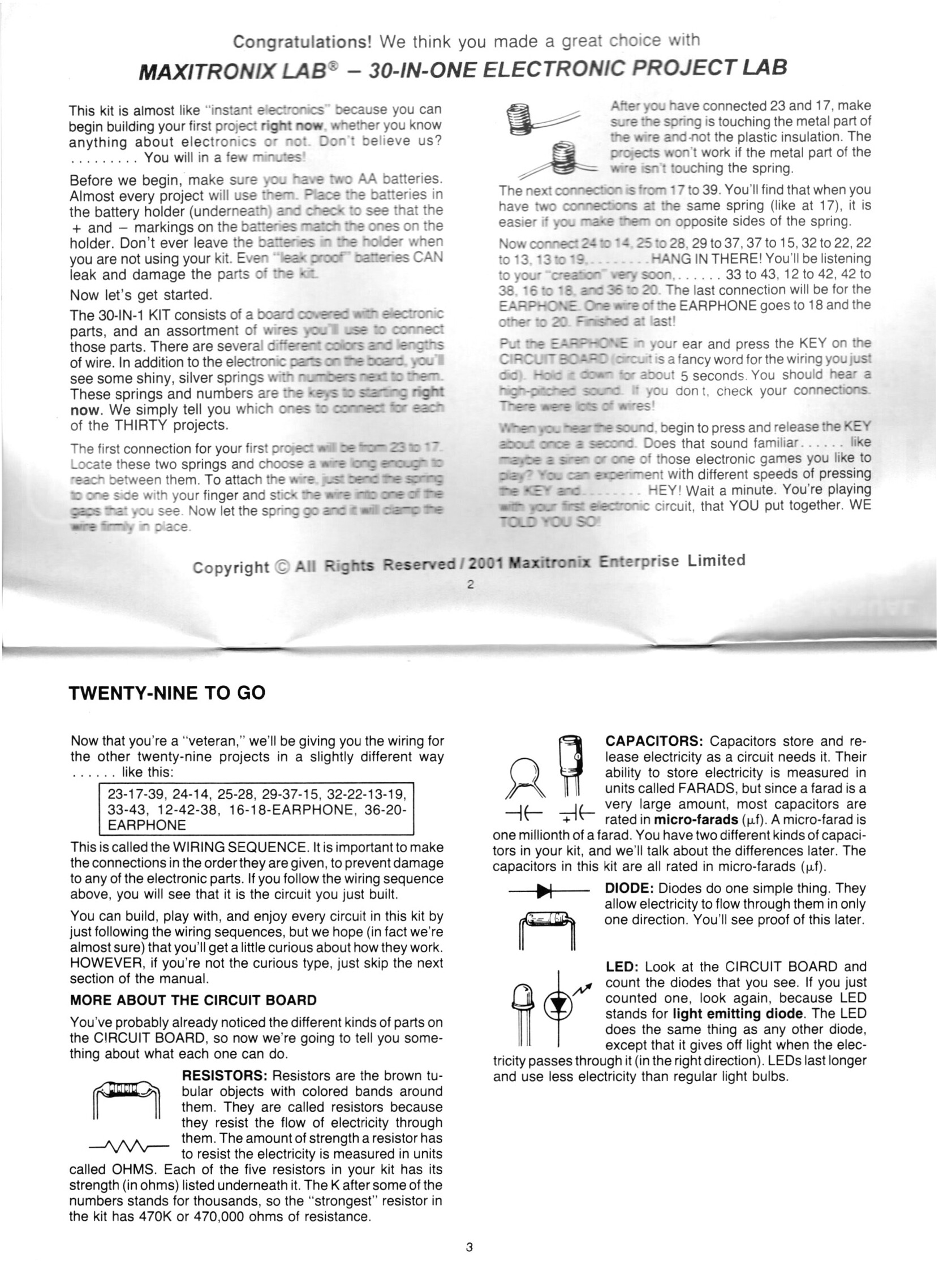
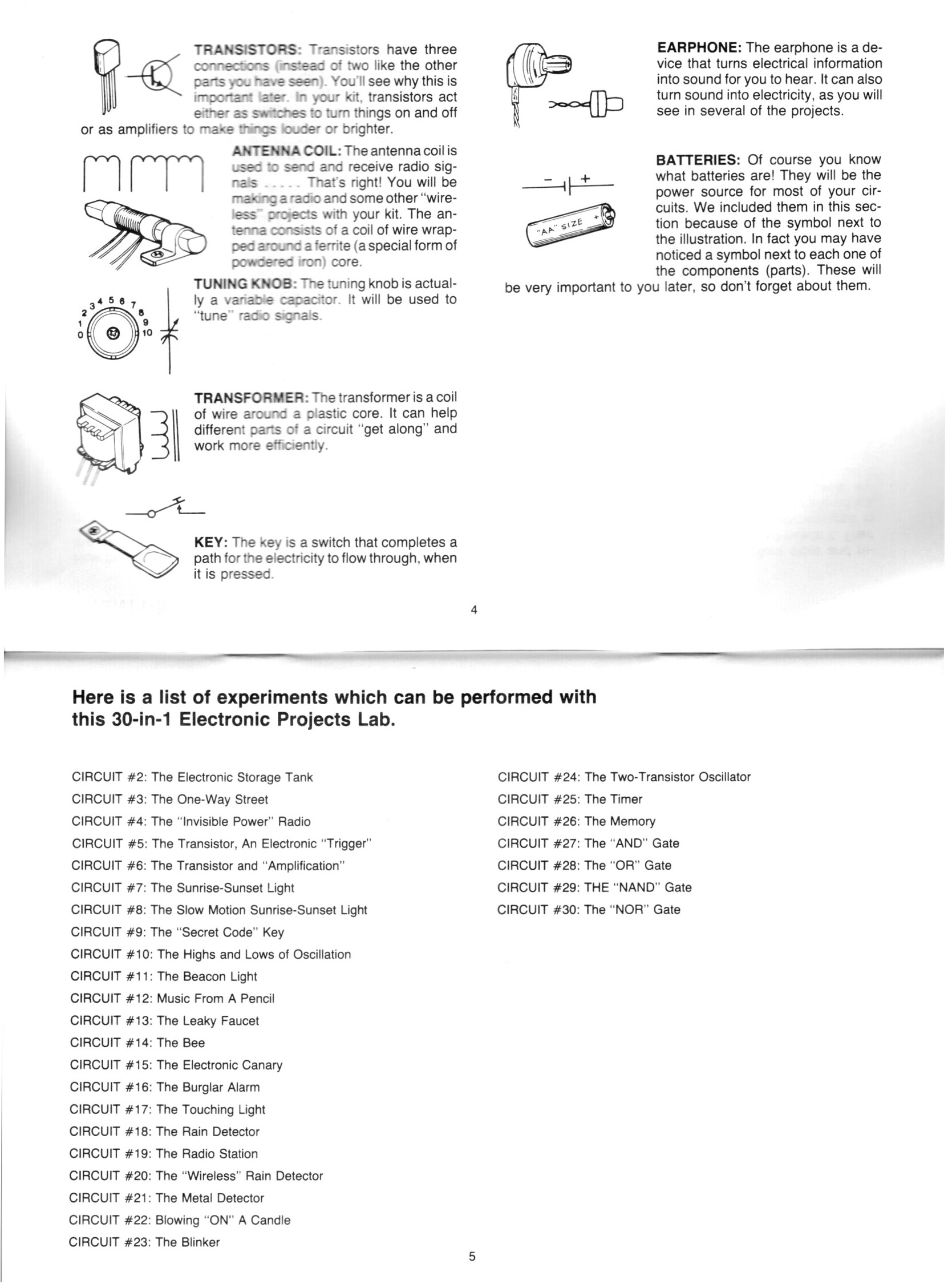
I have done the introduction for the Maxitronix 30in1: Introducing Maxitronix 30in1 | Maxitronix 30in1 | Learning Electronics In The Lab With Jay Jay but I haven’t done the first project yet. The thing that is tripping me up is making a decision about whether I am going to start doing the LTSpice simulations in the 30in1 videos or if I’m going to put that off until we start our next Maxitronix kit… I will have to make a decision about that soon.
I am working on Jaycar and Silicon Chip Mini Project number JMP003. But I’m stuck debugging it. I hope to catch up with that soon. I have heaps of Mini Projects to do, I am embarrassingly far behind.
I have recorded the introduction for the Learning the Art of Electronics project that we’re just about to kick off: Introducing Learning the Art of Electronics | Learning Electronics In The Lab With Jay Jay but I’m still waiting for the 2nd edition of the book to turn up. Fingers crossed it gets here in the next couple of days otherwise I will need to start on this project using the 1st edition of the book.
There’s a bunch of stuff here that has arrived in the mail so you can expect to see a mail call video covering that stuff soon as well.
Thanks very much for watching! And please remember to hit like and subscribe! :)
Following is a product I use picked at random from my collection which may appear in my videos. Clicking through on this to find and click on the green affiliate links before purchasing from eBay or AliExpress is a great way to support the channel at no cost to you. Thanks!
In this video we introduce a new feature of the show. In these segments we will be working through Learning the Art of Electronics.
We will be doing a total of 27 videos for this feature. 25 labs, this introduction, and a conclusion. Videos will come out on the first Tuesday of every month (hopefully!).
Also a shout out to my mate over on Learning as a hobby for encouraging me to undertake this project.
Thanks very much for watching! And please remember to hit like and subscribe! :)
Following is a product I use picked at random from my collection which may appear in my videos. Clicking through on this to find and click on the green affiliate links before purchasing from eBay or AliExpress is a great way to support the channel at no cost to you. Thanks!
Thanks very much for watching! And please remember to hit like and subscribe! :)
Following is a product I use picked at random from my collection which may appear in my videos. Clicking through on this to find and click on the green affiliate links before purchasing from eBay or AliExpress is a great way to support the channel at no cost to you. Thanks!
Thanks very much for watching! And please remember to hit like and subscribe! :)
Following is a product I use picked at random from my collection which may appear in my videos. Clicking through on this to find and click on the green affiliate links before purchasing from eBay or AliExpress is a great way to support the channel at no cost to you. Thanks!

 notes
notes