Today I learned about the Adafruit SHARP Memory Display. Looks like an interesting bit of kit. Don’t have one yet, but maybe one day.
Adafruit SHARP Memory Display
Reply

Today I learned about the Adafruit SHARP Memory Display. Looks like an interesting bit of kit. Don’t have one yet, but maybe one day.
You can support this channel: patreon.com/JohnElliotV
This post is part of my video blog and you can find more information about this video.
Silly Job Title: Surge Sage. I am the Surge Sage!
In this video we continue working through Learning the Art of Electronics. Today we build a differentiator with a resistor and capacitor and test it with a square wave and a sine wave.
We use the Rigol MSO5074 Mixed Signal Oscilloscope to investigate our signals and to generate our input waveforms.
We use the Multicomp Pro MP701033 Resistor Decade Box as our variable resistor.
We use the Kaisi S-160 45x30cm Repair Mat as our workspace.
Thanks very much for watching! And please remember to hit like and subscribe! :)
Following is a product I use picked at random from my collection which may appear in my videos. Clicking through on this to find and click on the green affiliate links before purchasing from eBay or AliExpress is a great way to support the channel at no cost to you. Thanks!
Sharp EL-546L Scientific Calculator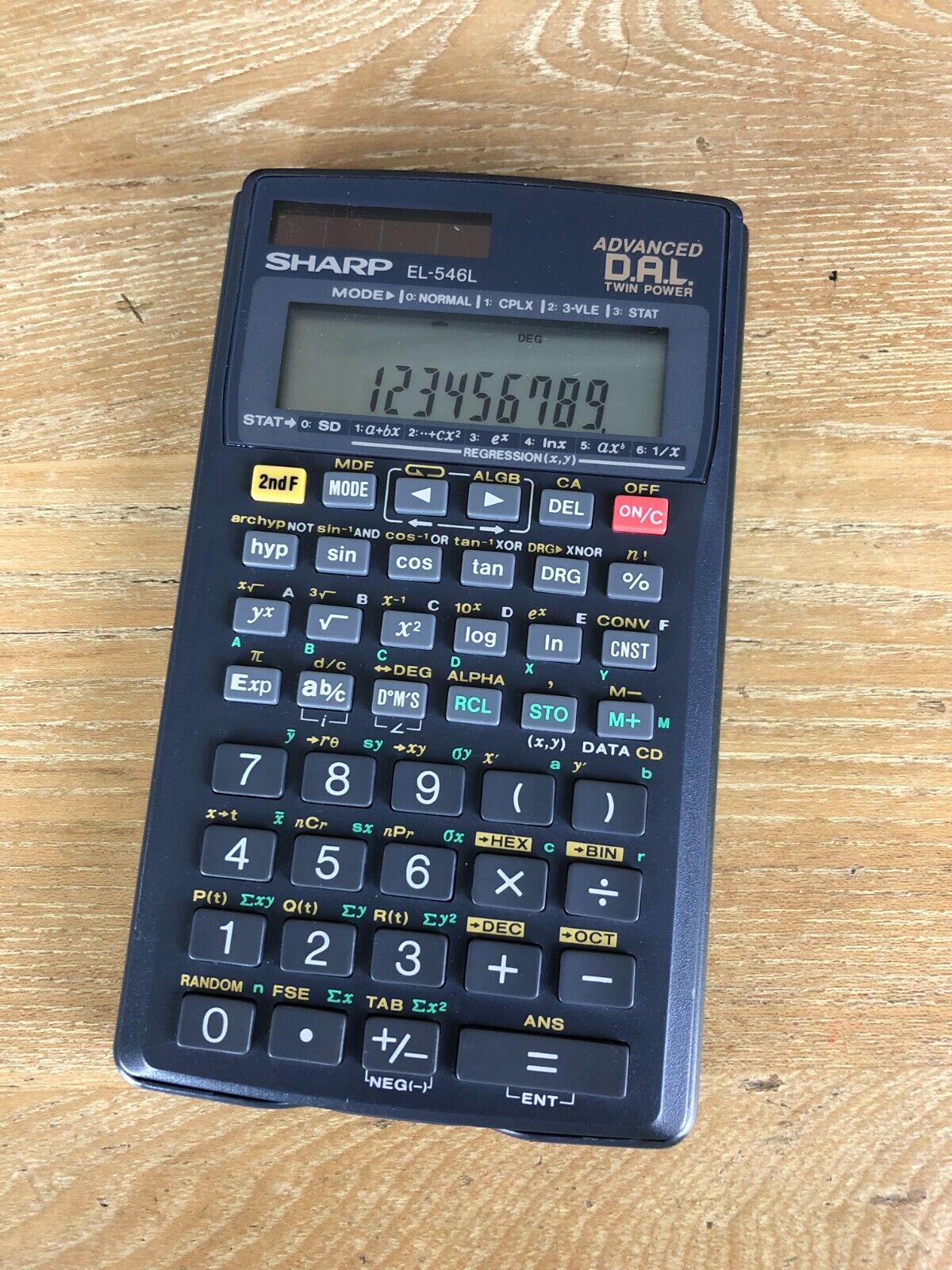 notes notes |
Let’s go shopping!
Today on Lobsters: A faster way to convert a timestamp ➜ Hour, Min, Sec.
You can support this channel: patreon.com/JohnElliotV
This post is part of my video blog and you can find more information about this video.
Silly Job Title: Buzz Boss. I am the Buzz Boss!
In this video we take a look at what has arrived in the mail from AliExpress, Amazon, and DirtyPCBs.com.
Thanks very much for watching! And please remember to hit like and subscribe! :)
p.s. today I added DirtyPCBs, SPI, EEPROM, Cardputer, GPIO, LoRa, Meshtastic, NAND, and AVR to my spell check.
Following is a product I use picked at random from my collection which may appear in my videos. Clicking through on this to find and click on the green affiliate links before purchasing from eBay or AliExpress is a great way to support the channel at no cost to you. Thanks!
Wozniak Solder Lugs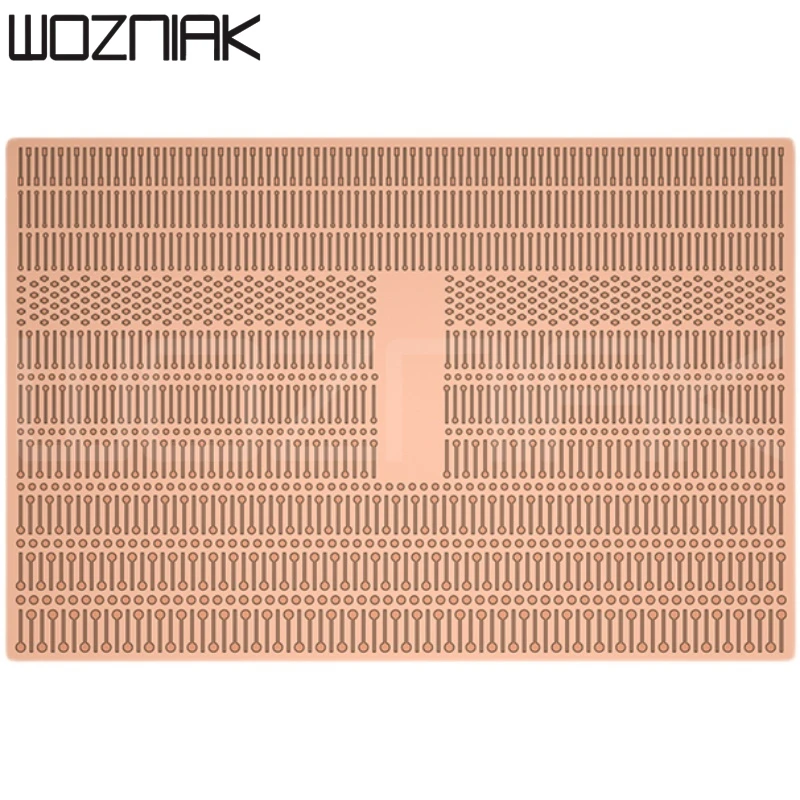 notes notes |
Let’s go shopping!
You can support this channel: patreon.com/JohnElliotV
This post is part of my video blog and you can find more information about this video.
Silly Job Title: Lightning Tamer. I am the Lightning Tamer!
In this video we unbox the FNIRSI HRM-10 Internal Resistance Tester.
Thanks very much for watching! And please remember to hit like and subscribe! :)
Following is a product I use picked at random from my collection which may appear in my videos. Clicking through on this to find and click on the green affiliate links before purchasing from eBay or AliExpress is a great way to support the channel at no cost to you. Thanks!
FNIRSI FNB58 Type-C USB Cable Tester |
Let’s go shopping!
You can support this channel: patreon.com/JohnElliotV
This post is part of my video blog and you can find more information about this video.
Silly Job Title: Switch Switcher. I am the Switch Switcher!
In this video we do the 19th project from the Maxitronix 30in1 Electronics Project Lab Kit: The Radio Station.
We use the LiteVNA 64 Vector Network Analyzer to measure reactance and resistance of our antenna coil.
We use the Rigol MSO5074 Mixed Signal Oscilloscope to investigate our signal.
We use the METCAL PS-900 Soldering Station to make our cable fixture.
We use the AiXun H314 Hot Air Gun to shrink our heat shrink.
We use the MUIN Solder Fume Extractor to clear the air.
We use the Riden RD6006 Bench Power Supply to provide power.
We use the EEVblog BM2257 Digital Multimeter to measure resistance and check continuity.
We use the Peak Electronic Design Atlas LCR45 LCR Meter to measure capacitance.
We use the Hakko CHP 3C-SA Precision Tweezers for tweezering.
We use the Plato Model 170 Wire Cutter to cut, cut, cut.
We use the Kaisi S-160 45x30cm Repair Mat as our workspace.
Thanks very much for watching! And please remember to hit like and subscribe! :)
Following is a product I use picked at random from my collection which may appear in my videos. Clicking through on this to find and click on the green affiliate links before purchasing from eBay or AliExpress is a great way to support the channel at no cost to you. Thanks!
Yum Cha Heavy Duty Stainless Steel Wire Brush notes notes |
Let’s go shopping!
You can support this channel: patreon.com/JohnElliotV
This post is part of my video blog and you can find more information about this video.
Silly Job Title: Solder Soldier. I am the Solder Soldier!
In this video we have a look at what’s in The Art of Electronics: The x-Chapters 2nd Edition by Paul Horowitz and Winfield Hill. The book’s website is here: https://x.artofelectronics.net/
In the same family of books are The Art of Electronics 3rd Edition also by Paul Horowitz and Winfield Hill and Learning the Art of Electronics: A Hands-On Lab Course 2nd Edition by Thomas C. Hayes, David Abrams, and Paul Horowitz.
There were a few things that came up as we flipped through this venerable tome:
Thanks very much for watching! And please remember to hit like and subscribe! :)
p.s. today I added Electro-Optical to my spell check.
Following is a product I use picked at random from my collection which may appear in my videos. Clicking through on this to find and click on the green affiliate links before purchasing from eBay or AliExpress is a great way to support the channel at no cost to you. Thanks!
14500pa Cordless Hand Held Vacuum |
Let’s go shopping!