Thanks very much for watching! And please remember to hit like and subscribe! :)
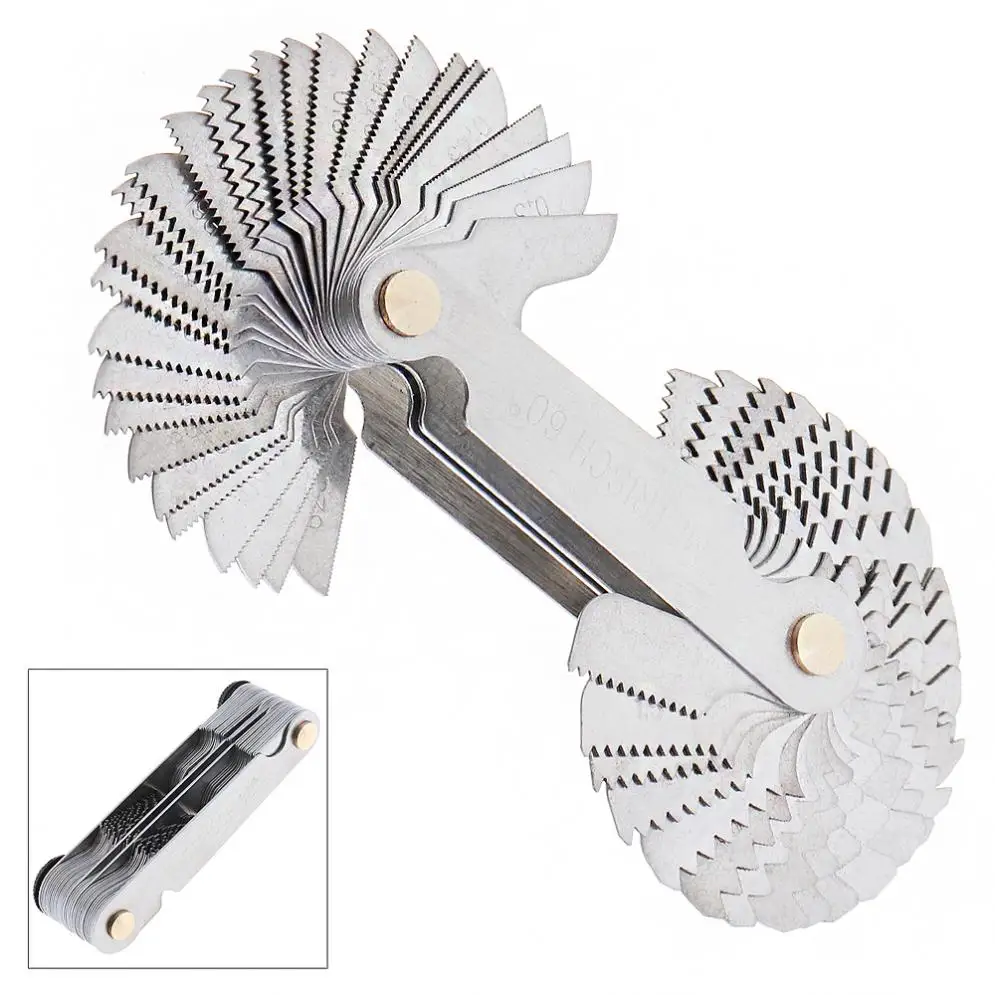
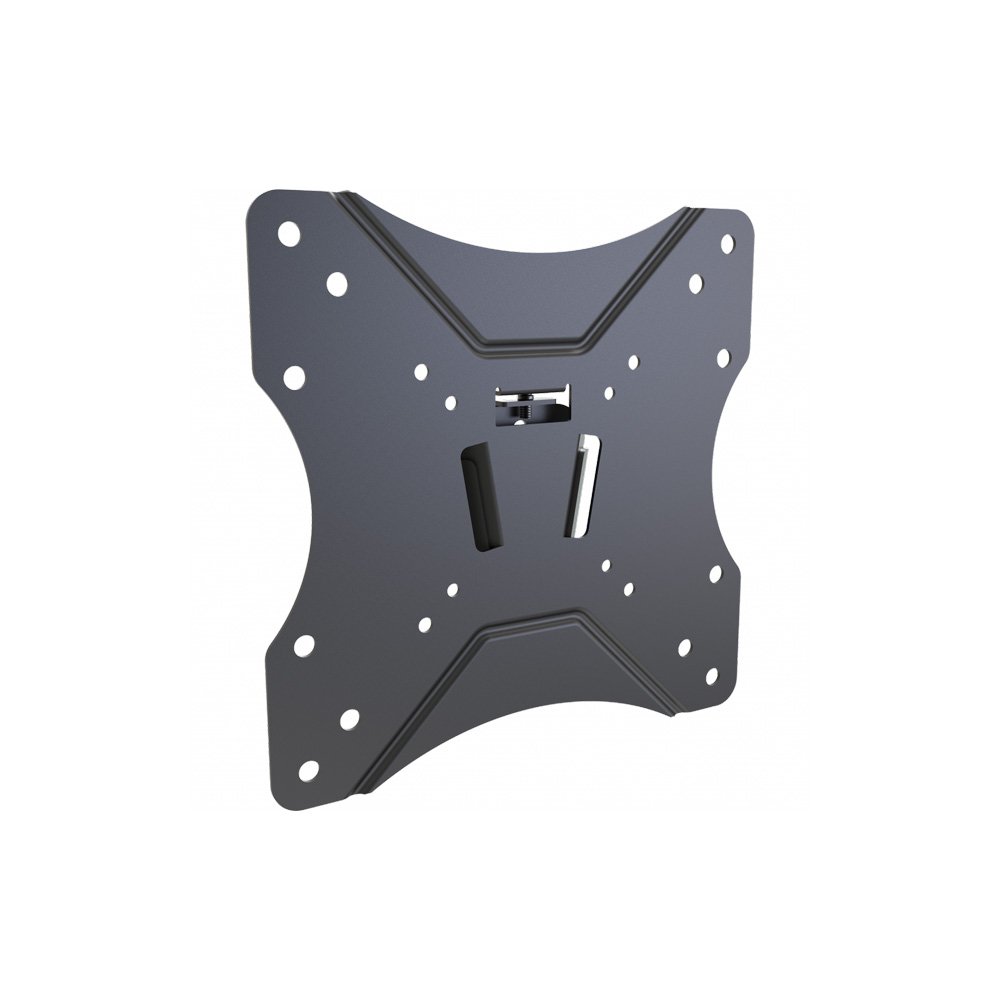
Following is a product I use picked at random from my collection which may appear in my videos. Clicking through on this to find and click on the green affiliate links before purchasing from eBay or AliExpress is a great way to support the channel at no cost to you. Thanks!
Over on the EEVblog forum I ask What’s special about the frequency 14.9254 kHz? The answer seems to be that this is 1/67th of 1 MHz, which is probably as precise as the microcontroller they’re using can go.
Thanks very much for watching! And please remember to hit like and subscribe! :)
Following is a product I use picked at random from my collection which may appear in my videos. Clicking through on this to find and click on the green affiliate links before purchasing from eBay or AliExpress is a great way to support the channel at no cost to you. Thanks!
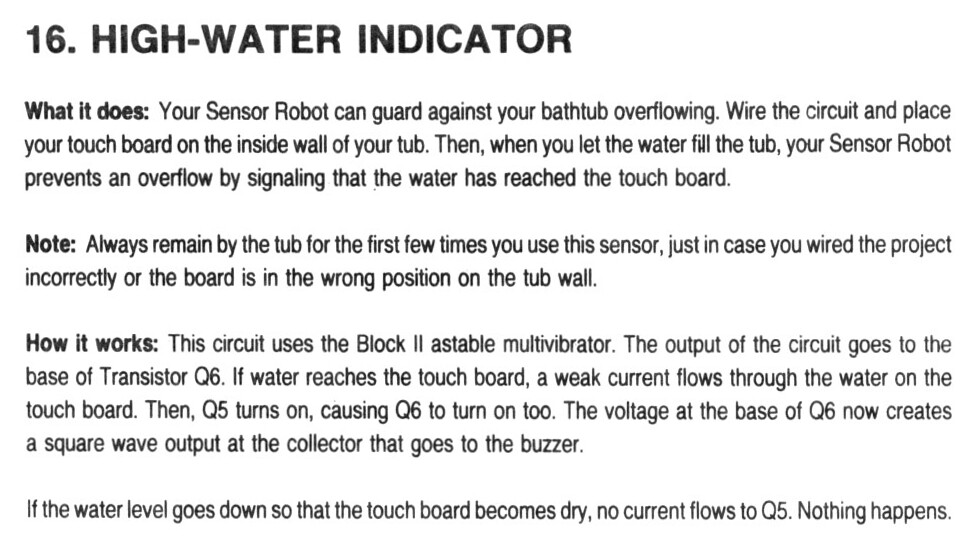
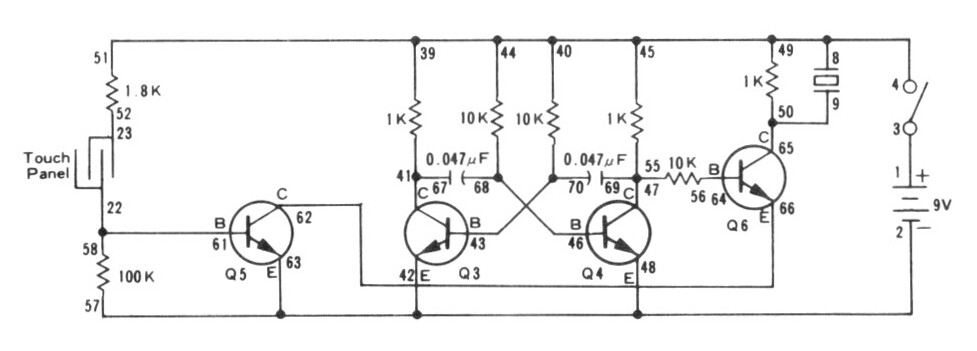
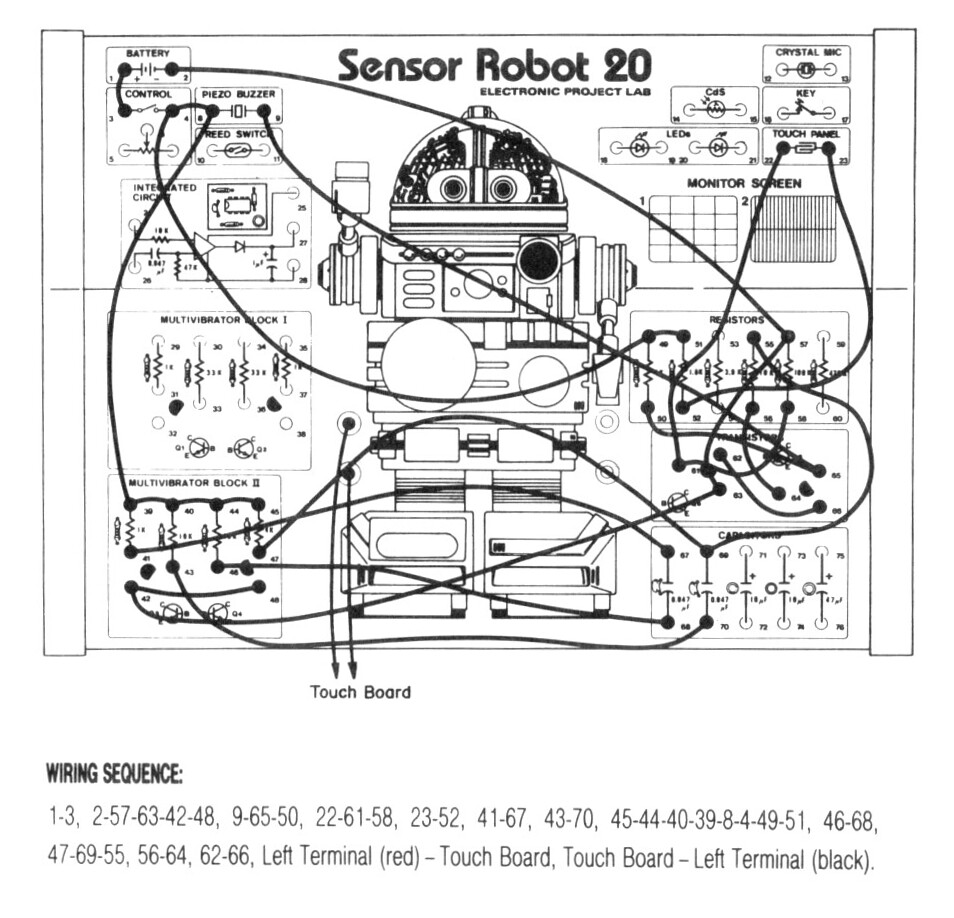
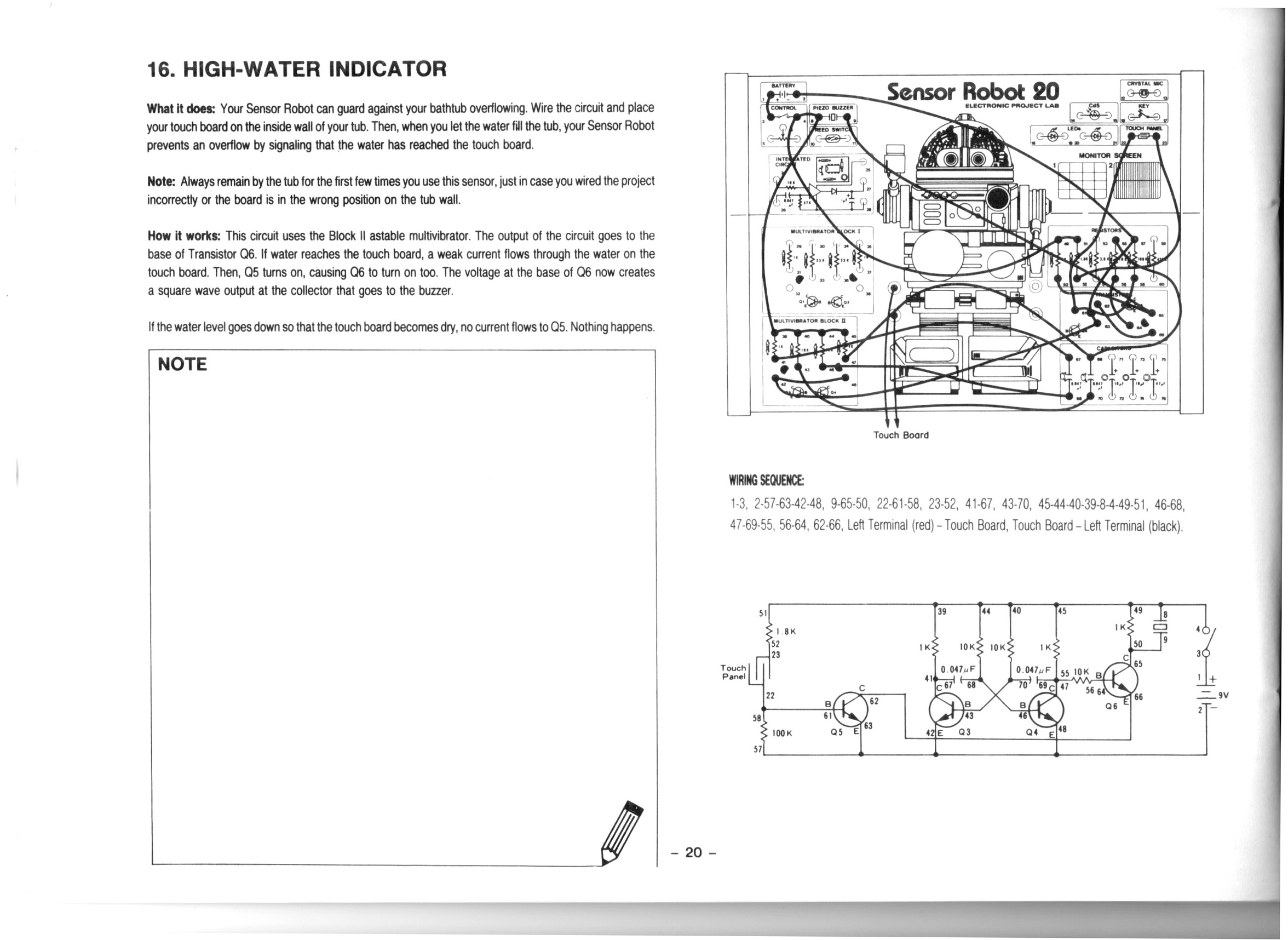
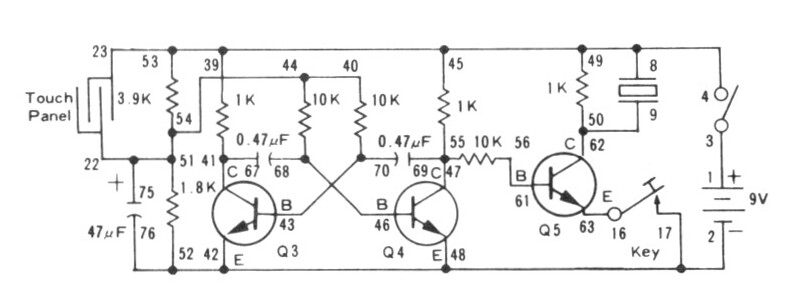
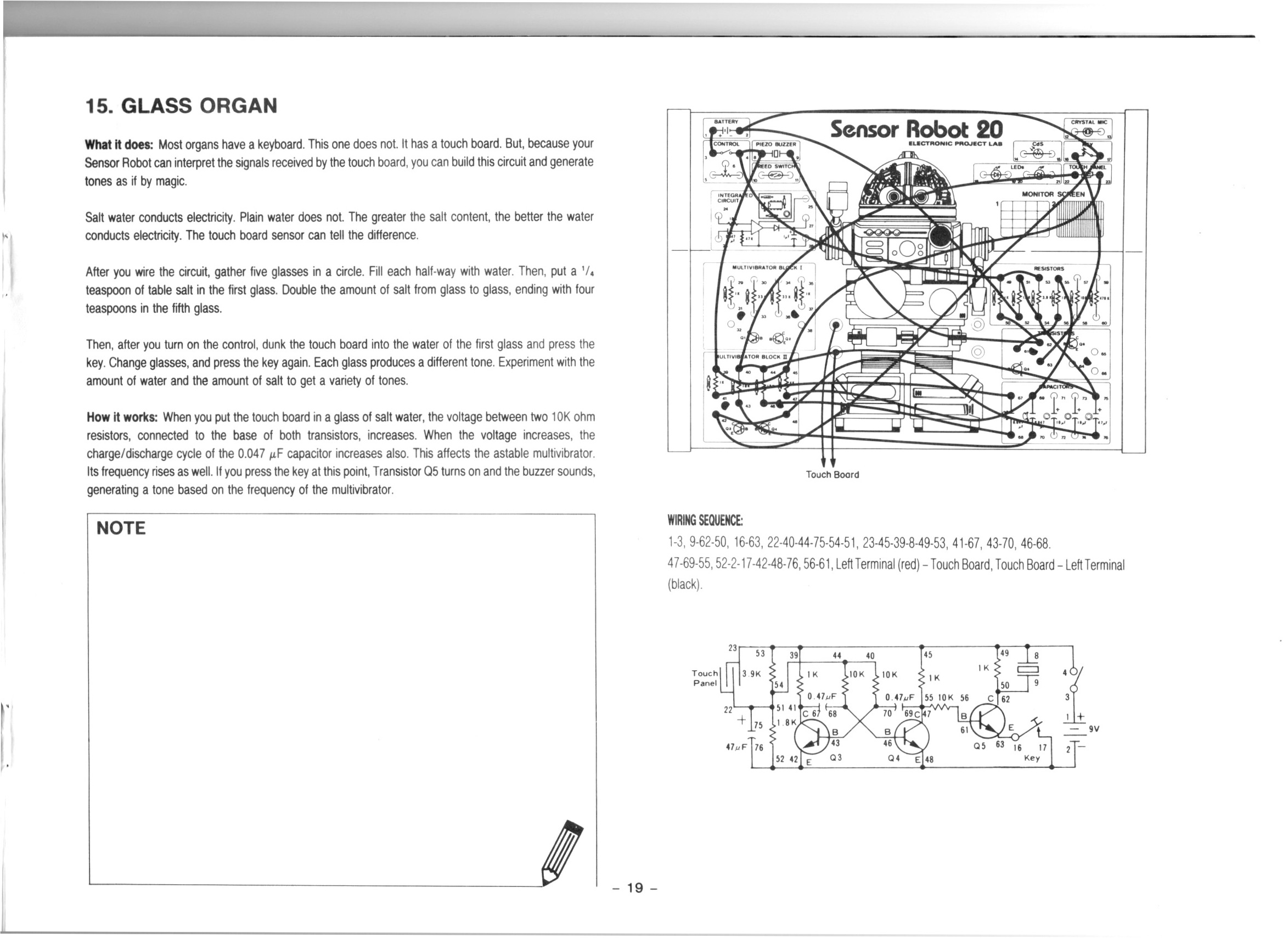
We had some trouble getting this circuit to work. It turned out that the instructions omitted one necessary wire. After we added that the circuit worked.
The salty water and the clean water didn’t have hugely different effects. It was hard to get a resistance reading because the resistances seemed to just continually increase. In the end I didn’t really understand that.
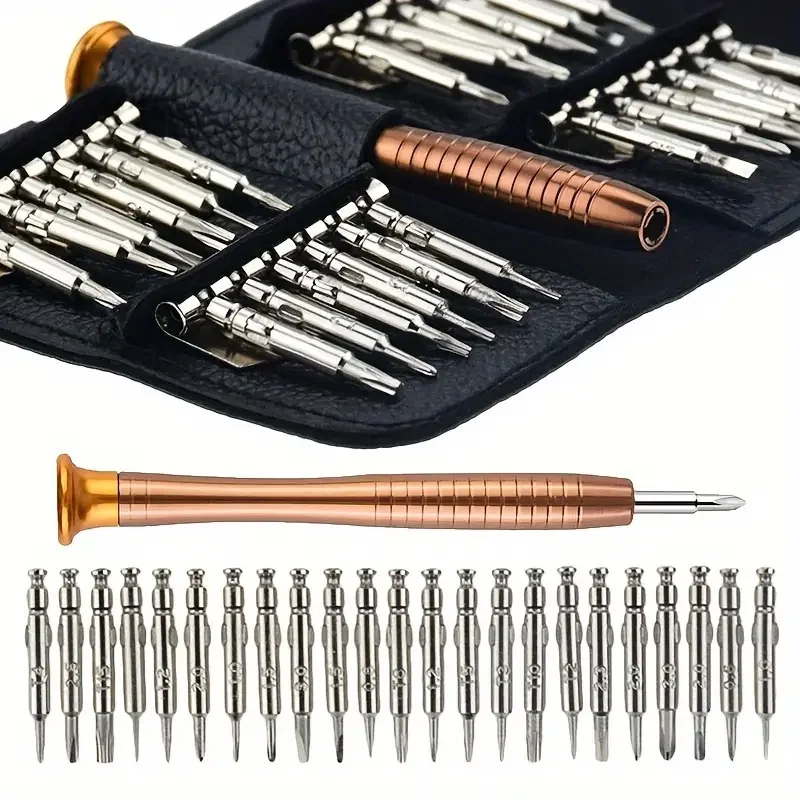
The products I purchase from AliExpress in the video are these:
We used the METCAL PS-900 Soldering Station to solder some jumpers onto a 10K potentiometer which we use to alter the frequency of the astable multivibrator.
We used the UNI-T UTi260B Thermal Imager to inspect the heat profile of the circuit. We see the resistors in the astable multivibrator get warm, along with other components.
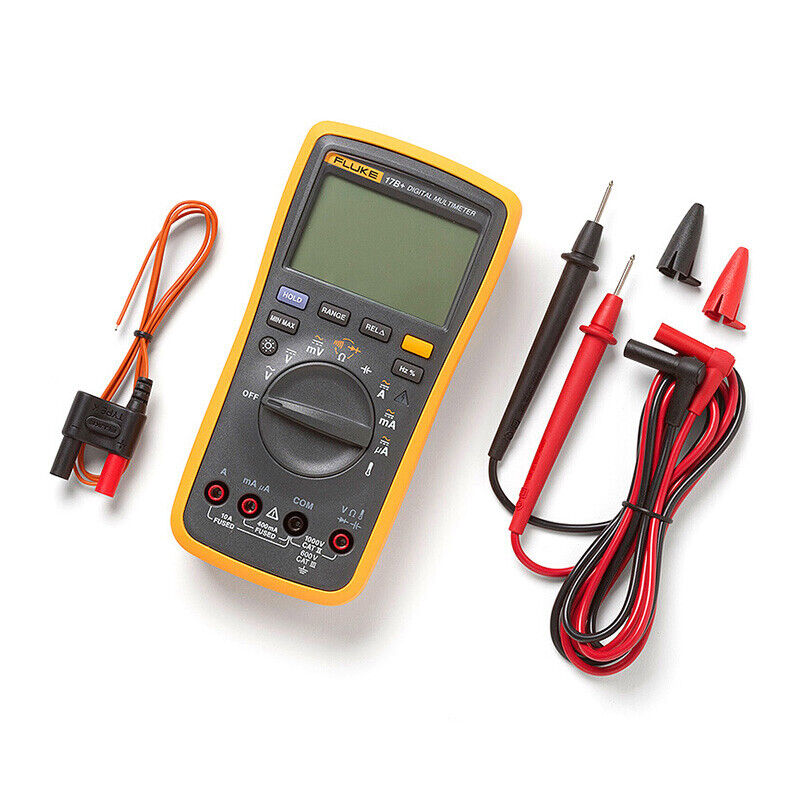
We used the Fluke 17B+ Digital Multimeter to continuity test our point to point links, to test various resistances, to check for capacitance (there was none), and to measure the current draw. It was interesting to see the current draw increase with frequency.
The Goo & Adhesive Remover product I recommend is Goo Gone.
The cheap but excellent wire cutters I mention are these. I got a five pack for ten bucks.
Thanks very much for watching! And please remember to hit like and subscribe! :)
Following is a product I use picked at random from my collection which may appear in my videos. Clicking through on this to find and click on the green affiliate links before purchasing from eBay or AliExpress is a great way to support the channel at no cost to you. Thanks!
Thanks very much for watching! And please remember to hit like and subscribe! :)
Following is a product I use picked at random from my collection which may appear in my videos. Clicking through on this to find and click on the green affiliate links before purchasing from eBay or AliExpress is a great way to support the channel at no cost to you. Thanks!
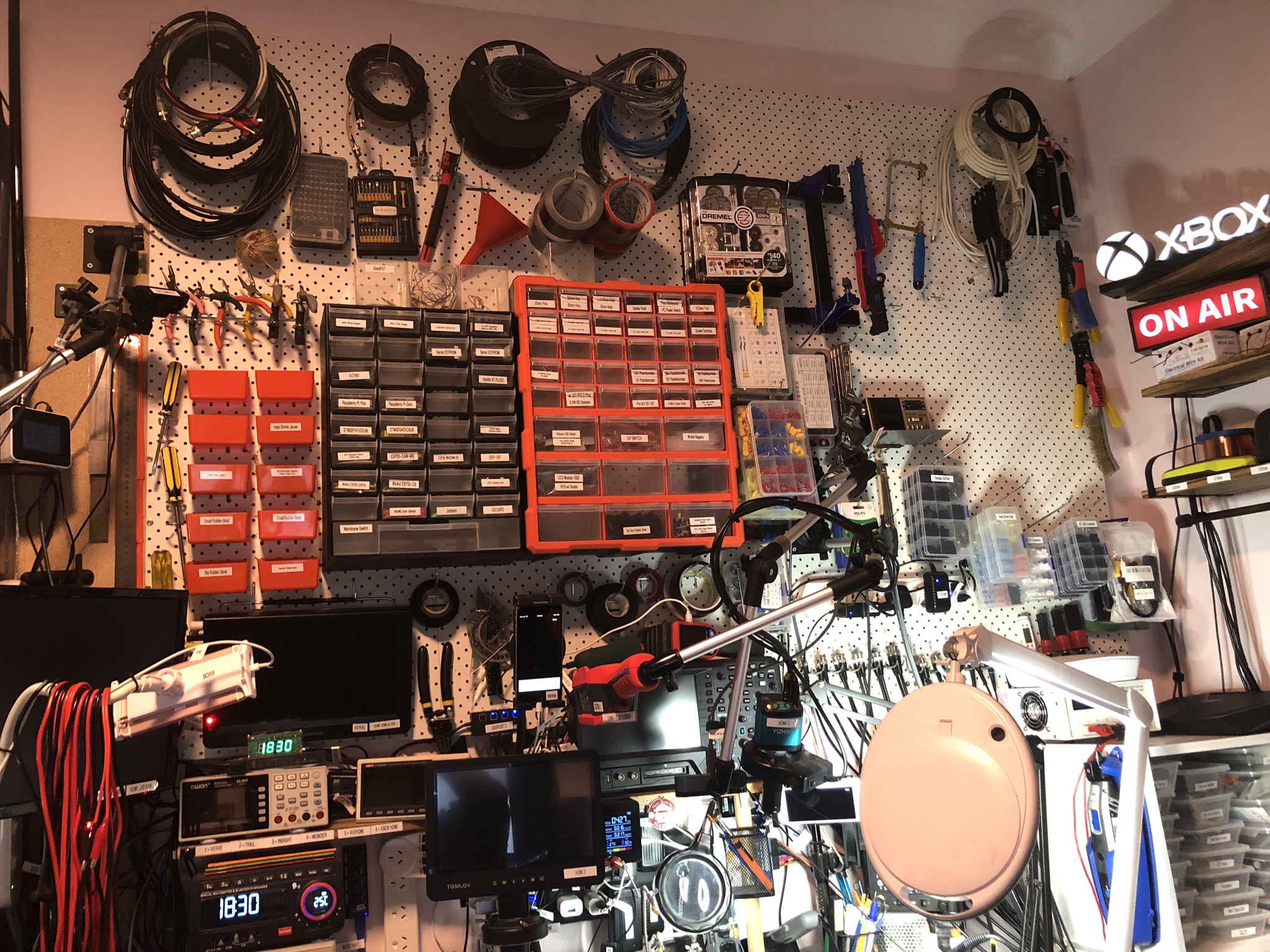
While I wait you can see in the bottom photo the bunch of tools without a home. In the pictures below I have circled in red the four mesh holders I have recently installed. They’re black on black so hard to see, sorry about that.
The two on the left are clipped on with zip ties. The other two are screwed in, one screwed into the second drawer and the other to some load bearing dowel I also installed today.
I’m a bit paranoid about the shelf my oscilloscope is installed in will come away from the wall, so I have buttressed it with a dowel I had them cut to size for me today at the shop (307mm, exactly).
In this video we demo the ANENG A3005 Pen Type Handheld Multimeter. This pen-type multimeter can do voltage, resistance, continuity, and diode testing, among other functions. It’s a 4000 count device, meaning it can display about three and a half significant digits, for instance values such as 3,999 or 3.999 or 0.001.
Thanks very much for watching! And please remember to hit like and subscribe! :)
Following is a product I use picked at random from my collection which may appear in my videos. Clicking through on this to find and click on the green affiliate links before purchasing from eBay or AliExpress is a great way to support the channel at no cost to you. Thanks!
We use the UNI-T UTi260B Thermal Imager to monitor the heat generated by various components. We learn that the resistors emit a lot of heat.
We use the Fluke 17B+ Digital Multimeter to measure the current drawn by the circuits in both the on and off state. The current was 15mA when the LEDs were on and zero amps when they were off.
We use the Riden RD6006 Bench Power Supply to provide 9V for our circuit. The power supply reported the current draw as 13mA which was slightly less than reported by the multimeter.
Thanks very much for watching! And please remember to hit like and subscribe! :)
Following is a product I use picked at random from my collection which may appear in my videos. Clicking through on this to find and click on the green affiliate links before purchasing from eBay or AliExpress is a great way to support the channel at no cost to you. Thanks!
Thanks very much for watching! And please remember to hit like and subscribe! :)
Following is a product I use picked at random from my collection which may appear in my videos. Clicking through on this to find and click on the green affiliate links before purchasing from eBay or AliExpress is a great way to support the channel at no cost to you. Thanks!
Thanks very much for watching! And please remember to hit like and subscribe! :)
Following is a product I use picked at random from my collection which may appear in my videos. Clicking through on this to find and click on the green affiliate links before purchasing from eBay or AliExpress is a great way to support the channel at no cost to you. Thanks!